

Each Conjuring movie feels different on the surface, yet something familiar always lingers beneath the scares. Certain story turns repeat with surprising consistency, and spotting shared elements reveals why the tension works so reliably.
Few American entertainers have remained as instantly recognizable as Marilyn Monroe, and the circumstances surrounding her final hours have been examined repeatedly for more than sixty years. Official investigations produced a clear ruling, yet certain medical details recorded at the time still draw attention. One specific detail from the autopsy report has often been misunderstood or taken out of context, leading to speculation that continues today. Many discussions focus on isolated lines from medical documents without explaining how forensic conclusions are actually formed. To understand why this case still generates debate, it is necessary to look carefully at what investigators documented, how toxicology works, and why visible findings do not always tell the full medical story.
Boomers often assume these references are universal—timeless, obvious, self-explanatory. Millennials hear them and nod politely, the same way you do when someone explains a dream that only mattered to them.
The words sounded theatrical. Dramatic. Almost playful. No one there believed Isadora Duncan was saying goodbye for real—because she wasn’t. But minutes later, she would be dead, killed in one of the most shocking and bizarre accidents of the 20th century.
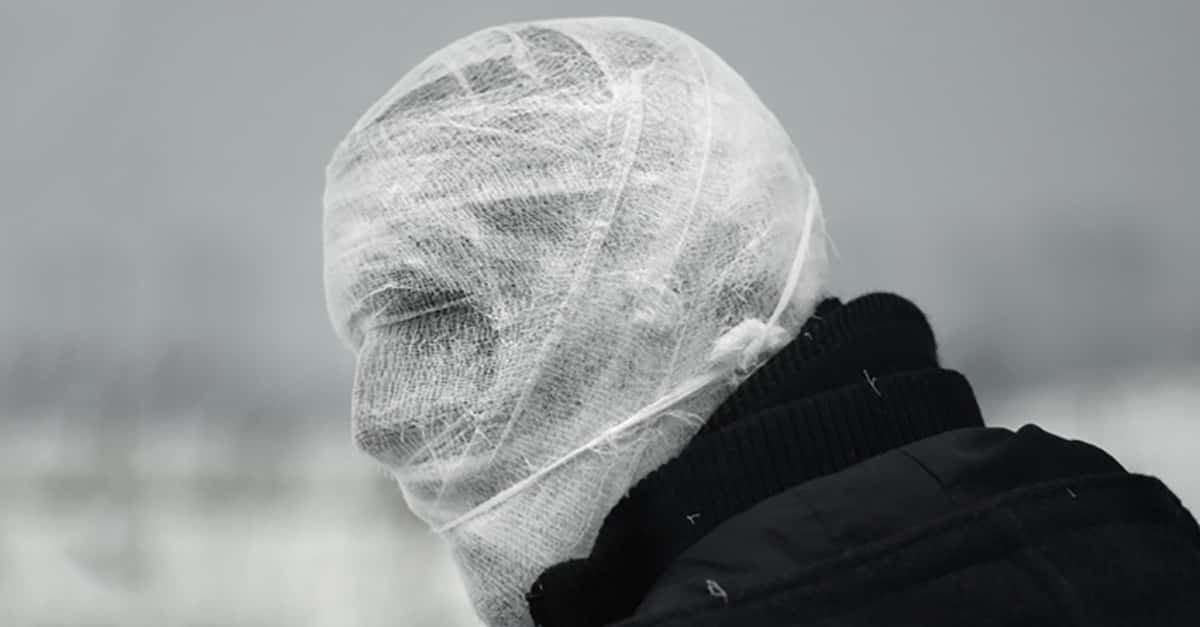
From “Oldboy” to “The Intouchables,” explore 25 times American cinema butchered a beautiful foreign film. Discover how Hollywood remakes and mistranslations stripped these international masterpieces of their soul, subtlety, and cultural meaning.
This quiz isn’t here to coddle you with options. You’ll get a quote (maybe legendary, maybe sneaky), and it’s up to the film nerd in you to prove that you’ve got it.
Each Conjuring movie feels different on the surface, yet something familiar always lingers beneath the scares. Certain story turns repeat with surprising consistency, and spotting shared elements reveals why the tension works so reliably.
Here's looking at you, kid.
— Humphrey Bogart as Rick Blaine in "Casablanca" (1942)
Written by Julius J. Epstein, Philip G. Epstein, and Howard Koch.
Boomers often assume these references are universal—timeless, obvious, self-explanatory. Millennials hear them and nod politely, the same way you do when someone explains a dream that only mattered to them.
Television doesn't owe permanence. A star might headline the posters, but the story may quietly outgrow them. Sometimes, a new voice takes the lead, or the center just blurs.
The words sounded theatrical. Dramatic. Almost playful. No one there believed Isadora Duncan was saying goodbye for real—because she wasn’t. But minutes later, she would be dead, killed in one of the most shocking and bizarre accidents of the 20th century.
Hollywood’s family tree is more intertwined than you’d ever imagine. From distant cousins to unexpected half-siblings, you may be surprised to discover who's related to who.
✕
Want to read more?
If you like humaverse you may also consider subscribing to these newsletters: