The Guys Who Made Tough Look Effortless
These guys were the definition of tough. They smoked on screen, threw punches without CGI, barely smiled, and somehow made every man in America want to walk, talk, and act like them. In the 60s, dads copied their haircuts, their swagger, and even the way they ordered a drink.
Today? Younger dads wouldn’t recognize half these names. Back then, these guys could sell sunglasses just by squinting.
 Silver Screen Collection, Getty Images
Lee Marvin
Lee Marvin didn’t look polished or glamorous, which honestly made him even cooler. With his gravelly voice, scarred face, and intimidating presence, he became one of Hollywood’s ultimate “don’t mess with this guy” actors. He served in the Marines during World War II and brought that hard-edged realism into movies like The Dirty Dozen and Point Blank.
A lot of movie tough guys felt manufactured. Lee Marvin felt real.
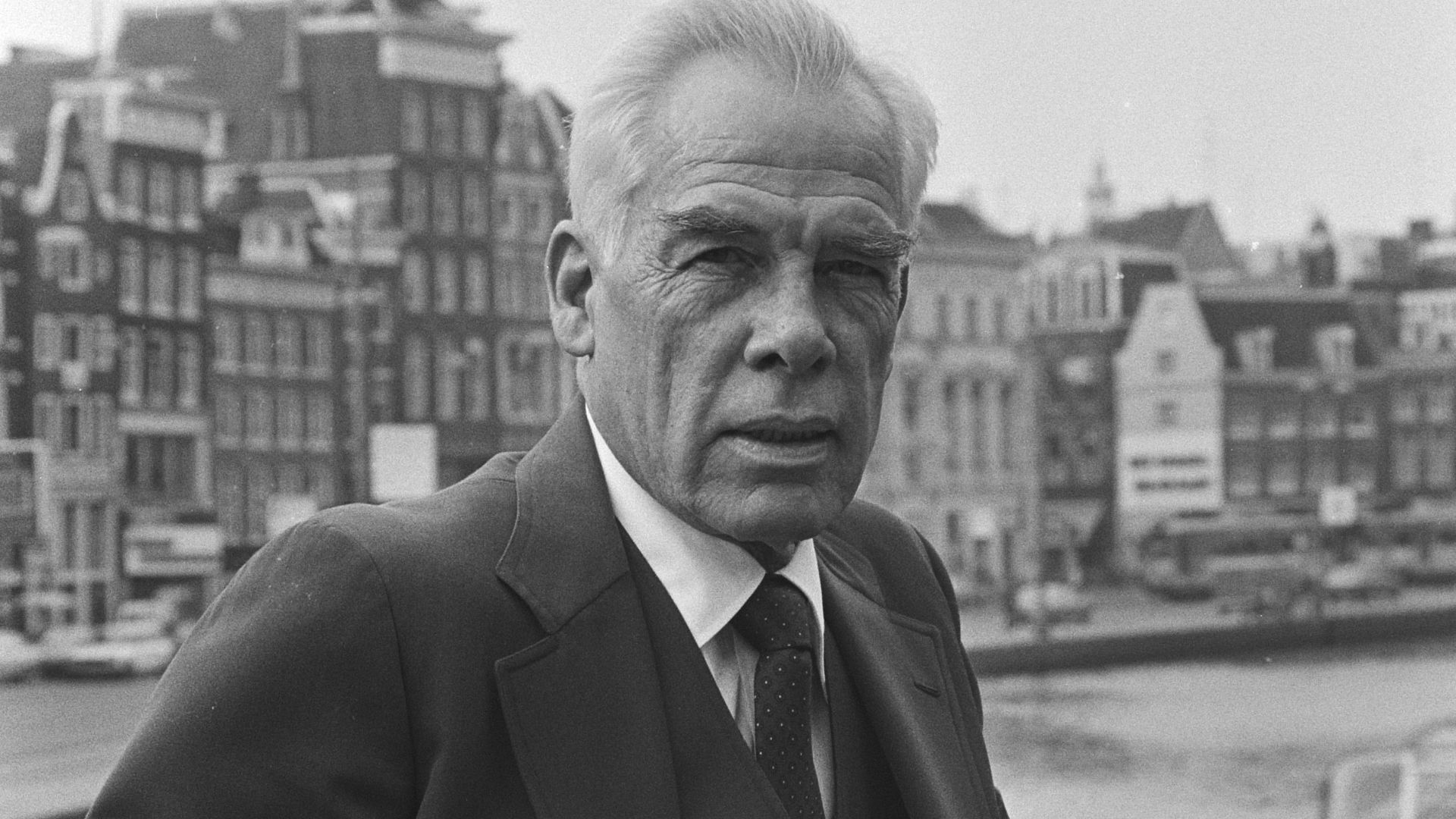 Hans van Dijk for Anefo, Wikimedia Commons
Charles Bronson
Charles Bronson built an entire career out of looking like he could break your nose without raising his voice. His face alone looked like it had survived three wars and a bar fight. By the late 60s, movies like Once Upon a Time in the West turned him into an international tough-guy icon.
Dads absolutely loved Bronson because he never looked scared of anything...ever.
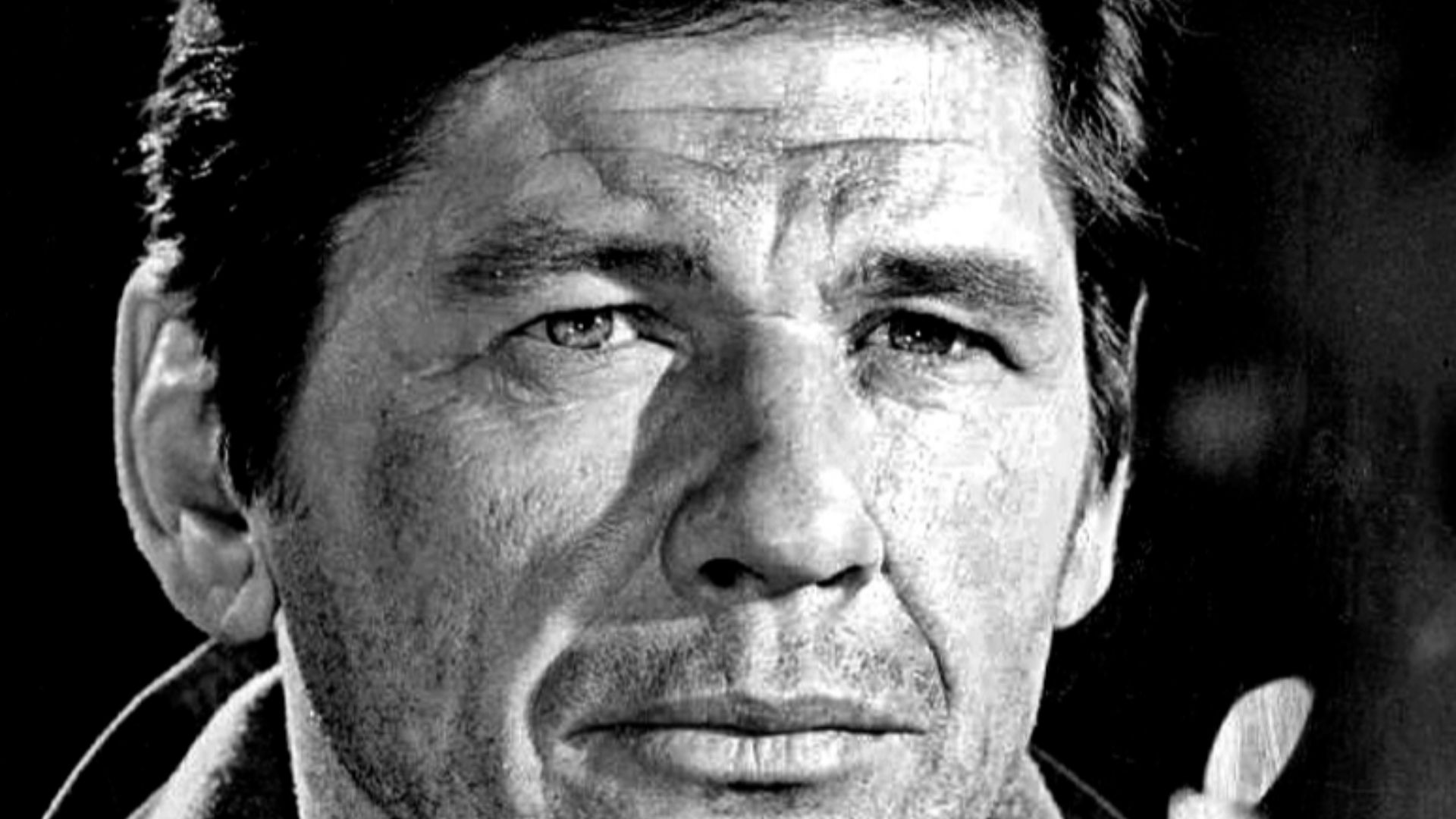 Herald American, Wikimedia Commons
Steve McQueen
Steve McQueen wasn’t just tough. He was cool in a way Hollywood still tries to recreate. Whether he was racing motorcycles, escaping prison camps in The Great Escape, or casually staring down bad guys in Bullitt, McQueen made masculinity look effortless.
A whole generation of dads wanted that confidence.
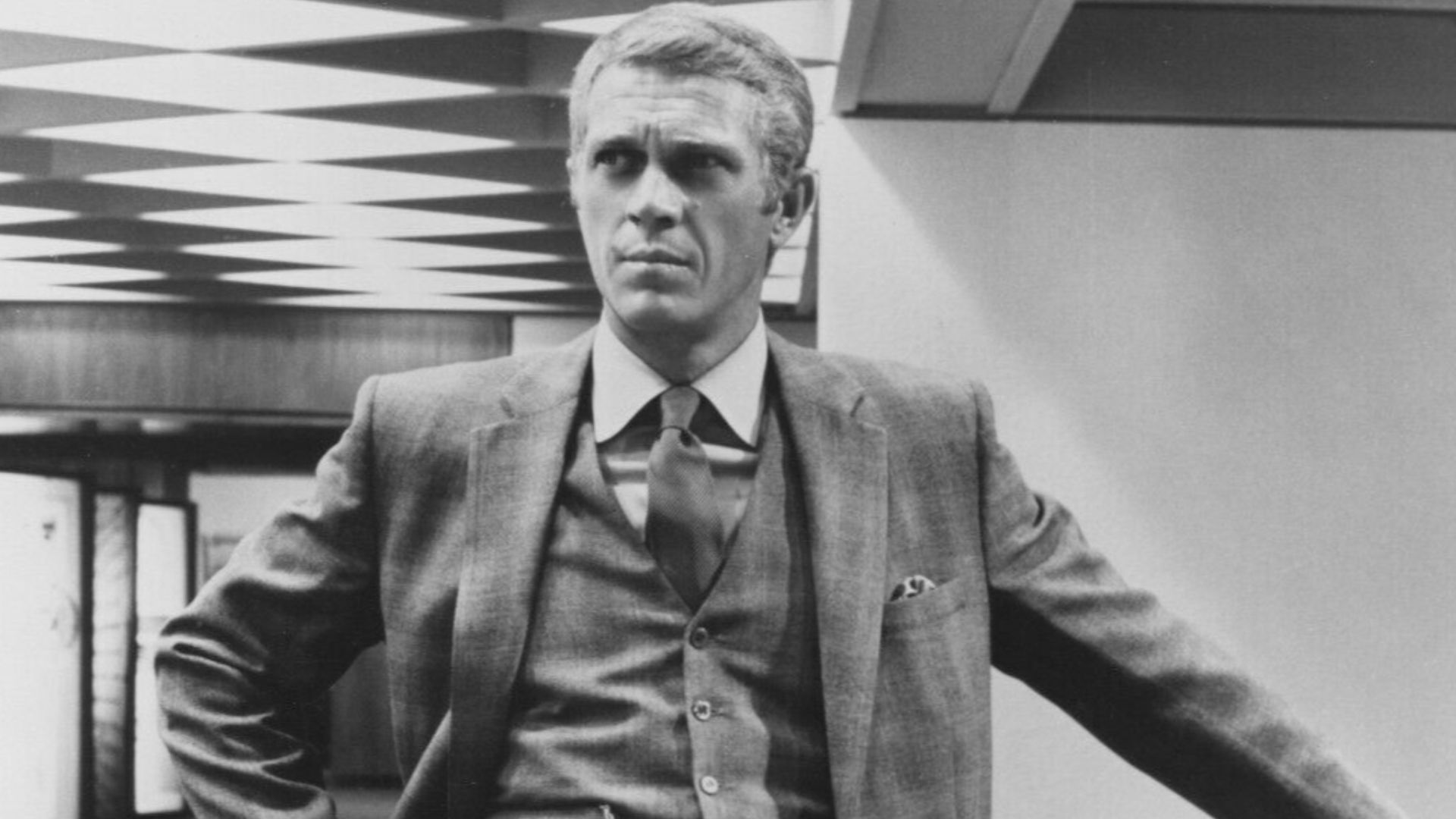 Unknown authorUnknown author, Wikimedia Commons
Clint Eastwood
Before he became the legendary director everybody knows today, Clint Eastwood was “The Man With No Name.” Few actors in history have done more with fewer words. In Sergio Leone’s westerns, Eastwood barely spoke, yet completely dominated every scene.
The squint, the poncho, the cigar...it all became instantly iconic.
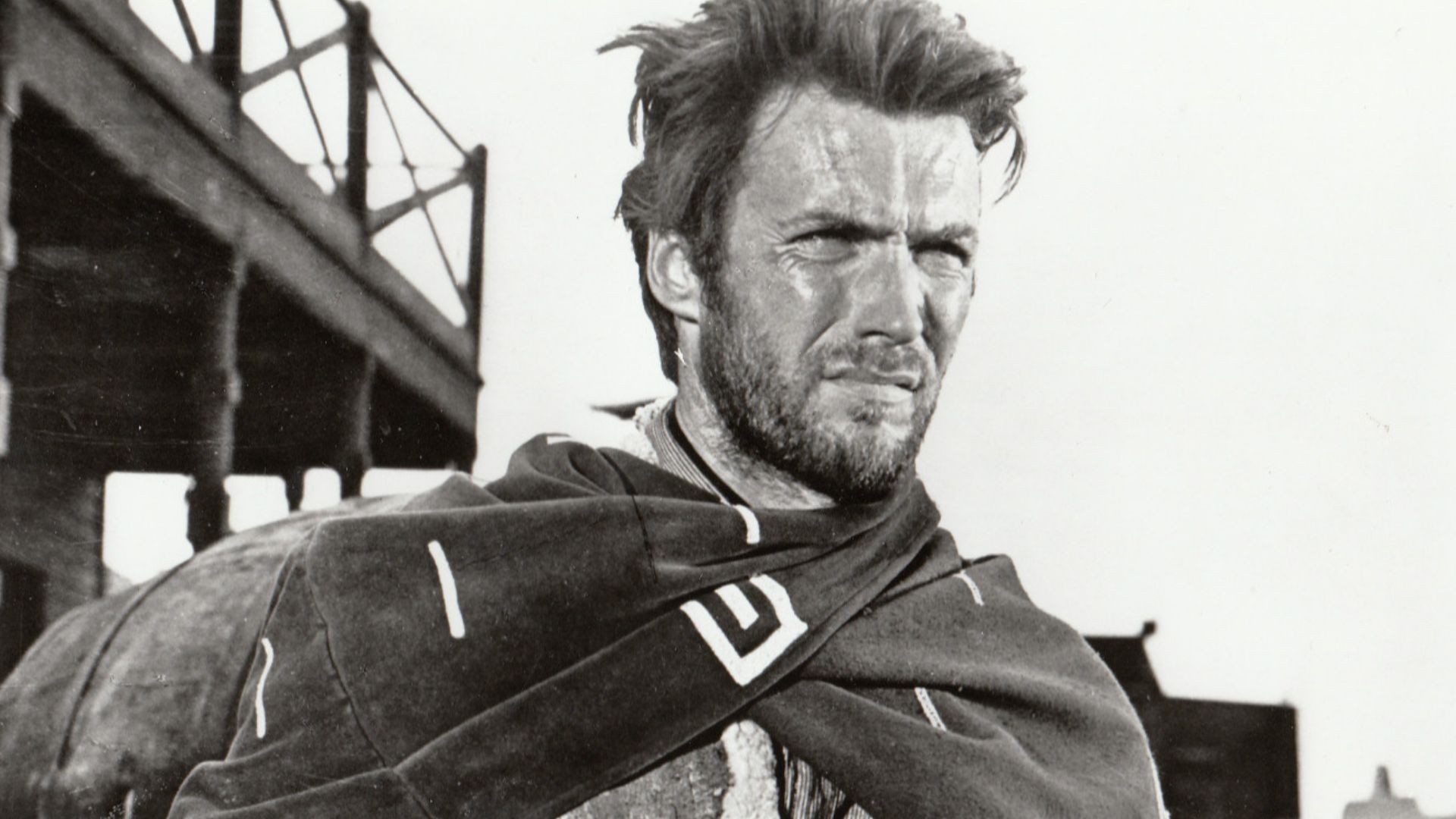 movie studio, Wikimedia Commons
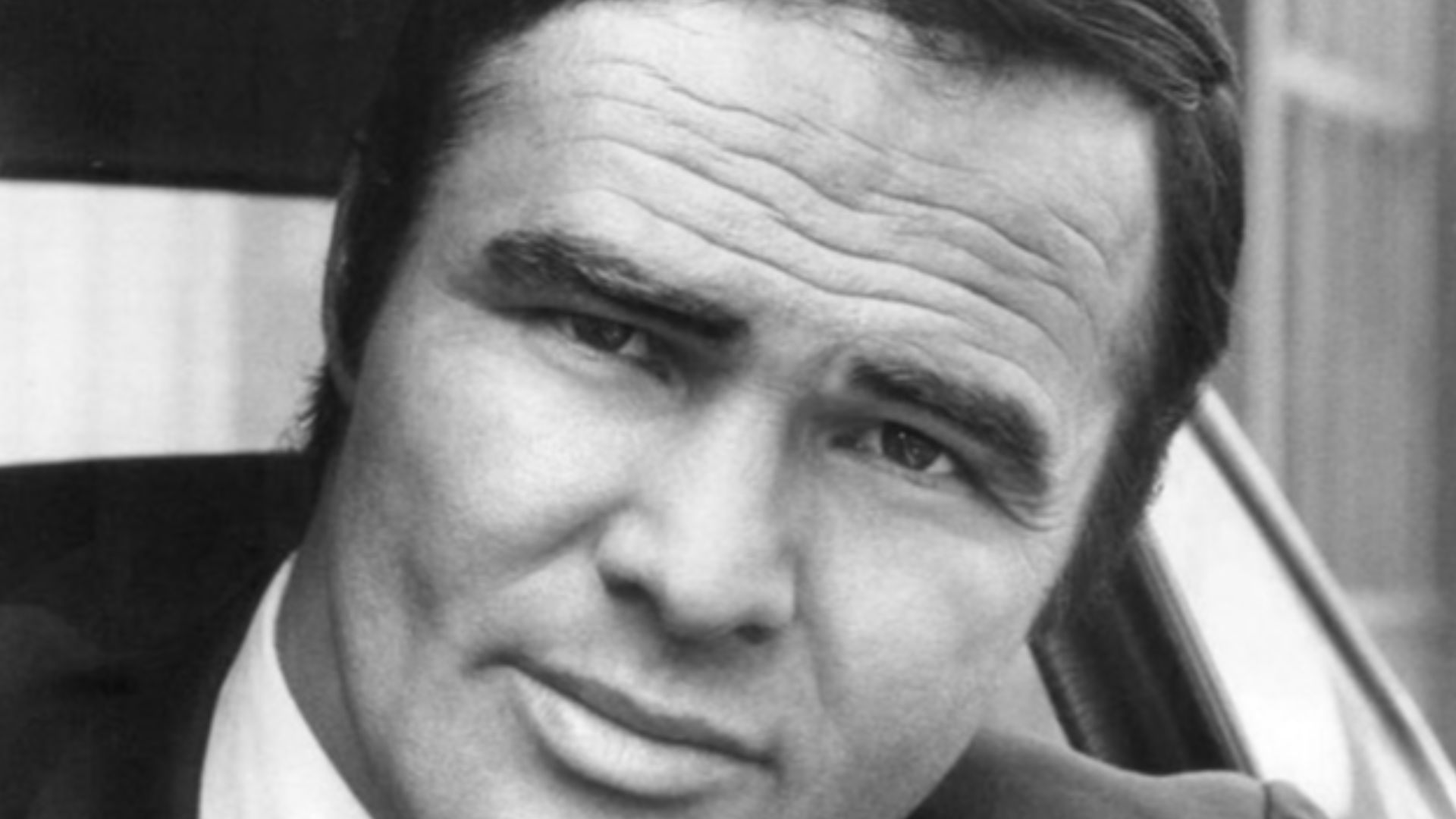
Burt Reynolds
Burt Reynolds mixed toughness with charm better than almost anybody else on this list. He could fight, joke around, flirt, and outrun police cars all in the same movie. During the late 60s and especially the 70s, Reynolds became the guy many dads wanted to be at backyard barbecues and neighborhood parties.
He made being masculine look fun instead of intimidating.
 ABC Television, Wikimedia Commons
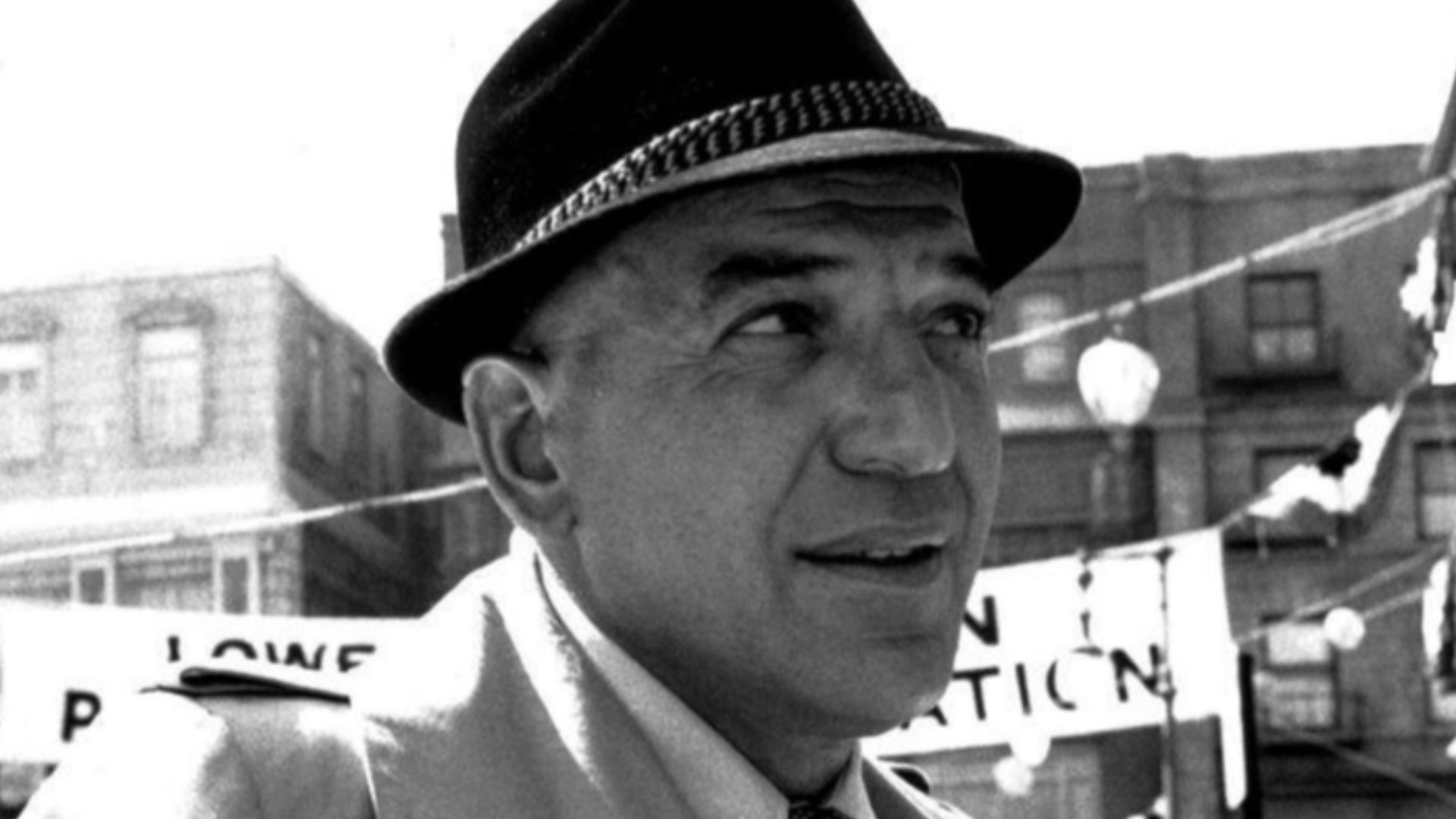
Telly Savalas
With his shaved head, deep voice, and intimidating stare, Telly Savalas looked different from every other leading man in Hollywood. That uniqueness actually made him stand out even more. Whether he was playing cops, villains, or military leaders, Savalas had an intensity audiences instantly remembered.
And a few years later, Kojak would make lollipops weirdly cool for dads everywhere.
 CBS Television, Wikimedia Commons
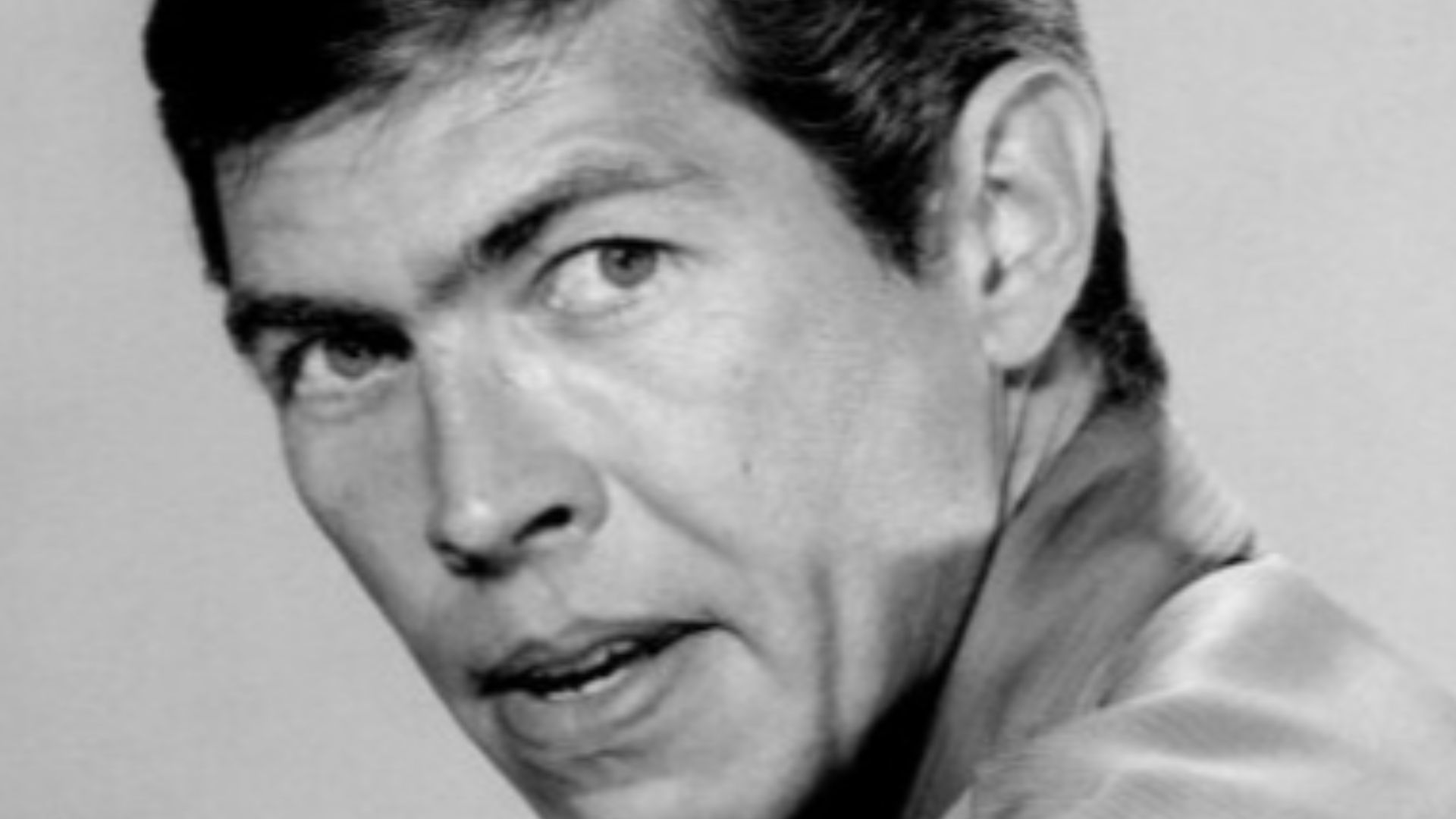
James Coburn
James Coburn had one of the smoothest “cool guy” energies of the entire decade. Tall, lean, sarcastic, and impossibly relaxed, he brought swagger to movies like The Magnificent Seven and Our Man Flint. He looked like the kind of guy who could win a fight and then casually order a drink afterward.
Hollywood spent years trying to clone that vibe.
 NBC Television, Wikimedia Commons
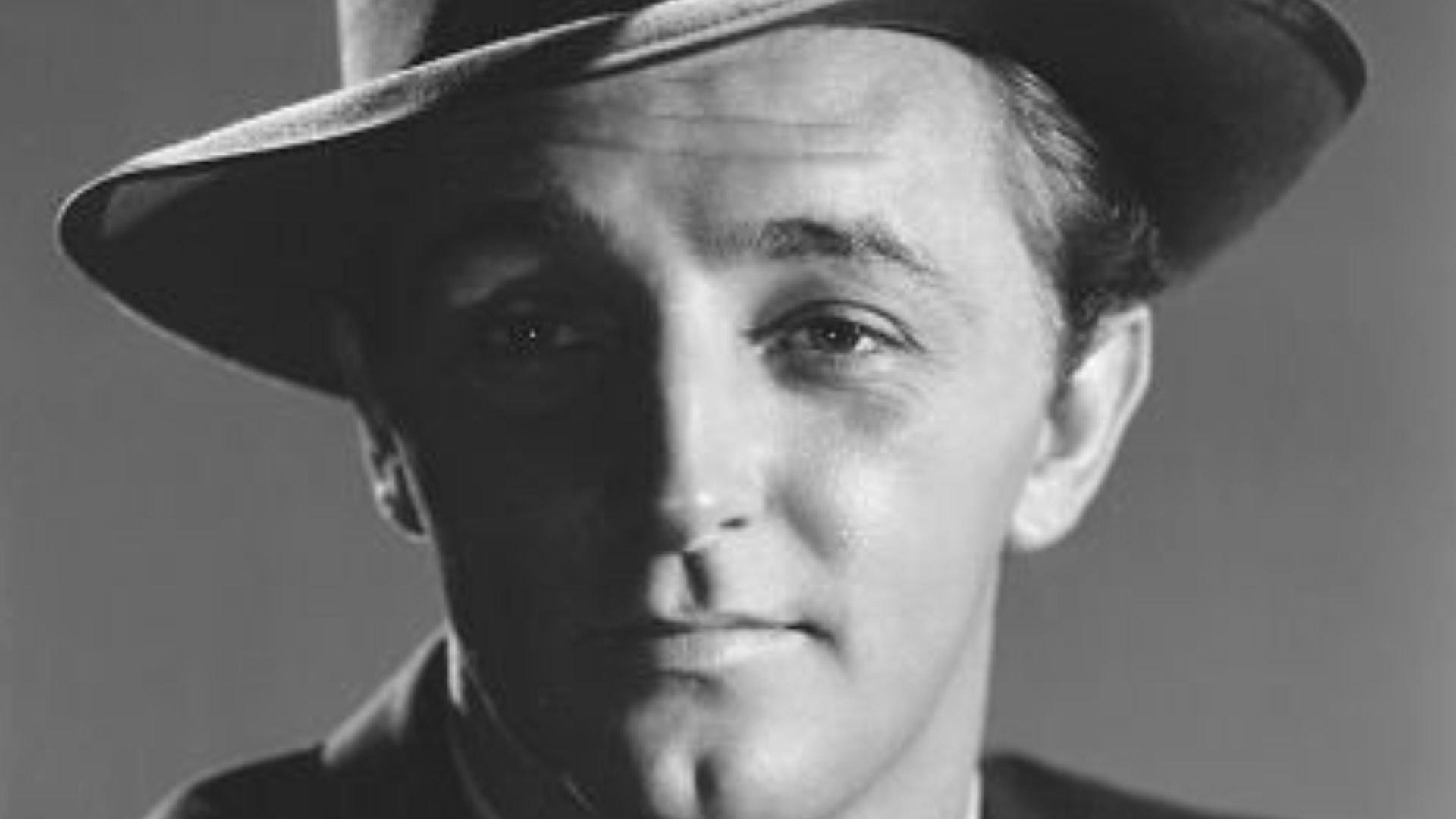
Robert Mitchum
Robert Mitchum basically invented the exhausted tough guy persona decades before it became trendy. He always looked slightly annoyed, half-asleep, and completely dangerous at the same time. Even when he got older, he still carried that intimidating screen presence.
You believed Robert Mitchum had seen some things...and probably didn’t want to talk about them.
 Unknown authorUnknown author, Wikimedia Commons
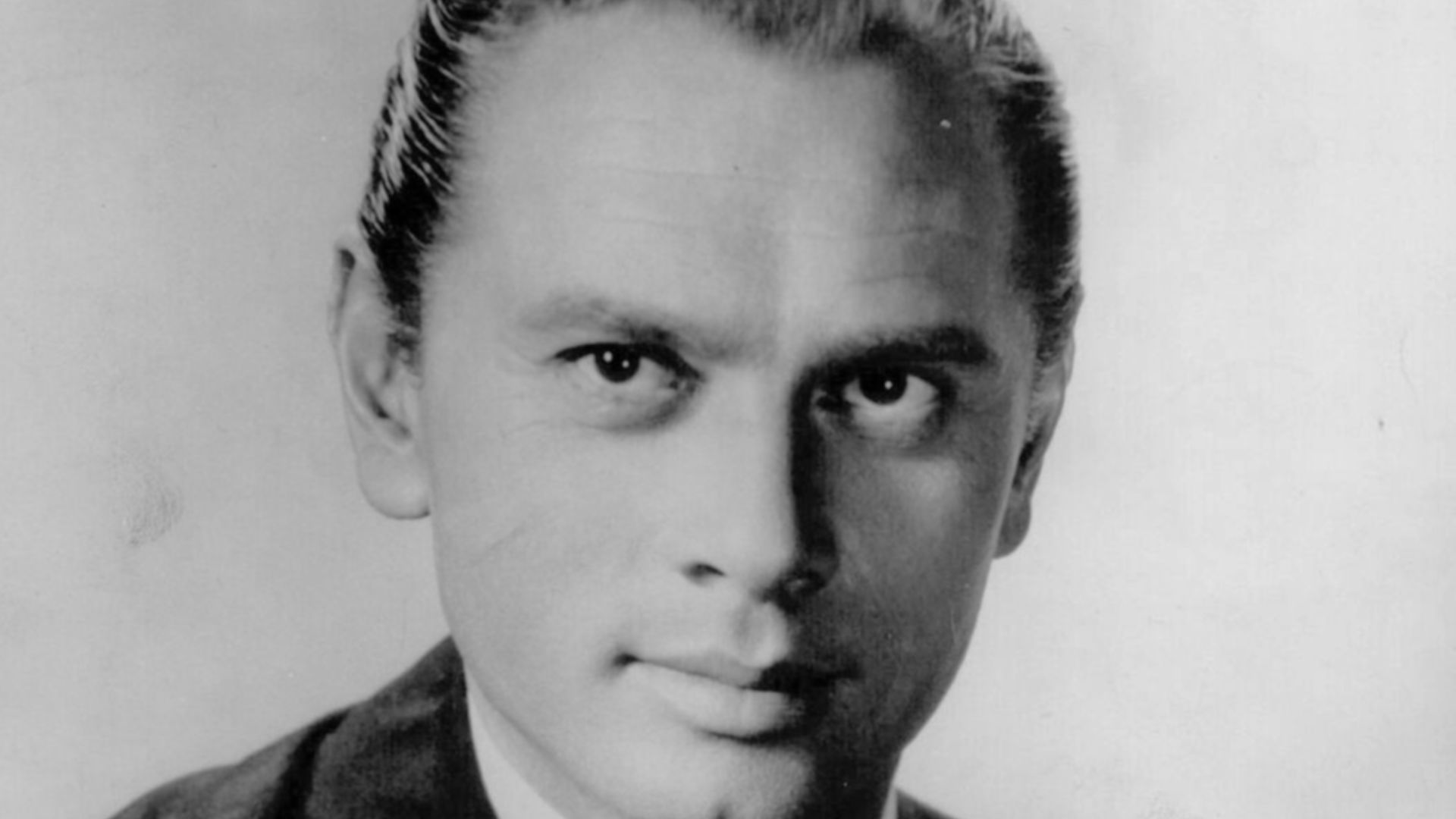
Yul Brynner
Yul Brynner brought a completely different kind of toughness to Hollywood. He was calm, controlled, and almost impossible to intimidate on screen. In The Magnificent Seven, he barely needed dialogue to command attention.
The shaved head, deep voice, and icy confidence made him unforgettable in the 60s.
 Unknown authorUnknown author, Wikimedia Commons
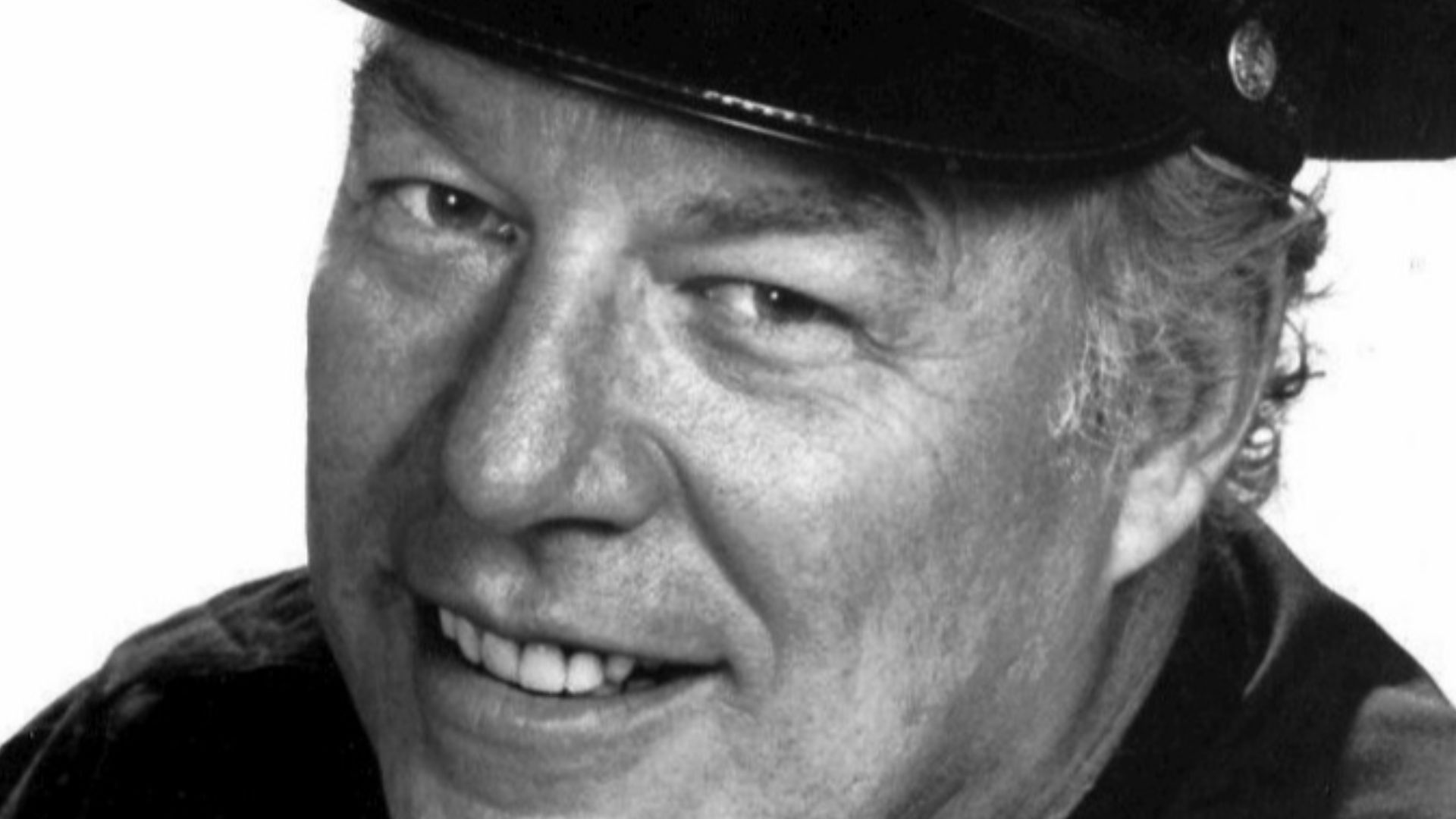
George Kennedy
George Kennedy looked like the human version of a steel beam. Big, powerful, and impossible to overlook, he became one of Hollywood’s most reliable tough guys during the 60s and 70s. His Oscar-winning role in Cool Hand Luke helped cement that reputation permanently.
He had the kind of face that looked built for prison movies and westerns.
 CBS Television, Wikimedia Commons
Lee Van Cleef
Lee Van Cleef somehow looked even more dangerous than Clint Eastwood in some spaghetti westerns...which is honestly impressive. His sharp features and cold stare made him perfect for villains and antiheroes. Movies like The Good, the Bad and the Ugly turned him into a cult legend.
He looked like the last guy you’d ever want following you into an alley.
![Lee Van Cleef in the 1967 Spaghetti western film, Death Rides a Horse
The film is public domain in the United States. [1] [2] [3]
This is a retouched picture, which means that it has been digitally altered from its original version. Modifications:](https://www.factinate.com/storage/app/media/theshot/2026/6/4/178056063094e8b5e4885300893bd43da7c74e3b839c863812.jpg) Giulio Petroni (director)PEC/United Artists, Wikimedia Commons
Giulio Petroni (director)PEC/United Artists, Wikimedia Commons
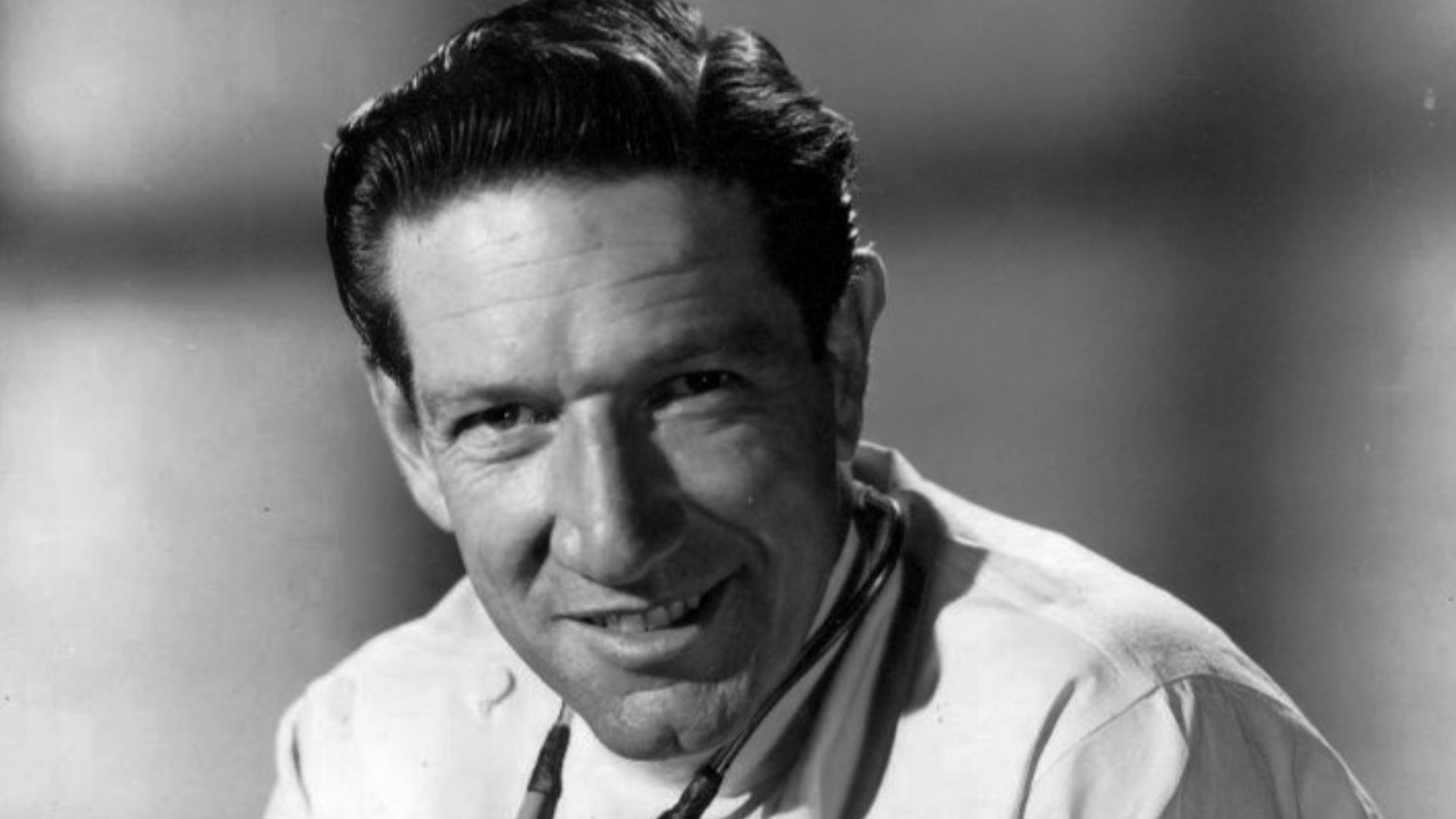
Richard Boone
Richard Boone had one of the deepest, most commanding voices in Hollywood. He became famous through westerns and TV shows where he usually played intimidating authority figures or hardened gunmen. Boone didn’t have traditional movie-star looks, but that actually helped his tough-guy credibility.
He felt believable in a way audiences really connected with.
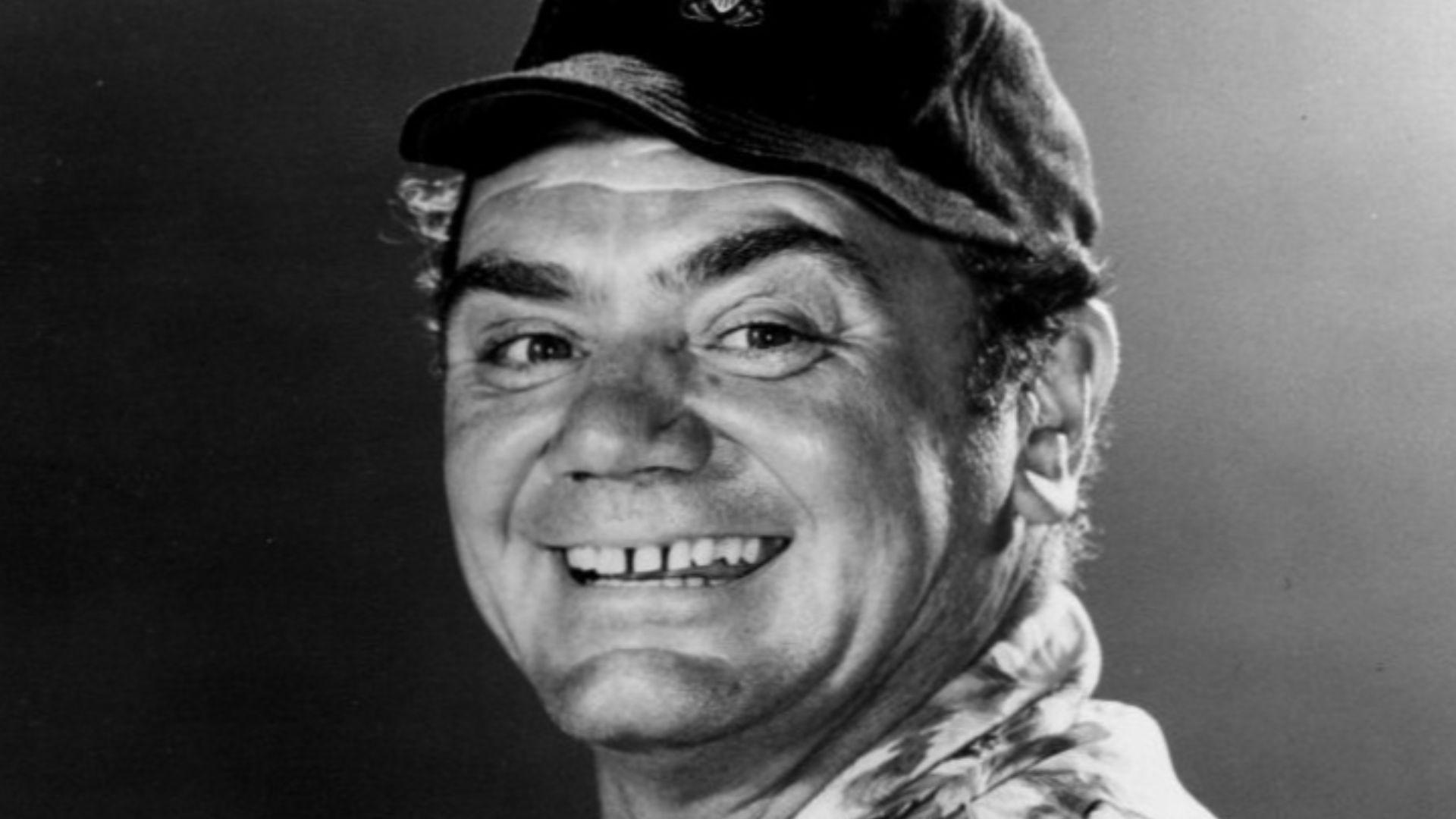
Ernest Borgnine
Ernest Borgnine looked like a guy who had worked 20 years at a shipyard before accidentally becoming a movie star. That roughness became part of his appeal. Whether playing villains, soldiers, or rugged working-class characters, Borgnine always felt authentic.
There was nothing polished about him, and dads loved that.
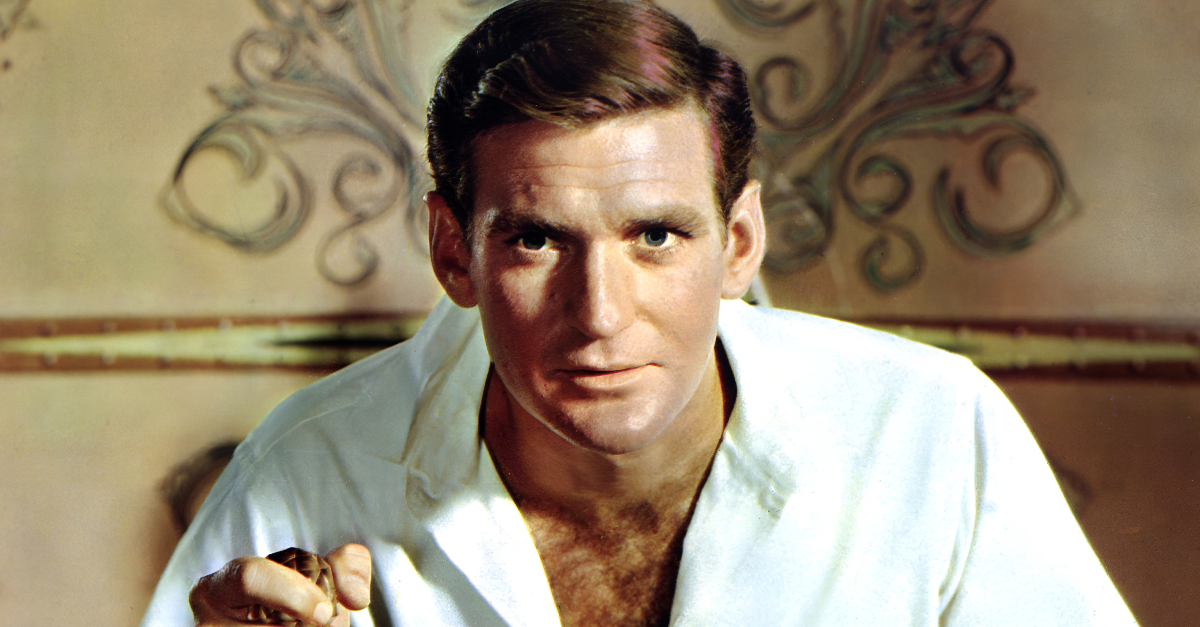
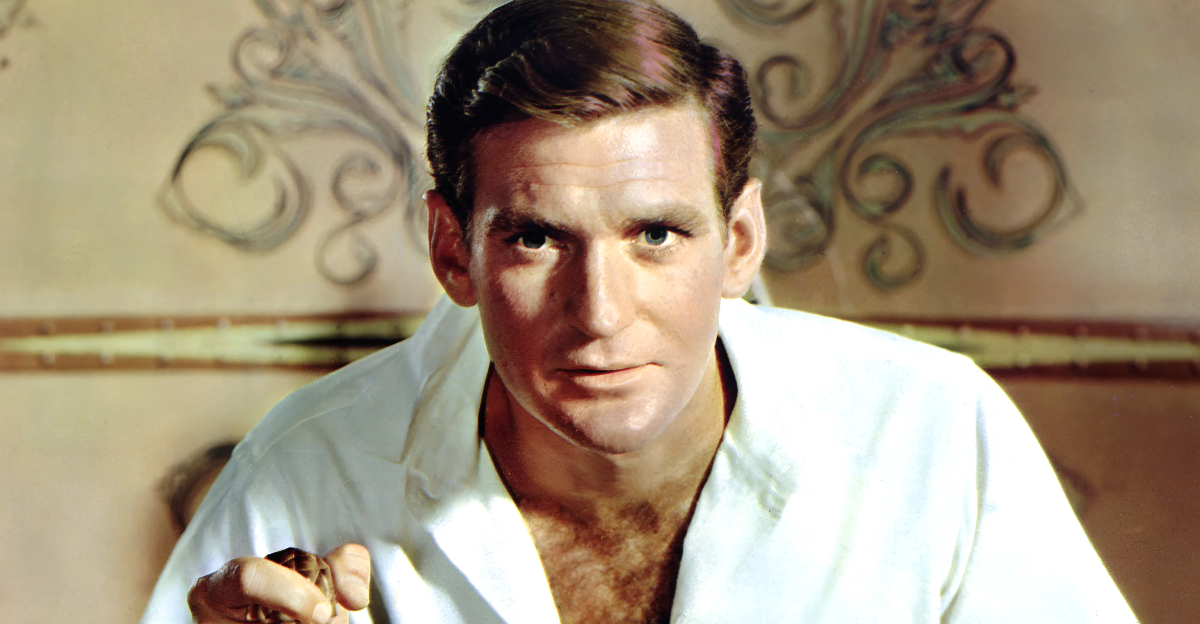
Rod Taylor
Rod Taylor combined old-school toughness with leading-man charisma. He could handle action scenes and still feel polished enough for major studio movies. In The Birds, he played the kind of confident, capable guy audiences expected to take charge during a crisis.
For a while, Hollywood thought he might become the next huge masculine icon.
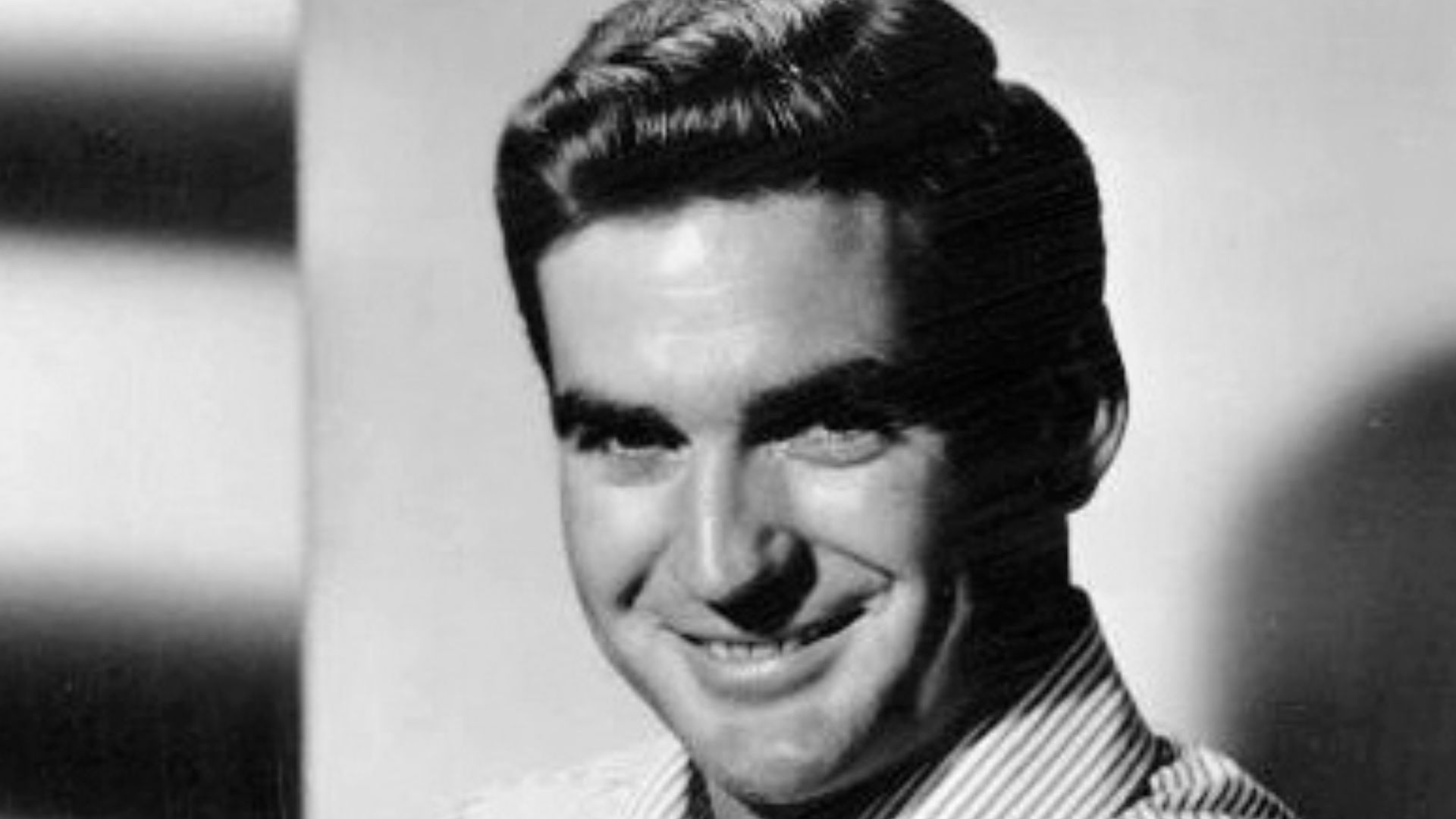 Movie studio, Wikimedia Commons
Jim Brown
Jim Brown already looked intimidating because he was one of the greatest football players ever. Then he entered Hollywood and somehow became even cooler. In the late 60s and early 70s, Brown helped redefine what action stars could look like.
On screen, he carried himself with total confidence and zero fear.
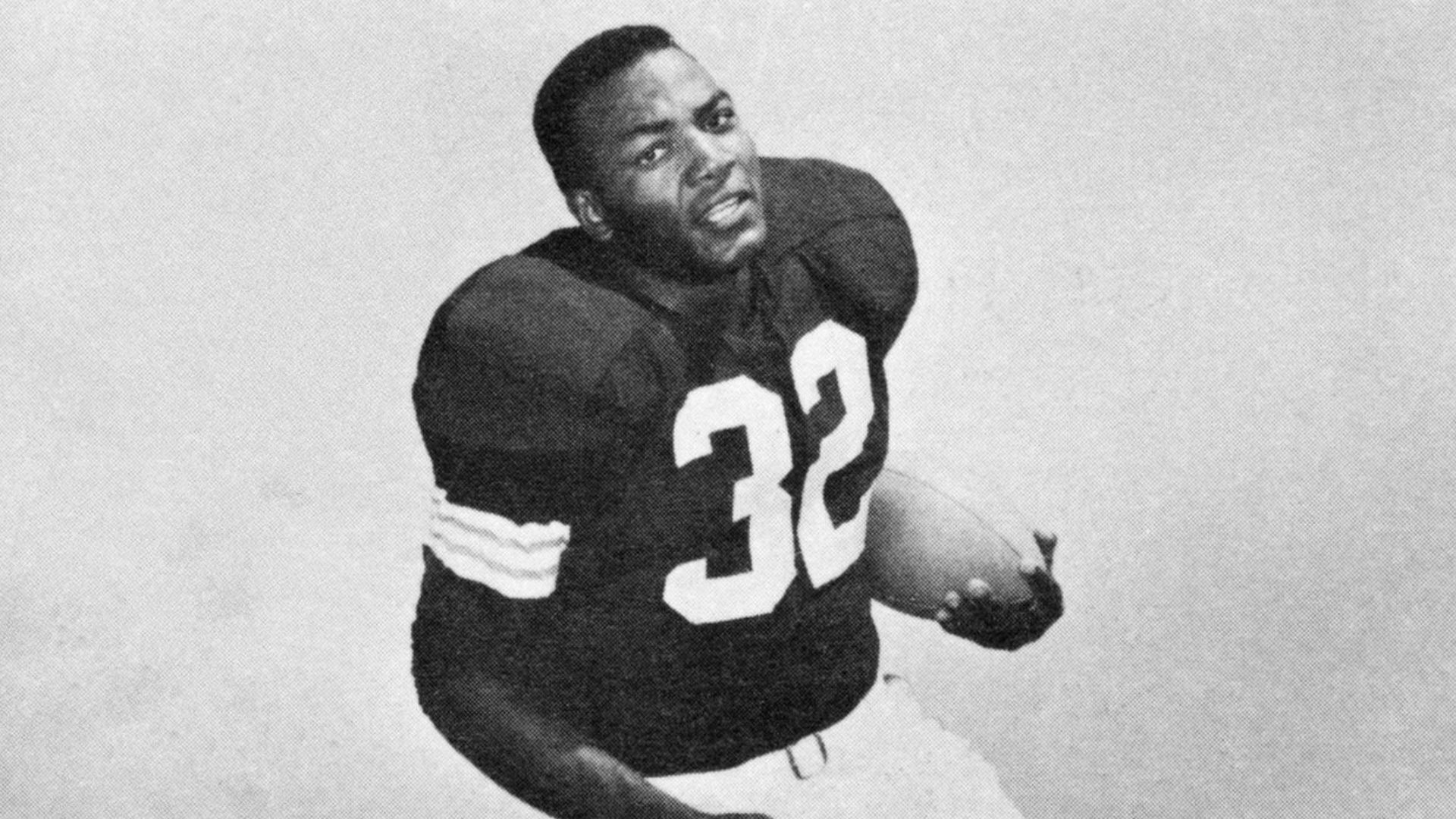 Kahn's Weiners, Wikimedia Commons
Robert Shaw
Robert Shaw had an intensity that made every scene feel dangerous. Whether he was playing gangsters, military officers, or eventually Quint in Jaws, Shaw brought raw aggression into his performances. He looked like somebody who genuinely enjoyed a fight a little too much.
That edge made him unforgettable.
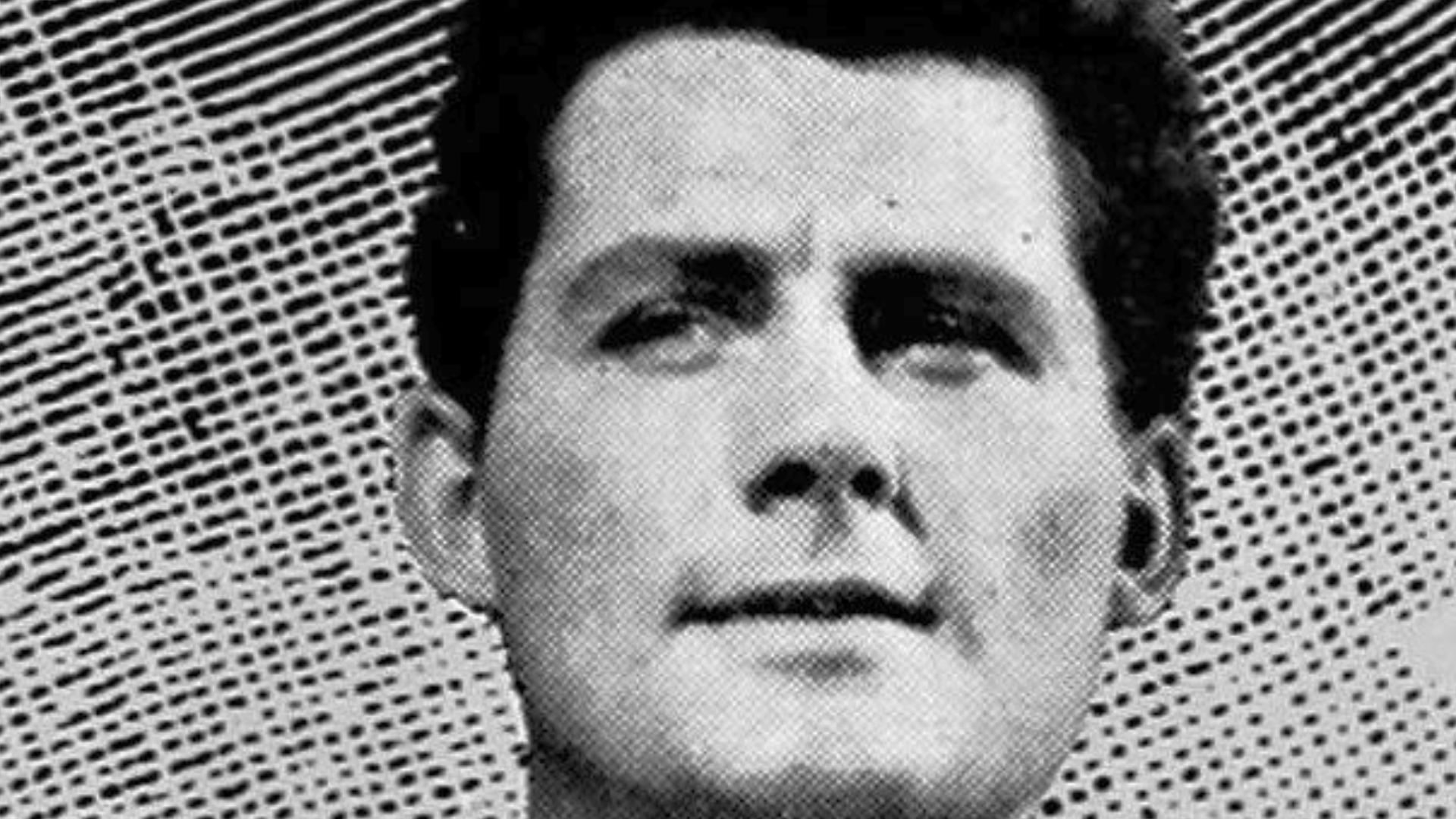 Official Films, Wikimedia Commons
Dean Martin
Dean Martin might seem like an unusual inclusion, but dads absolutely idolized him in the 60s. He represented a smoother kind of masculinity. Martin drank, joked, sang, starred in westerns, and somehow always looked completely relaxed doing it.
He made cool seem effortless...which was kind of his entire brand.
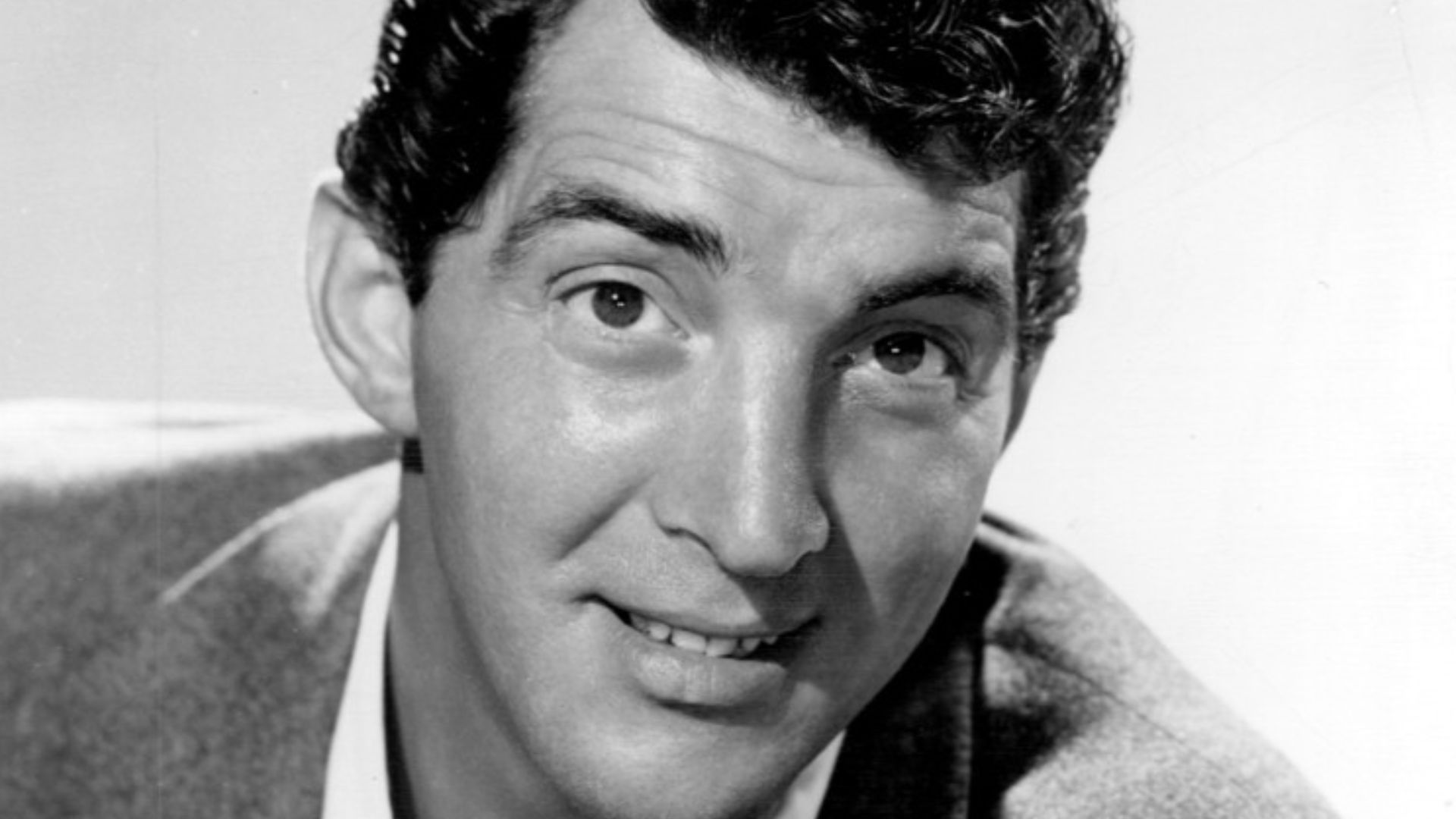 NBC Photo by Elmer Holloway, Wikimedia Commons
John Cassavetes
John Cassavetes brought a more emotional and unpredictable kind of toughness to Hollywood. Unlike the stoic cowboy types, Cassavetes felt raw and explosive. His performances often looked messy, real, and dangerously emotional.
That unpredictability gave him a completely different kind of masculine presence.
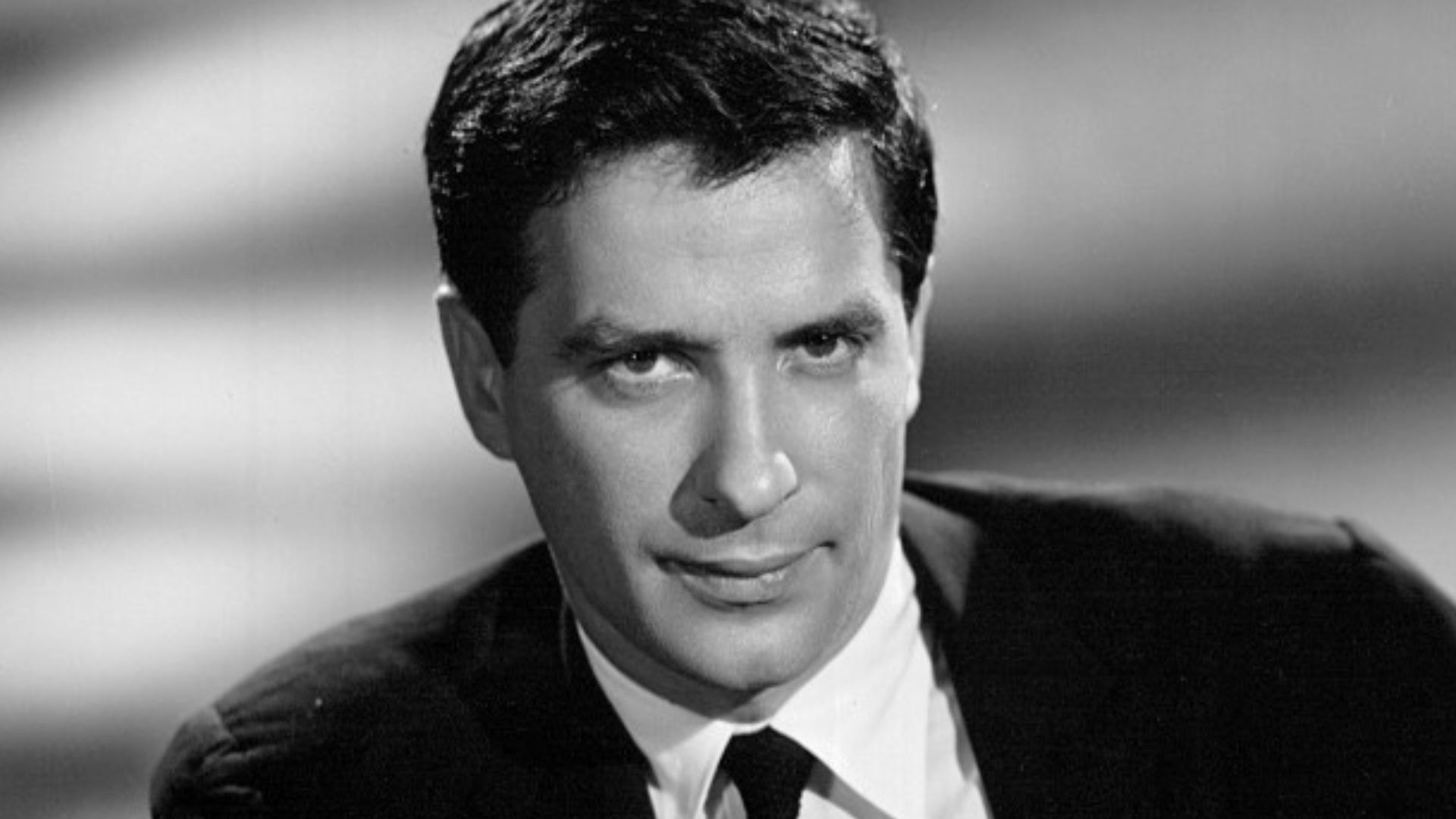 NBC Television, Wikimedia Commons
Sean Connery
Before generations associated him with endless James Bond reruns, Sean Connery completely changed what movie masculinity looked like. He was sophisticated, dangerous, charming, and intimidating all at once. The early Bond films turned him into one of the biggest male icons on Earth.
For many dads, Connery was the standard.
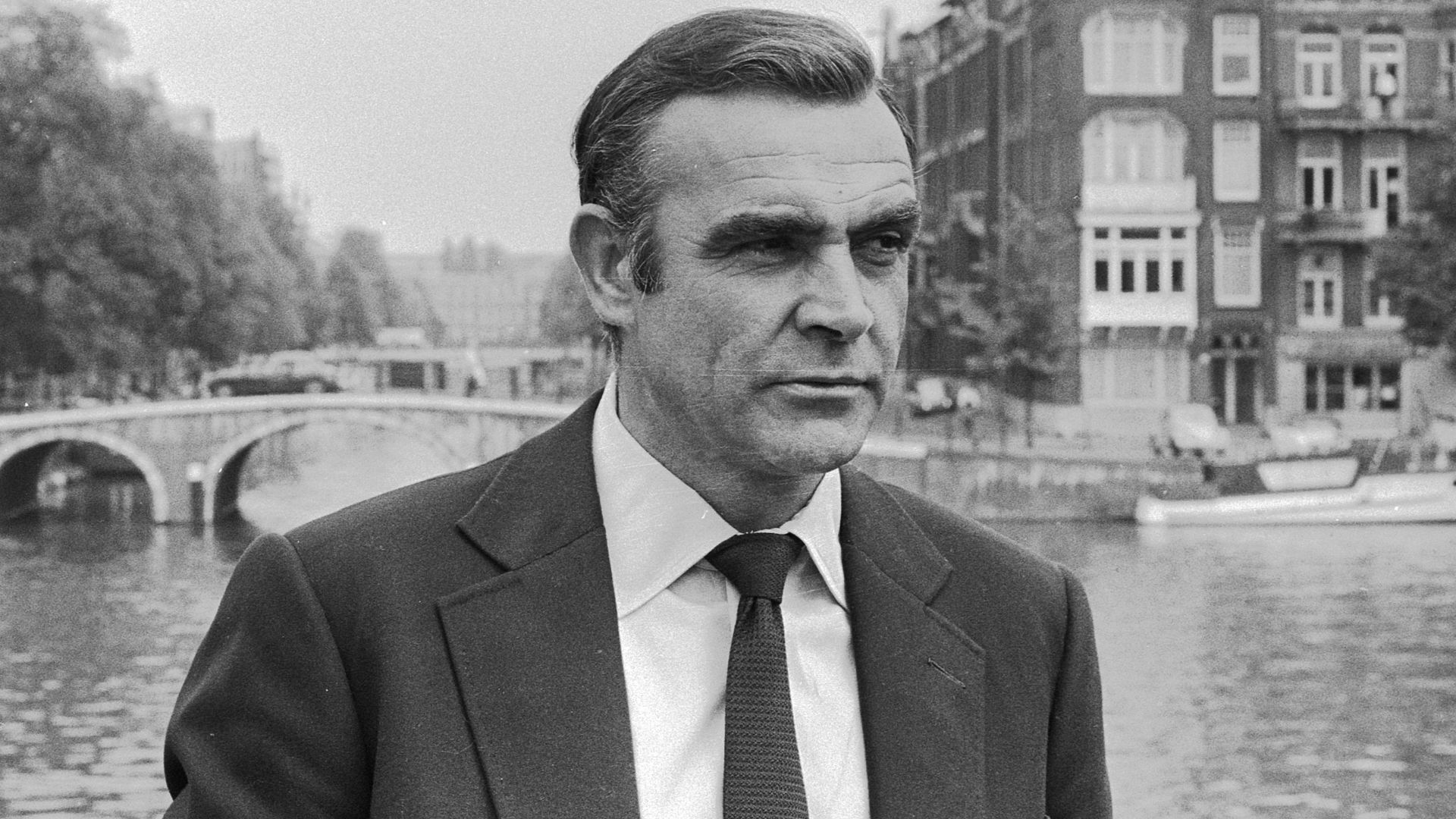 Rob Mieremet, Wikimedia Commons
Robert Ryan
Robert Ryan had the face of a heavyweight boxer and the intensity to match. He specialized in playing dangerous, morally complicated men who always looked one bad day away from snapping. Even when he played heroes, there was something intimidating underneath.
He brought a level of grit that a lot of cleaner-cut stars couldn’t fake.
 Unknown authorUnknown author, Wikimedia Commons
Jack Palance
Jack Palance looked genuinely terrifying in a way modern actors rarely do. With his sharp cheekbones, deep voice, and almost skeletal stare, he became one of Hollywood’s ultimate screen tough guys. Villains, cowboys, gangsters...he could play all of them convincingly.
Honestly, he looked like he could survive getting hit by a truck.
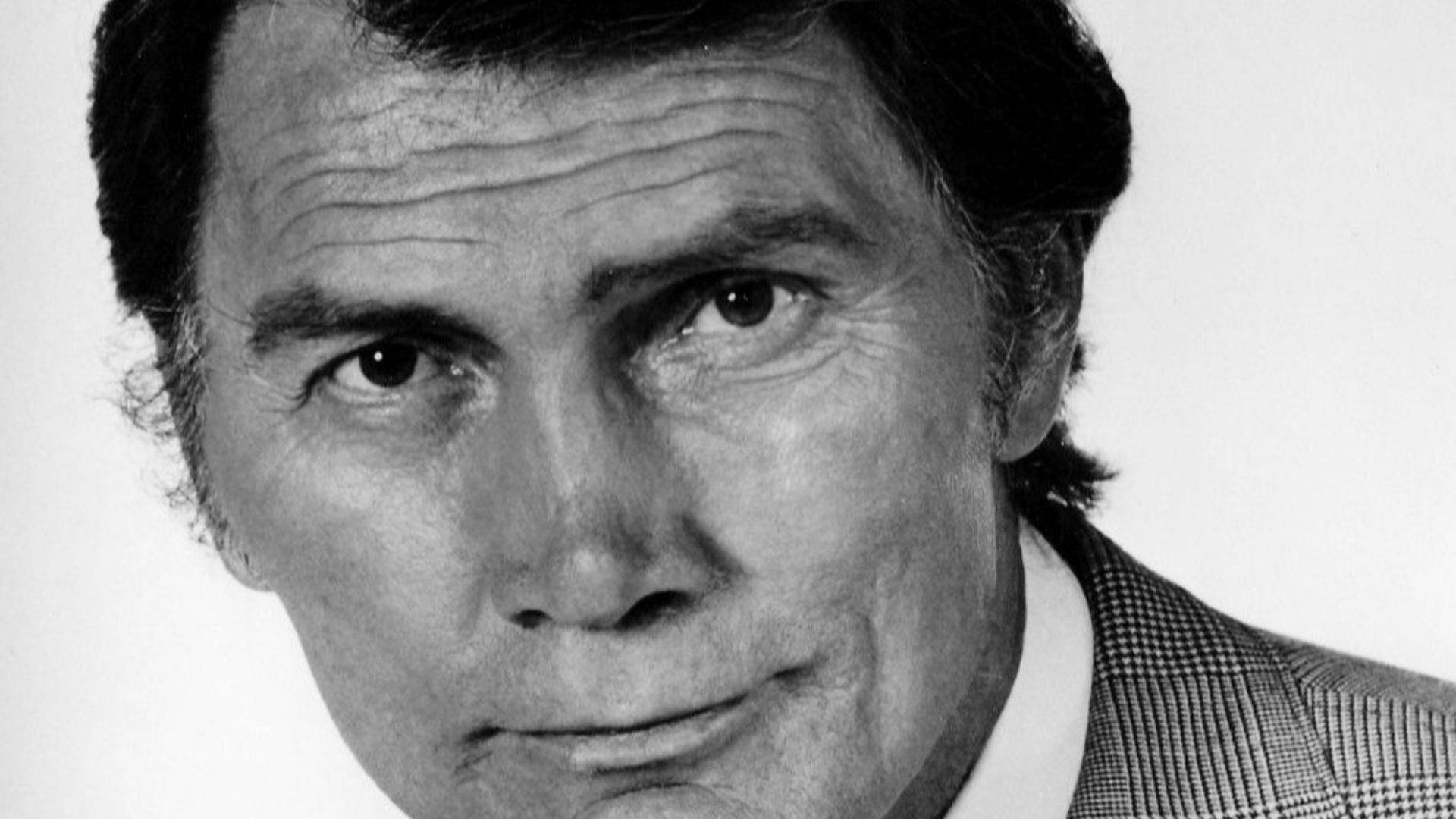 CBS Television, Wikimedia Commons
Aldo Ray
Aldo Ray had one of the roughest, most distinctive voices in Hollywood history. He played soldiers and hard-living tough guys so convincingly that audiences assumed he was basically the same off-screen. In the 50s and 60s, dads absolutely recognized that swagger.
He felt more blue-collar than “movie star,” which helped his appeal.
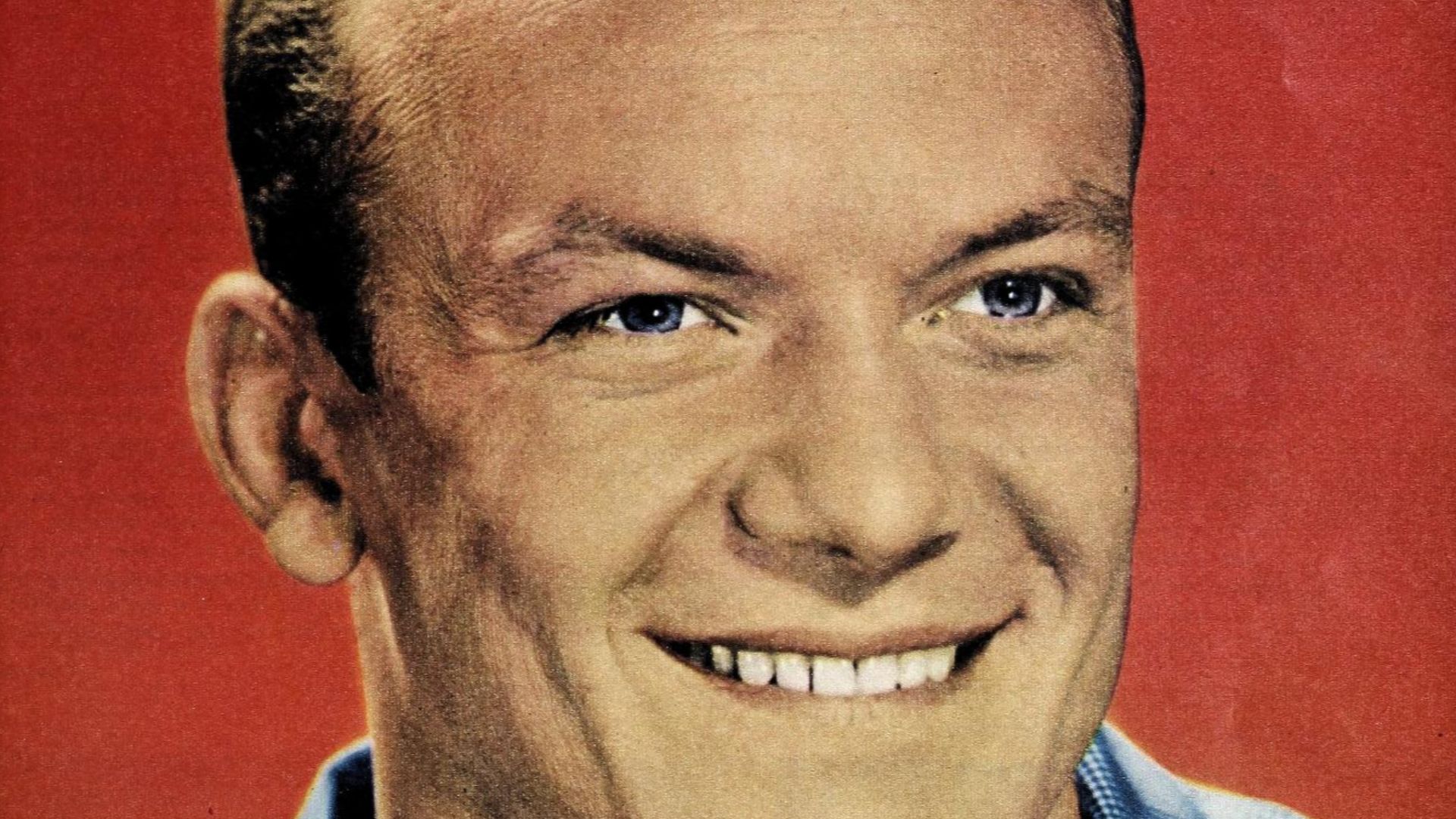 Edward Cronenweth (1903-1990) [1], Wikimedia Commons
Richard Widmark
Richard Widmark became famous for playing cold, unpredictable men with a dangerous streak underneath the surface. His performances had nervous energy that made audiences uncomfortable in the best possible way. He could go from charming to terrifying almost instantly.
That unpredictability made him memorable.
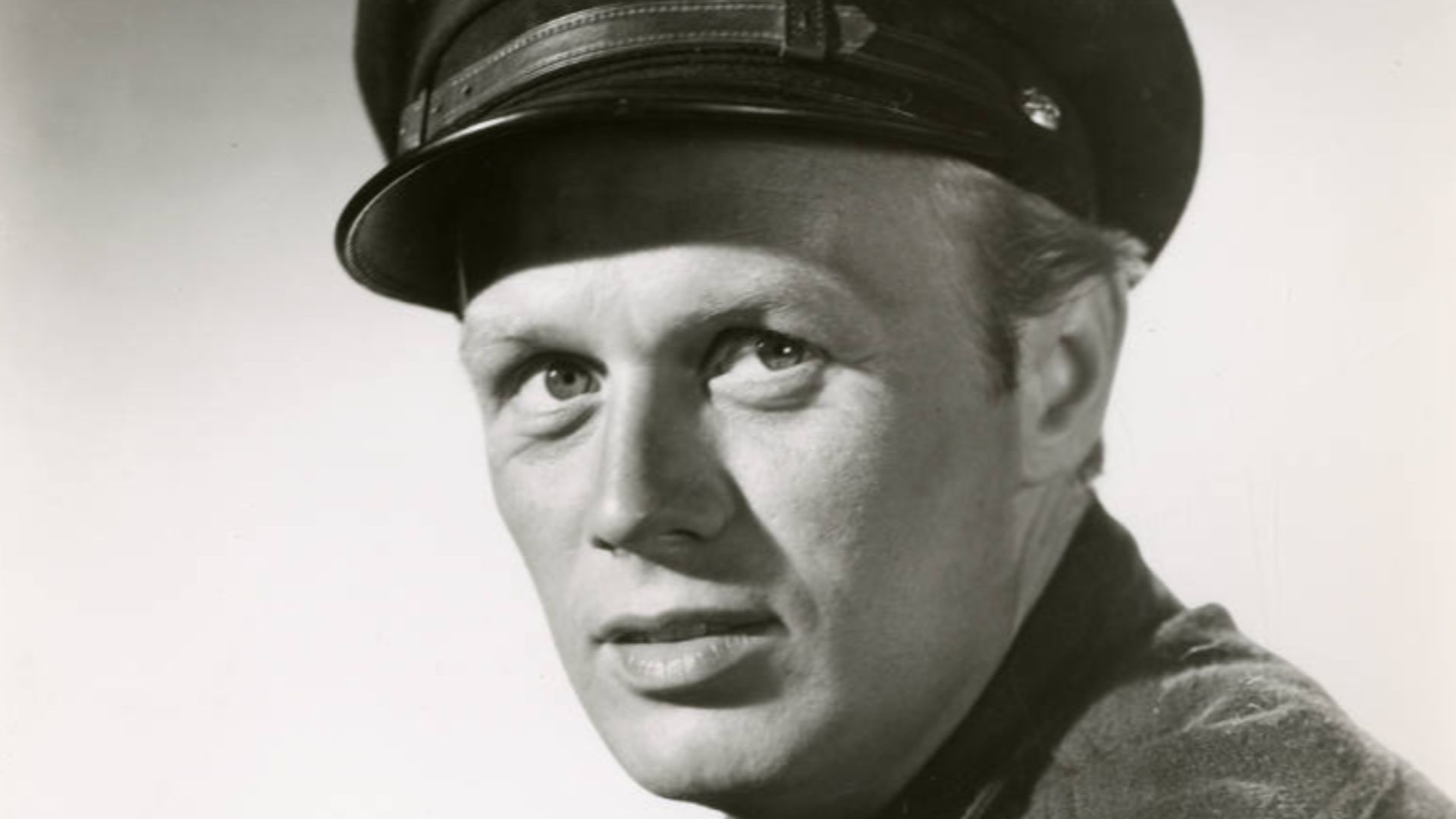 Unknown authorUnknown author, Wikimedia Commons
Glenn Ford
Glenn Ford had a quieter version of toughness compared to some of the others here. He wasn’t flashy, but he carried himself like someone completely in control of every room he walked into. Westerns and crime films made him one of the most dependable masculine leads of the era.
Dads loved actors who didn’t need to overact to seem tough.
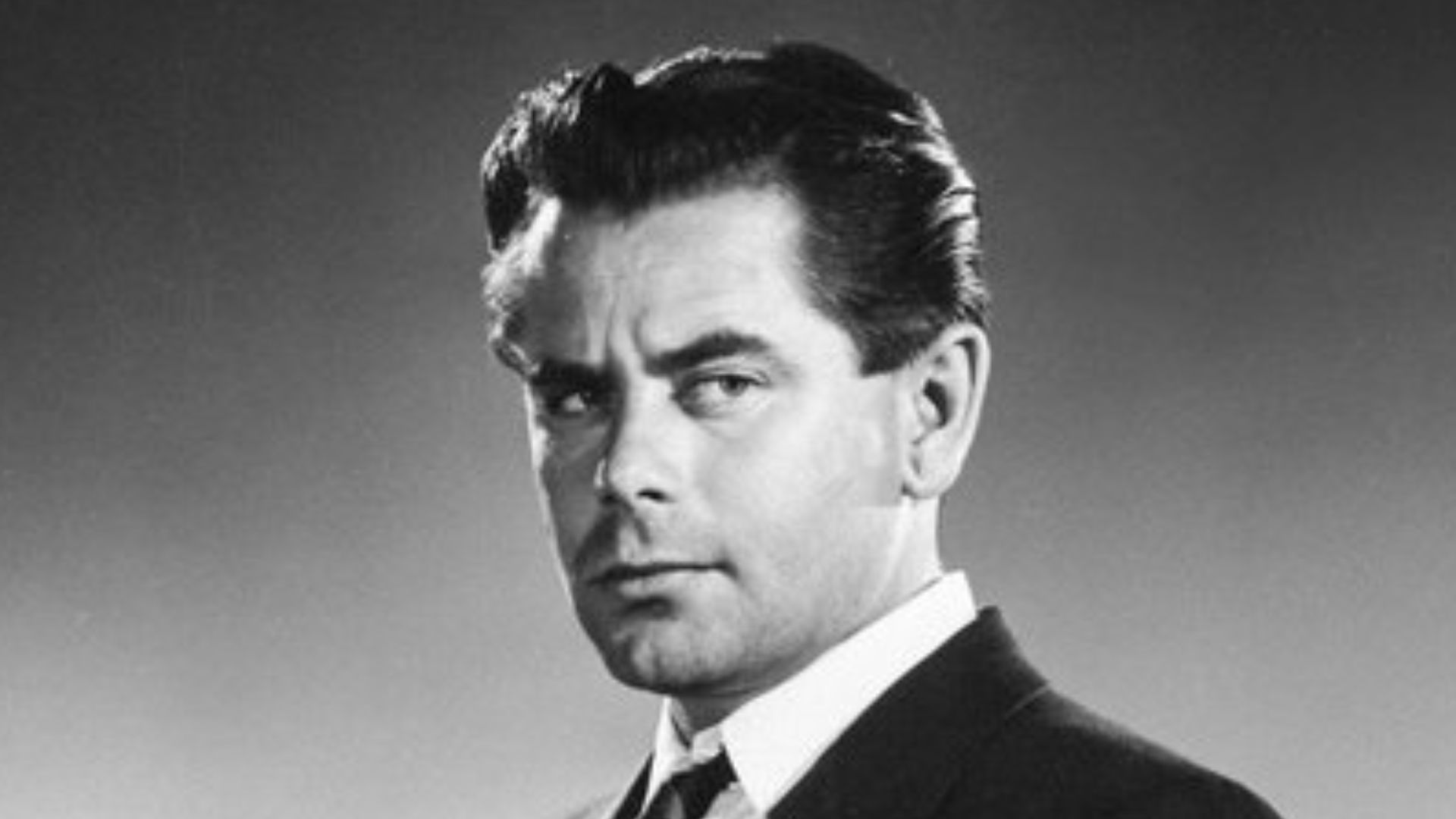 Unknown authorUnknown author, Wikimedia Commons
Neville Brand
Neville Brand may have had one of the most believable “dangerous guy” personas in Hollywood because parts of it were real. He was a decorated World War II veteran and often played hardened criminals or violent tough guys on screen.
When Neville Brand showed up in a movie, audiences instantly knew trouble was coming.
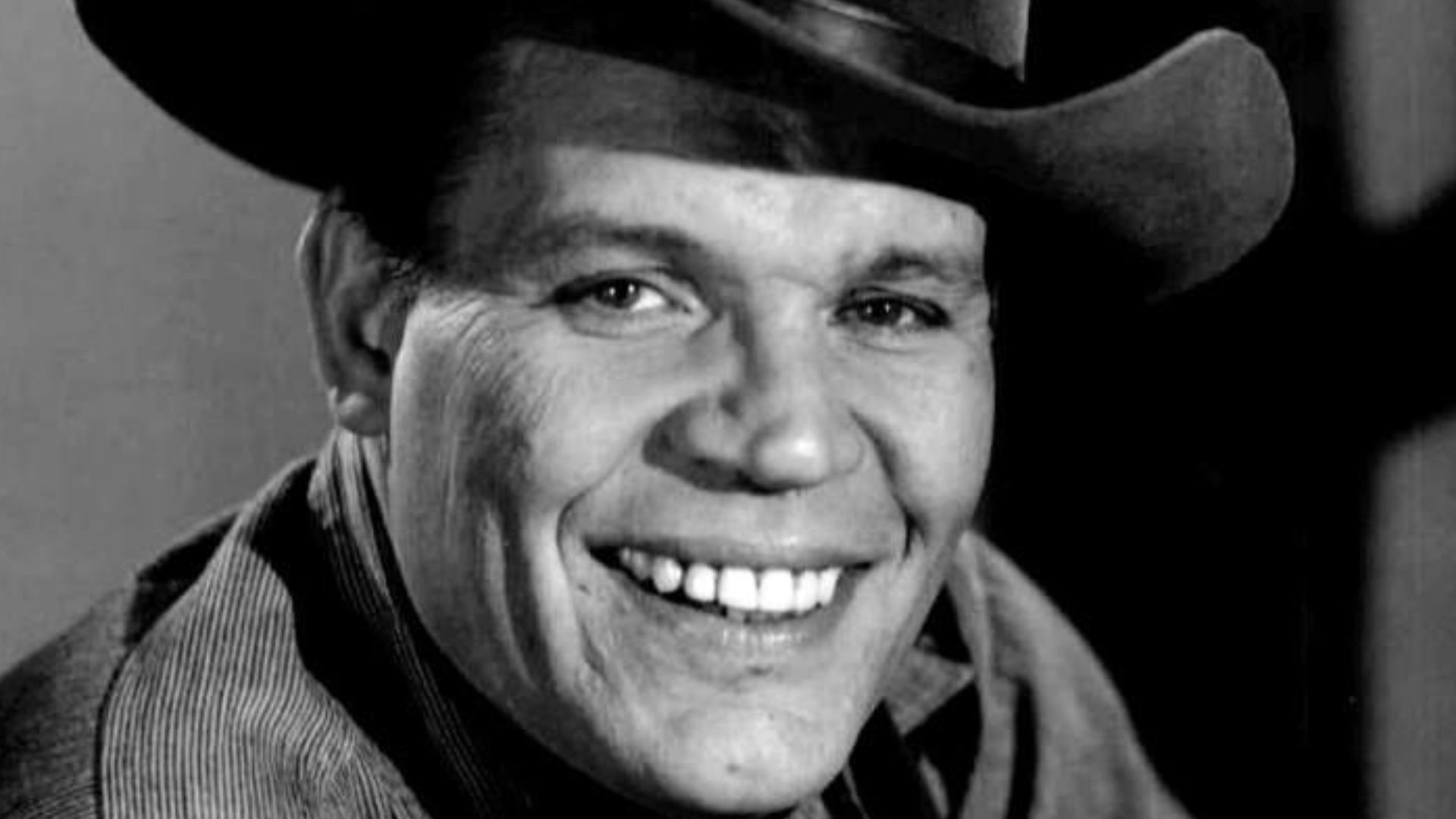 NBC Television, Wikimedia Commons
George Peppard
George Peppard had polished leading-man looks mixed with genuine toughness. Between Breakfast at Tiffany’s, war movies, and eventually The A-Team, he became one of those actors dads instantly recognized. He carried himself like a guy who always knew exactly what to say in a fight.
Cool, confident, and impossibly smooth, Peppard fit the era perfectly.
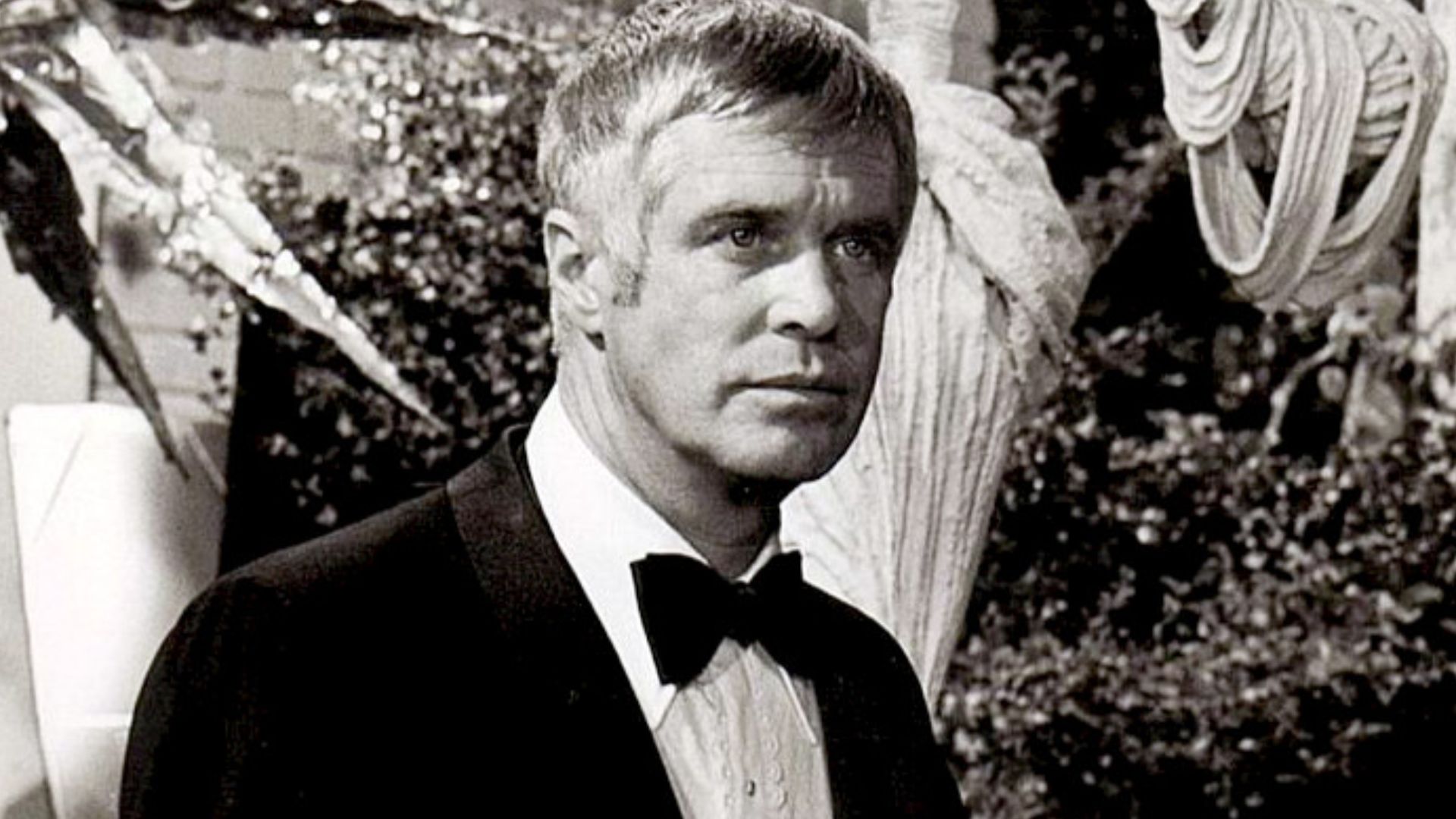 NBC Television, Wikimedia Commons
Ben Gazzara
Ben Gazzara specialized in intense, dangerous characters who always seemed seconds away from losing their temper. He had that gritty New York edge Hollywood loved during the 60s and 70s, and his performances always felt unpredictable.
He wasn’t the clean-cut Hollywood type, which honestly made him even tougher.
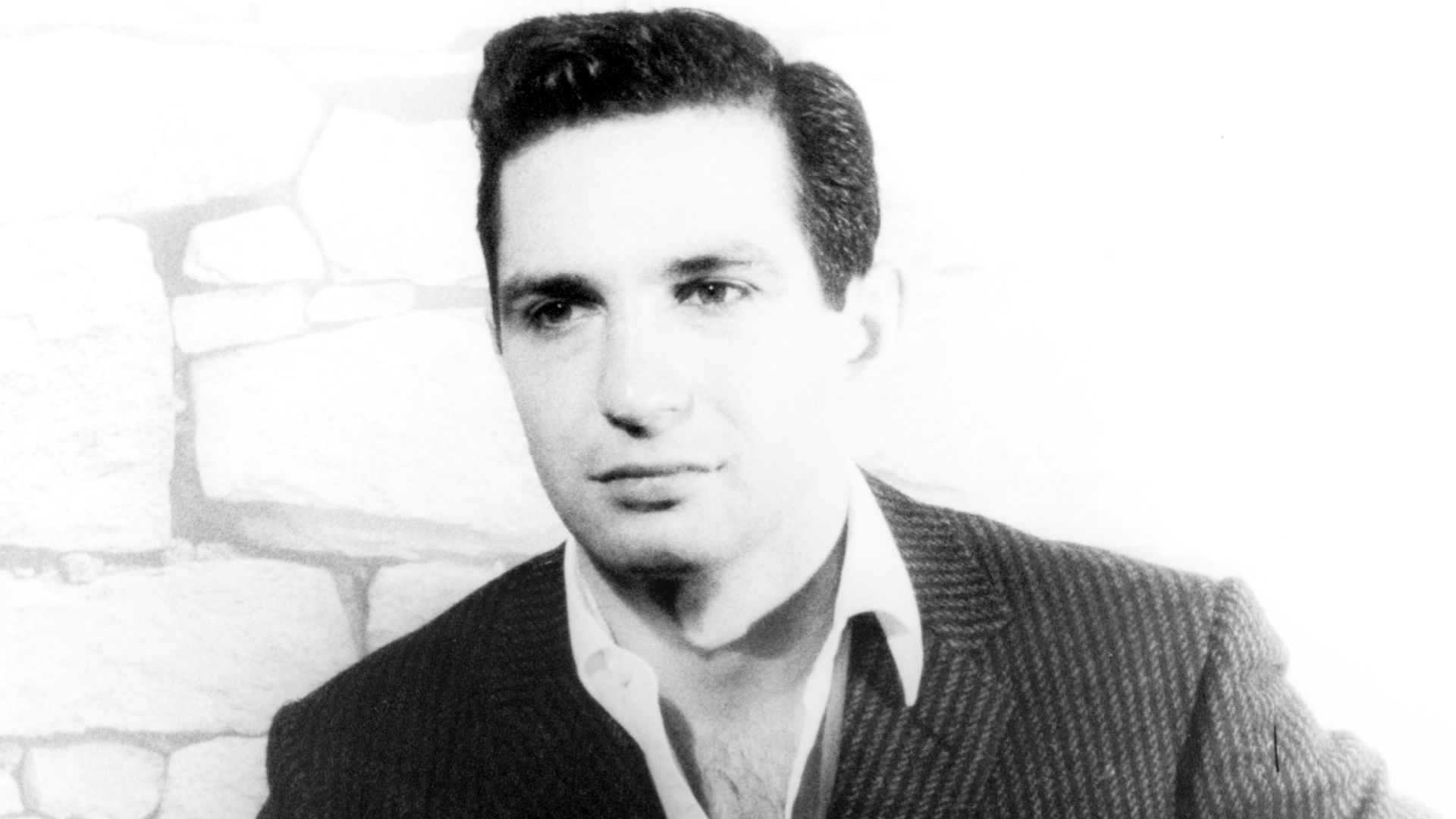 Carl Van Vechten, Wikimedia Commons
You Might Also Like:
Iconic Stars From The 1960s That No Millennial Or Gen Z Would Ever Recognize