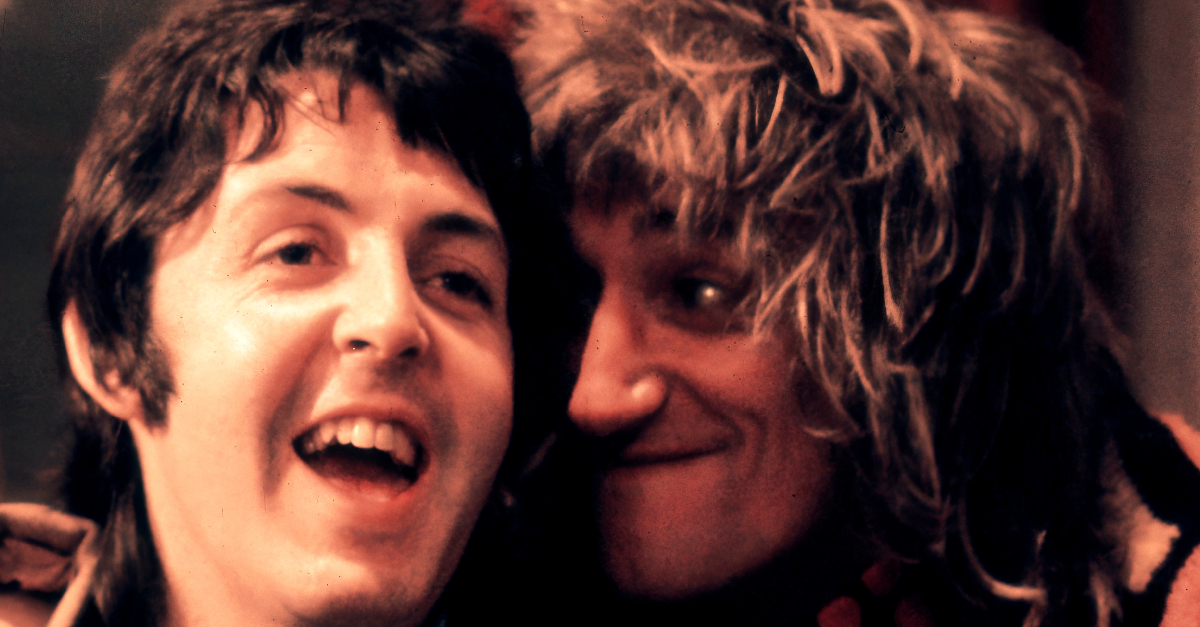
There was a time when these singers seemed too big to ever fade away (and they probably thought so too). But then time did what time almost always does. Today, mention many of these names to someone born after 2000 and you're likely to get hit with a blank stare. How many do you remember?
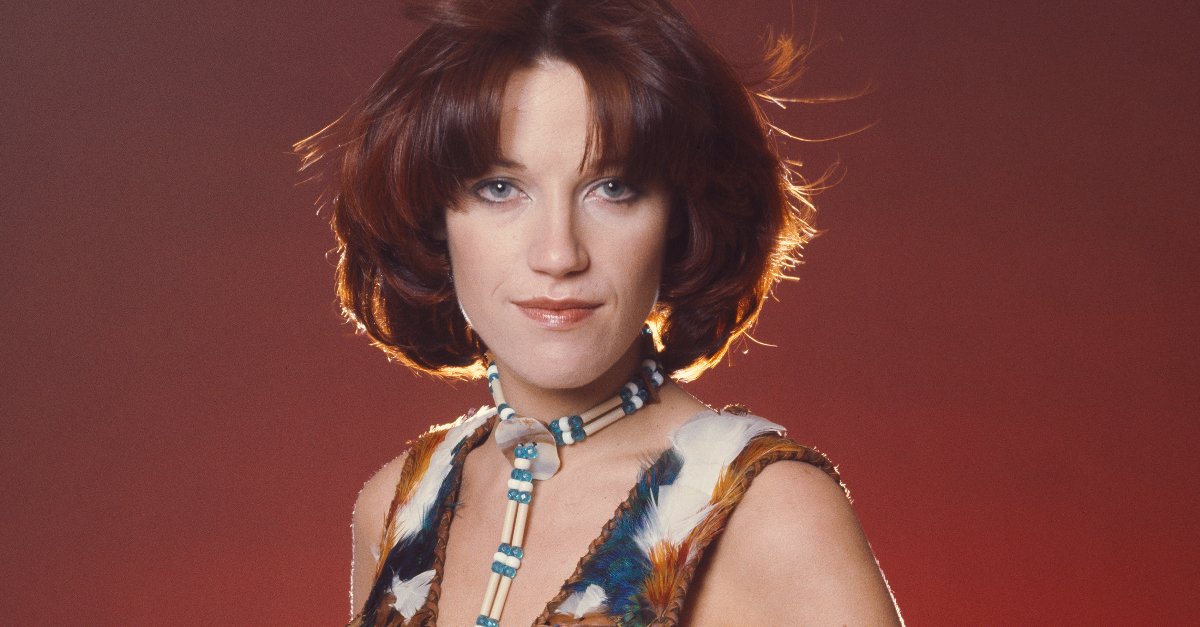
Hollywood loves finding beautiful new actresses. It just isn't very good at keeping them around. During the 60s and 70s, these women starred in huge movies, appeared on magazine covers, and seemed impossible to escape. Then the 80s arrived and Hollywood did what Hollywood always does. It started looking for the next thing. Looking back, some of the actresses it tossed aside are genuinely hard to believe.
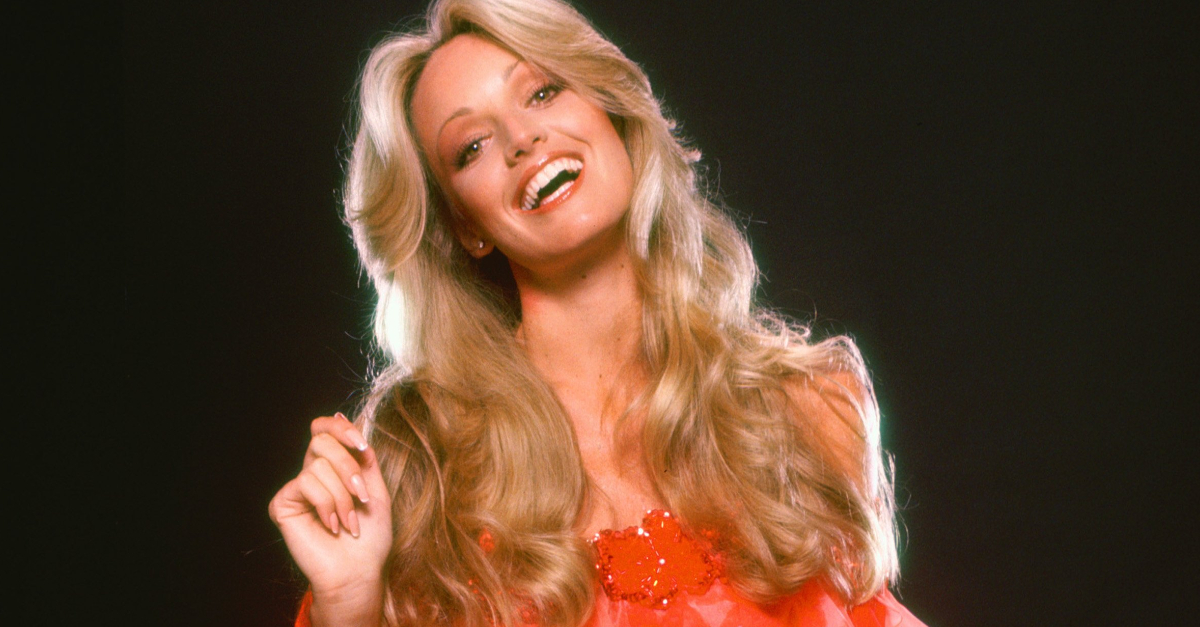
For a whole lot of Baby Boomer men, these women weren't just singers. They were the crush. They sold millions of records, dominated radio, and had a place of honor on many a Boomer bedroom wall. Today, many Millennials wouldn't recognize them by name or by face. How many do you remember?
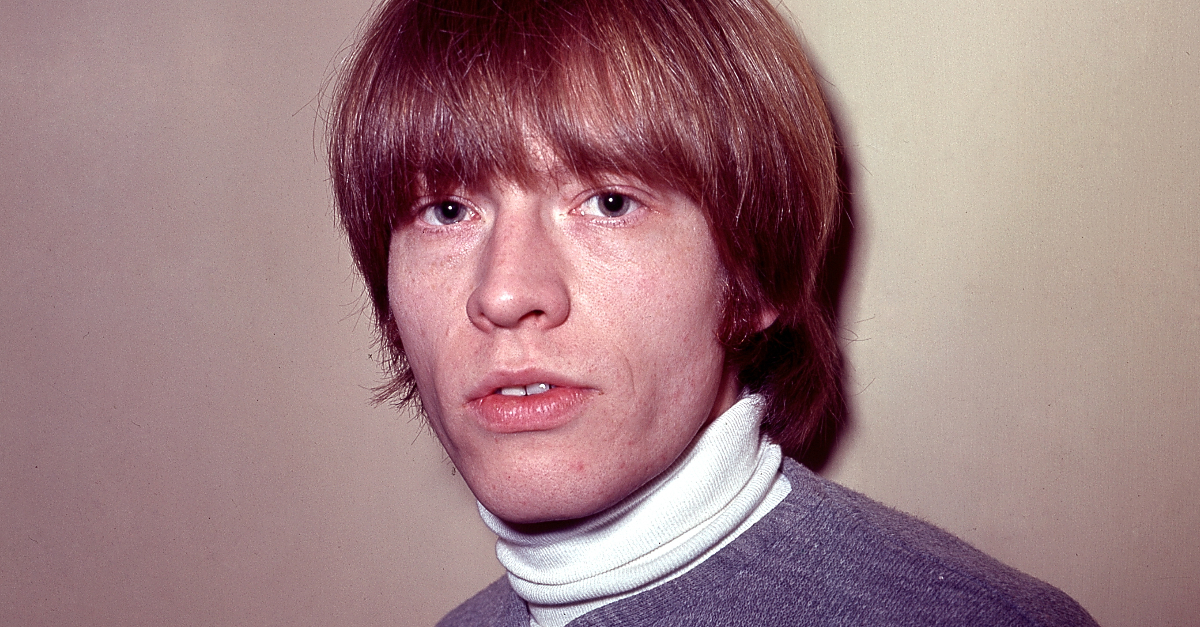
On a warm summer night in 1969, the man who founded The Rolling Stones, and one of the most famous musicians in the world, walked out into his backyard and never came back. The official explanation seemed straightforward. But years later, someone who had been there that night allegedly revealed a very different version of the events we all thought we knew.
Music critics have spent decades telling us which albums belong on lists like this. Sure, sometimes they were right. But they have also missed a whole bunch of great albums that are well deserving of a top 50 ranking recognition. Do you agree?
We've all been there. The credits roll, the lights come up, and somebody says, 'So...what was that about?' Usually, you assume the actors know the answer. After all, they were actually in the movie. As it turns out, that's a rather dangerous assumption.
For a few years in the 80s, these actors were everywhere. They starred in hit movies, dominated television, and looked destined to stay famous forever. Then the 90s arrived...and they didn't (stay famous forever). How many of these once-huge stars do you still remember?
There was a time when these bands were selling out concerts and topping the charts. And now....you'd be hard pressed to find anyone beyond hardcore fans who even remember them.
In 1922, one of Hollywood's most respected filmmakers was found dead in his Los Angeles bungalow. The murder shocked the public. The secrets that emerged afterward shocked them even more.
THE SHOT
✕
Enjoying what you're reading? Join our newsletter to keep up with the latest scoops in entertainment.
Breaking celebrity gossip & scandals
Must-see movies & binge-worthy shows
The stories everyone will be talking about
✕
Want to read more?
If you like humaverse you may also consider subscribing to these newsletters: