January 28, 2026 Sasha Wren

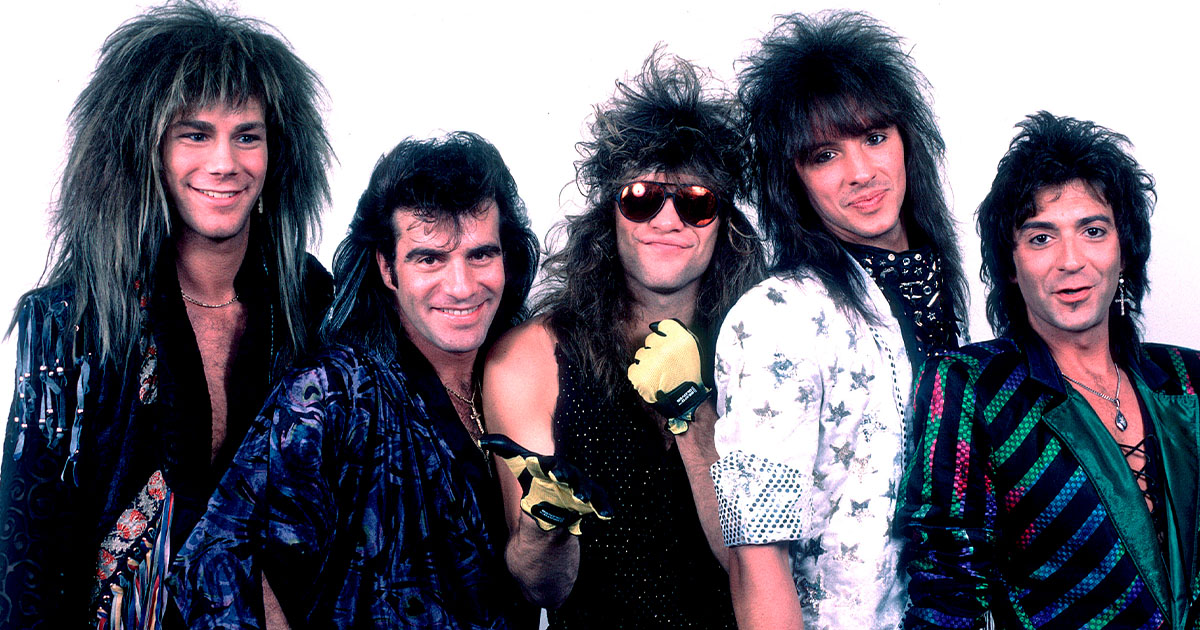
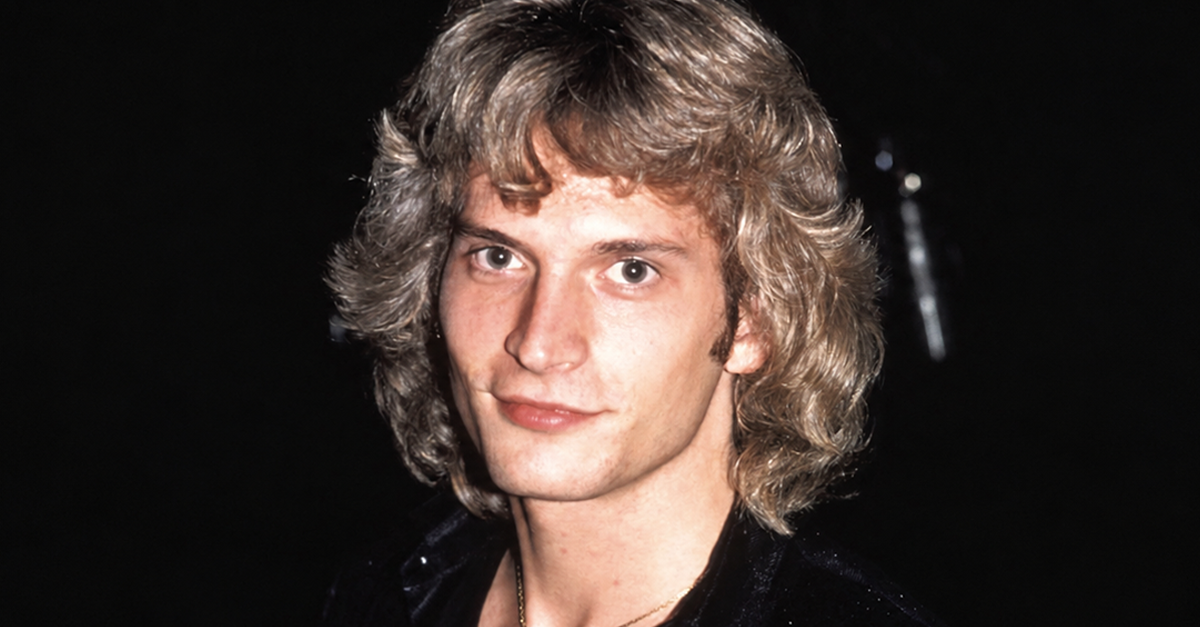
Hanoi Rocks were poised to be the next powerhouse of 80s rock when a devastating car crash stopped them in their tracks.

Hanoi Rocks were on the doorstep of becoming the next superstars of rock when unthinkable tragedy struck.
January 28, 2026 J. Clarke

If 2016 Is Really Making A Comeback, These Songs Are Non-Negotiable

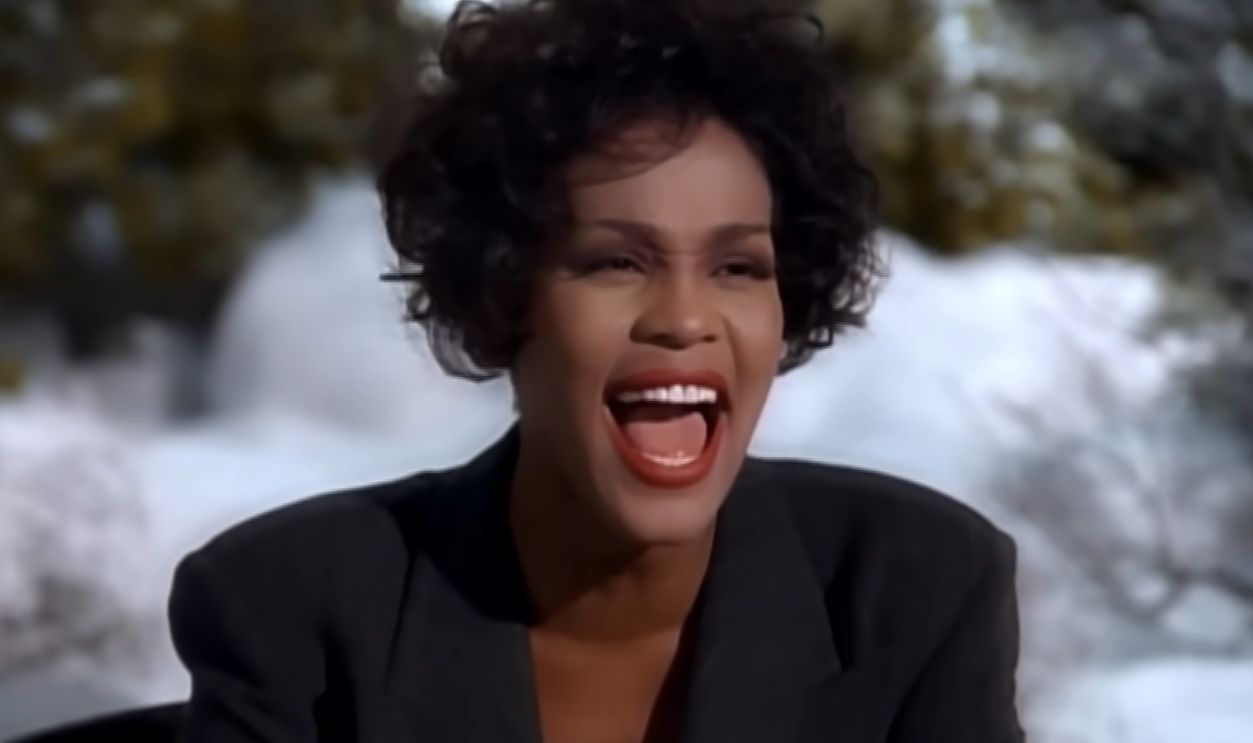
Some years don’t fade—they hover. And 2016 is one of those years that still shows up uninvited, sliding into your playlists like it pays rent. If the cultural mood is looping back (again), then the soundtrack has to come with it: the pop confessionals, the late-night bangers, the gleeful earworms, the songs that made you text someone you absolutely should not have texted. Here are the 21 tracks that defined the year—and if 2016 is truly returning, they’re not optional.
January 28, 2026 J. Clarke

When Johnny Cash refused to censor his Vietnam protest songs, he risked his career to keep his conscience.

Johnny Cash never pretended to be neutral. While much of Nashville tried to tiptoe around the Vietnam War, Cash walked straight into it—boots first, guitar slung low, and conscience fully intact. At a time when protest could cost you radio play, sponsors, and even your career, Cash decided that silence felt worse.
January 27, 2026 Jane O'Shea

Bands Too Strange, Too Loud, Or Too Ahead Of Their Time For Radio

These bands were so far ahead of their time, commercial radio couldn't keep up with them.

Advertisement

January 27, 2026 J. Clarke

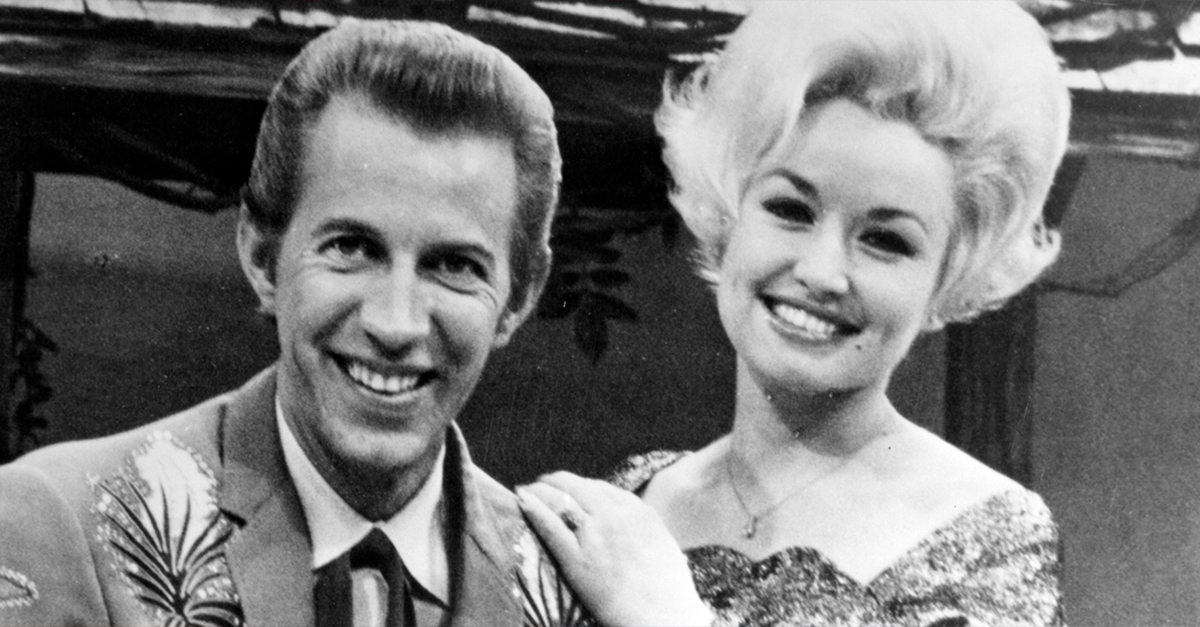
Loretta Lynn was banned from radio for “The Pill,” but her defiance helped pave the way for future female country stars.

Country music has never been short on heartbreak, sin, or scandal—but for decades, it preferred those topics safely filtered through male voices. Then Loretta Lynn showed up and started singing about women’s lives the way women actually lived them. When she released “The Pill,” the genre wasn’t just uncomfortable—it panicked. The backlash was fierce, the bans were real, and the conversation she sparked never stopped echoing.
January 27, 2026 J. Clarke

The Songs That Created Hip Hop Culture As We Know It

Hip-hop didn’t arrive like a neatly packaged genre with a mission statement. It showed up loud, clever, and hungry—built out of whatever people had on hand: turntables, records, speakers, and a need to turn the neighborhood into a party. Then it grew up fast. It learned how to tell the truth, how to boast, how to crack jokes, how to mourn, how to protest, and how to reinvent itself every time someone tried to trap it in a box.
January 24, 2026 J. Clarke

When Marvin Gaye recorded “What’s Going On,” Motown executives hated it—until it became the conscience of a generation.

By the time What’s Going On reached the public, it didn’t just sound different from everything else on the radio—it felt different. It asked questions pop music wasn’t supposed to ask. It worried. It listened. And most shockingly of all, it came from Marvin Gaye, Motown’s smoothest romantic voice, the man who’d made a career out of sounding effortlessly in love.
January 21, 2026 J. Clarke

When Garth Brooks walked away from stardom to raise his daughters, he wrote one of the most unusual happy endings in country music history.

There are plenty of stories in country music about careers that burned out too fast, egos that imploded, and legends who never knew when to stop. Garth Brooks somehow managed to write the opposite kind of ending—one where walking away became the boldest move of all. At the height of his fame, with stadiums still selling out and records still flying off shelves, Brooks made a decision that baffled the industry and quietly rewrote what success could look like.
January 20, 2026 J.D. Blackwell

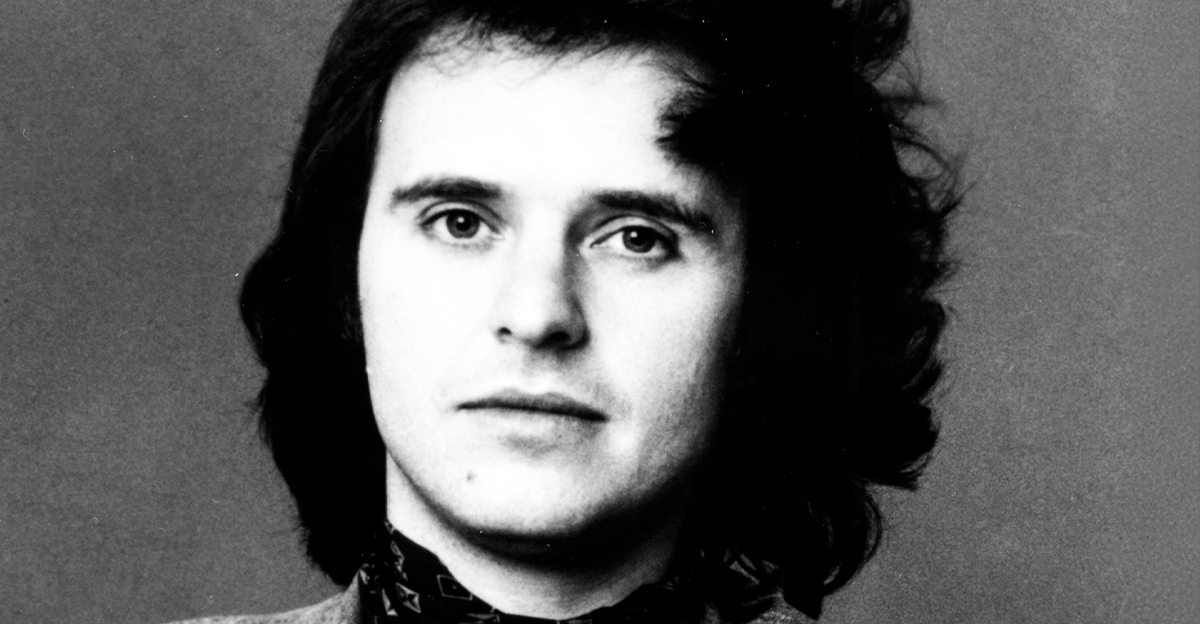
Janis Joplin’s manager Albert Grossman took out a life insurance policy on her. After Joplin died, he collected $112K.

The death of Janis Joplin was a tragedy, and it led to one of the most unusual legal disputes in the music world.
January 16, 2026 J. Clarke

When Phil Collins lost his marriage to fame, his heartbreak poured into “In The Air Tonight,” the song that still defines him.

Some songs feel like diary entries accidentally left on the radio. “In The Air Tonight” is one of those rare tracks that sounds less like a hit single and more like a private meltdown set to echoing synths and a famously delayed drum fill. By the time Phil Collins released it in 1981, he wasn’t trying to reinvent pop music—he was trying to survive the wreckage of his personal life. What came out instead was a haunting anthem that turned private heartbreak into public mythology and permanently fused Collins’ name to four minutes of restrained fury.


THE SHOT

Enjoying what you're reading? Join our newsletter to keep up with the latest scoops in entertainment.

Breaking celebrity gossip & scandals

Must-see movies & binge-worthy shows

The stories everyone will be talking about

Thank you!

Error, please try again.