The Question I Had to Ask
I stared at that script until the words blurred. Finally, I looked up at Amanda. 'The other men,' I said. 'You said Elena hired you for other people. Did any of them ever find out?' Amanda's face changed. She looked away, out the parking lot window, watching a mother load groceries into her car. The silence stretched between us, and I knew. I knew before she said anything. 'I shouldn't have mentioned that,' she said quietly. 'It's not my business.' 'Please,' I said. 'I need to know if I'm the only one.' She gripped her coffee cup tighter. 'I only did work for one other guy before you. I don't know his name—she never told me. But I overheard her on the phone once, after one of the jobs. She was talking to someone about how he'd 'passed perfectly' and how she 'had her answer now.'' Amanda paused, choosing her words carefully. 'I didn't think much of it at the time. But a few months later, she hired me for the first job with you, and I remember thinking it was weird that she'd moved on to someone new so quickly.' Finally, she whispered: 'There was one guy, about a year before you—I heard Elena stopped seeing him right after he passed the test.'
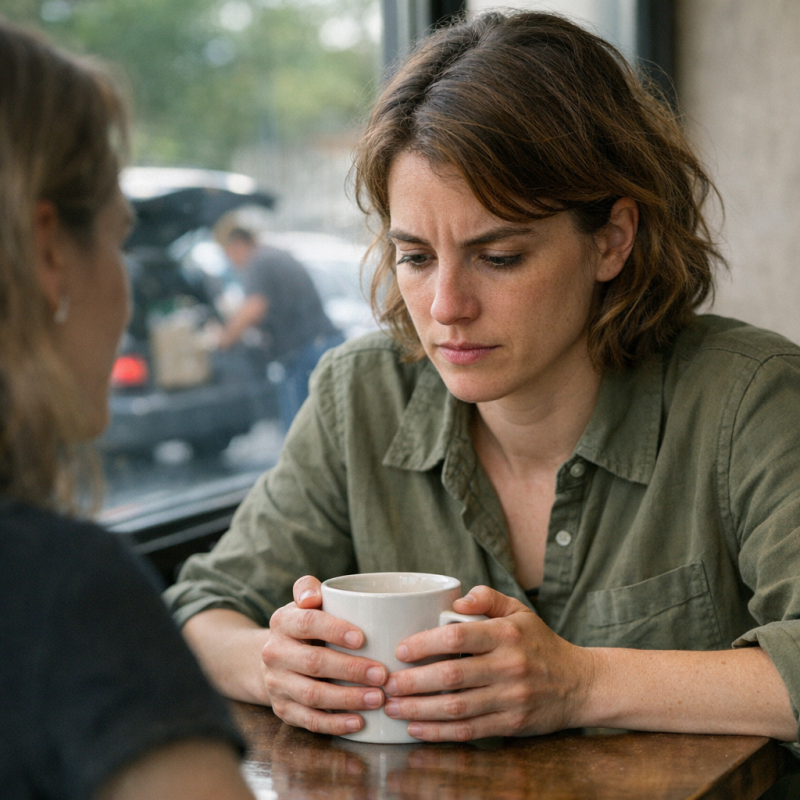 Image by FCT AI
The Lawyer Who Listened
The lawyer's office smelled like expensive furniture polish and old books. I'd found him through a friend's recommendation—someone who specialized in 'complex domestic situations,' which felt like a polite way of saying 'marriages that have gone completely off the rails.' I showed him everything: the screenshots, the script, Amanda's testimony. He listened carefully, took notes, asked clarifying questions. Then he leaned back in his chair and gave me the news I didn't want to hear. 'Mr. Harrison, I understand how violated you feel. But in terms of the law, your wife hasn't committed adultery, hasn't stolen from you, hasn't done anything that family court typically considers grounds for fault-based divorce. Emotional manipulation, surveillance within your shared home, hiring people to test you—these are morally troubling, but they're not against the law.' My heart sank. 'So what do I do?' He tapped his pen on his note pad. 'You document everything from this point forward. You prepare for a no-fault divorce and protect your assets. You act normal until you're ready to file.' As I was leaving, the lawyer said: 'Document everything from this point forward—and whatever you do, don't let her know you're planning to leave.'
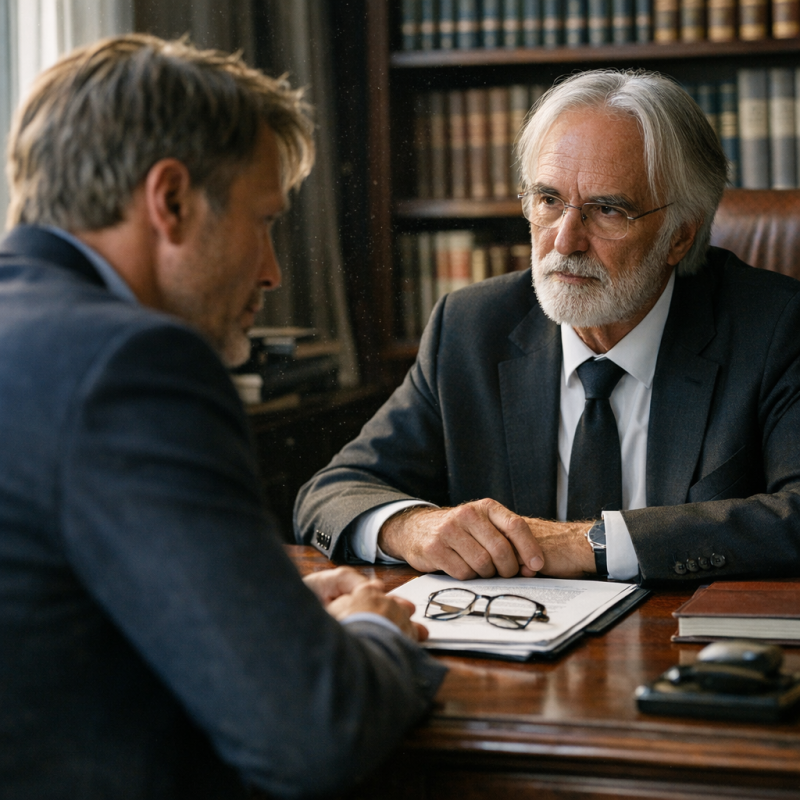 Image by FCT AI
The Dinner That Felt Like Theater
I made her favorite pasta that night—the one with the sundried tomatoes she always requested for special occasions. She came home from work with flowers, which she never did, and kissed me like we were still in our honeymoon phase. We ate at the dining table instead of in front of the TV, and she asked about my day with genuine interest, laughing at my stories, touching my arm at all the right moments. It should have felt perfect. It should have felt like the marriage I'd always wanted. But I couldn't stop analyzing every gesture, every smile, every perfectly timed laugh. Was this real affection, or was she simply pleased that I'd maintained my loyalty scores? When she talked about her day, I found myself wondering if any of it was true or just more elaborate fiction. The woman across from me looked like my wife, sounded like my wife, but I felt like I was having dinner with a stranger wearing Elena's face. She reached across the table and took my hand, her eyes full of warmth, and I wondered: was this love, or just satisfaction that her data remained clean?
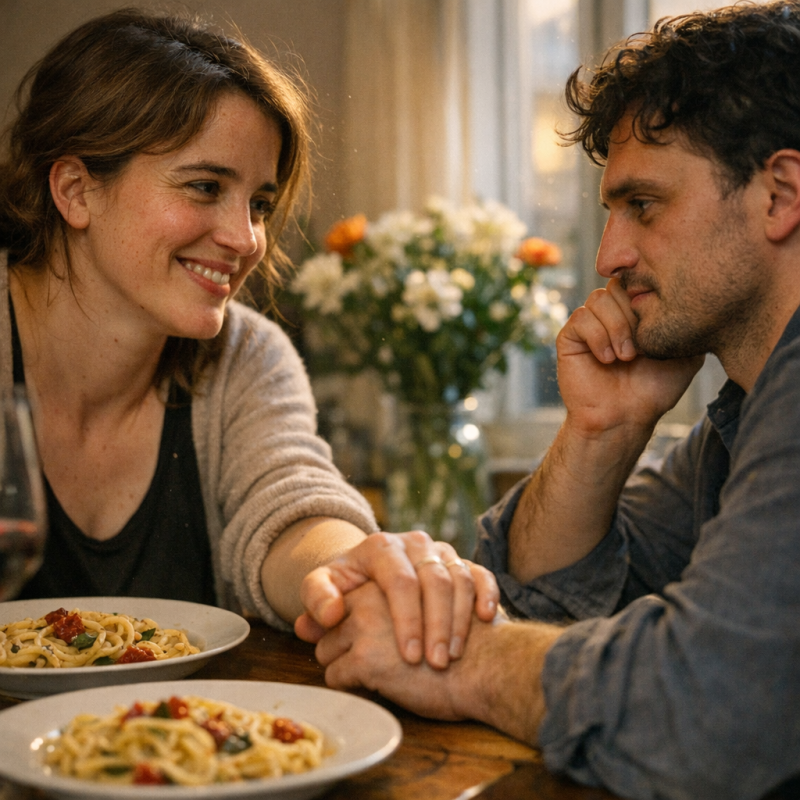 Image by FCT AI
The Files I Finally Accessed
The password cracker ran for six hours before it finally broke through. I sat there at 2 AM, Elena asleep upstairs, staring at the contents of the 'Project Loyalty' folder. There were spreadsheets. Dozens of them. Each tab represented a different test, with columns for date, location, test administrator, scenario type, and outcome metrics. There were psychological profiles of me—assessments of my attachment style, my conflict avoidance tendencies, my relationship with my mother. She'd analyzed me like I was a lab specimen. There were comparison charts showing how I ranked against something called 'baseline male response patterns.' She'd categorized my reactions, quantified my fidelity, reduced six years of marriage to data points and percentages. My hands shook as I scrolled through document after document. This wasn't just about testing me once or twice. This was systematic. This was research. At the bottom of the main document was a section titled 'Endgame Criteria'—and my name appeared under 'Pending Final Assessment.'
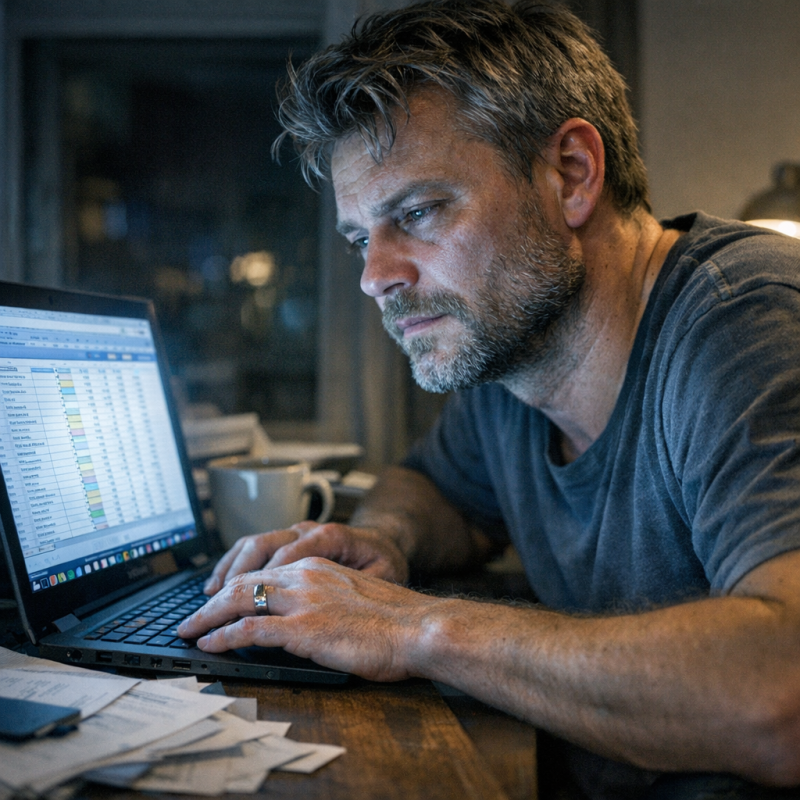 Image by FCT AI
The Scoring System
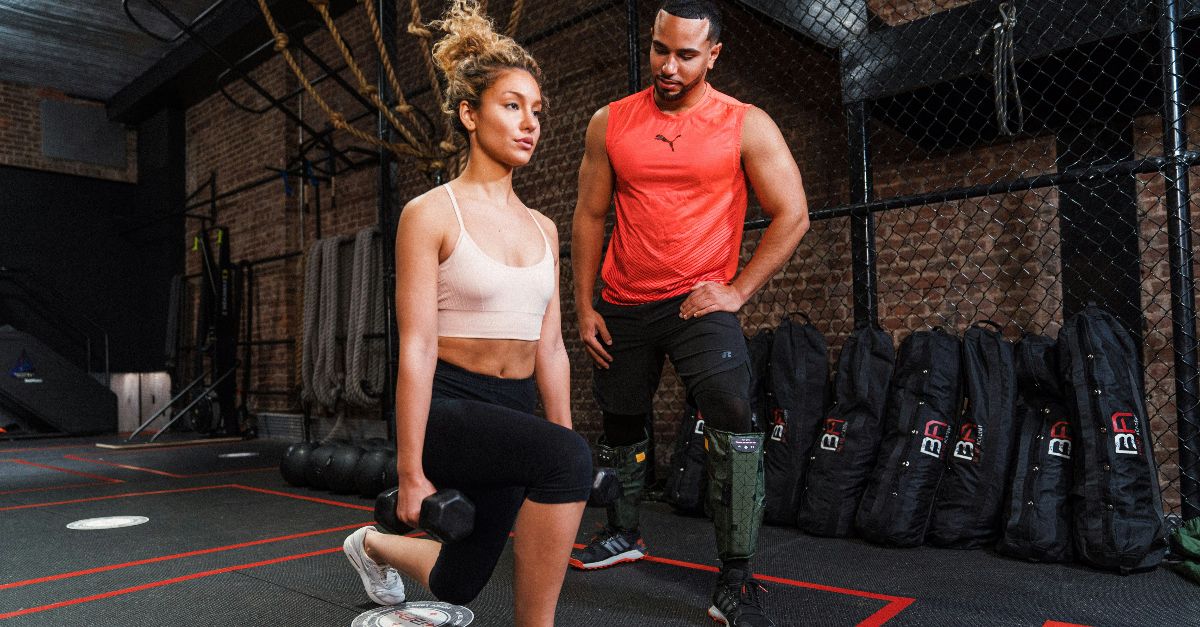
The scoring system was brutal in its precision. She'd created categories for everything: 'Immediate Refusal of Advances,' 'Eye Contact Management,' 'Physical Distance Maintenance,' 'Mention of Spouse,' 'Excuse Authenticity,' 'Emotional Resistance,' and 'Follow-up Behavior.' Each category was weighted differently. Immediate refusal was worth the most points, while follow-up behavior—whether I'd mentioned the encounter to her—carried less weight but still mattered. She'd documented every test with clinical detachment. The coffee shop: 82 percent. The work conference: 91 percent. The gym: 87 percent. She'd noted where I'd succeeded and where I'd shown 'concerning hesitation.' There were comments in red: 'Maintained eye contact too long before refusing,' 'Smile suggested openness to flirtation,' 'Did not mention wife until prompted.' I felt sick reading her assessment of my body language, my word choices, my facial expressions. According to her metrics, I'd scored 87 percent across seven tests—but the threshold for 'acceptable long-term partner' was 90 percent.
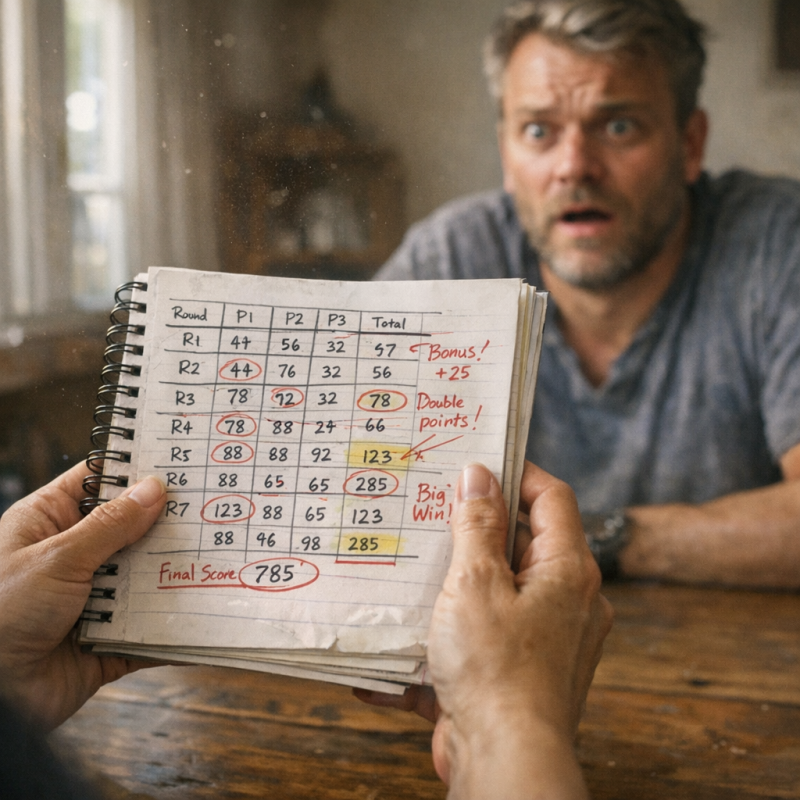 Image by FCT AI
The Timeline of My Marriage
I pulled up our relationship timeline and started matching dates. The first test—the one at the coffee shop near my office—happened two weeks before I proposed. The second test occurred a month before our wedding. Test three: right before we signed the mortgage on our house. Test four: before I agreed to move across the country for her job opportunity. Every single test aligned with a major relationship milestone, a moment when Elena was about to commit to something bigger. She wasn't testing me randomly. She was vetting me before every escalation, like someone checking structural integrity before adding another floor to a building. The pattern was so clear I couldn't believe I'd missed it. Each time our relationship was about to deepen, she'd sent someone to verify I was still worth the investment. I felt the room spin as I looked at the most recent entry. The last test—the gym—happened exactly one week before we were supposed to start trying for a baby.
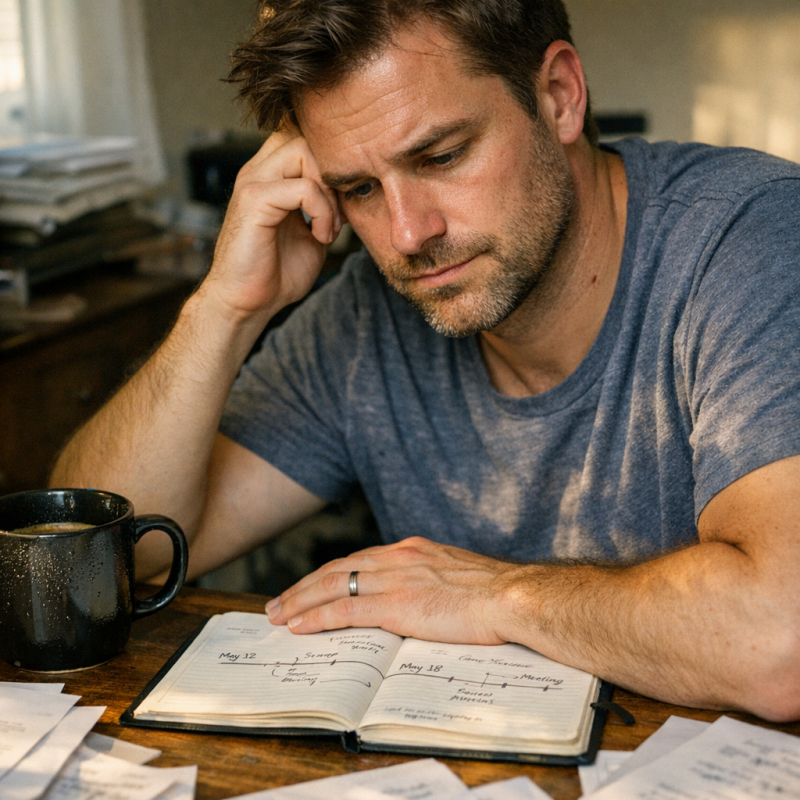 Image by FCT AI
The Conversations I Recorded
I started keeping my phone in my shirt pocket with a recording app running. The lawyer had said to document everything, and I needed evidence beyond screenshots—I needed her voice, her words, something that might reveal what she was really thinking. The first two recordings were painfully mundane: grocery lists, weekend plans, a discussion about her mother's birthday gift. But I kept the app running during every conversation, hoping she'd slip up. On the third day, we were doing dishes together, and she got quiet in that thoughtful way that used to make me feel close to her. Then she asked, completely out of nowhere: 'Do you ever wonder if people can truly know each other?' I nearly dropped the plate I was washing. 'What do you mean?' I asked carefully. She shrugged, staring out the window. 'Just... I've been thinking about trust lately. How we choose to believe in people even though we can't really see inside their heads.' On the third recording, she asked out of nowhere: 'Do you ever wonder if people can truly know each other?'
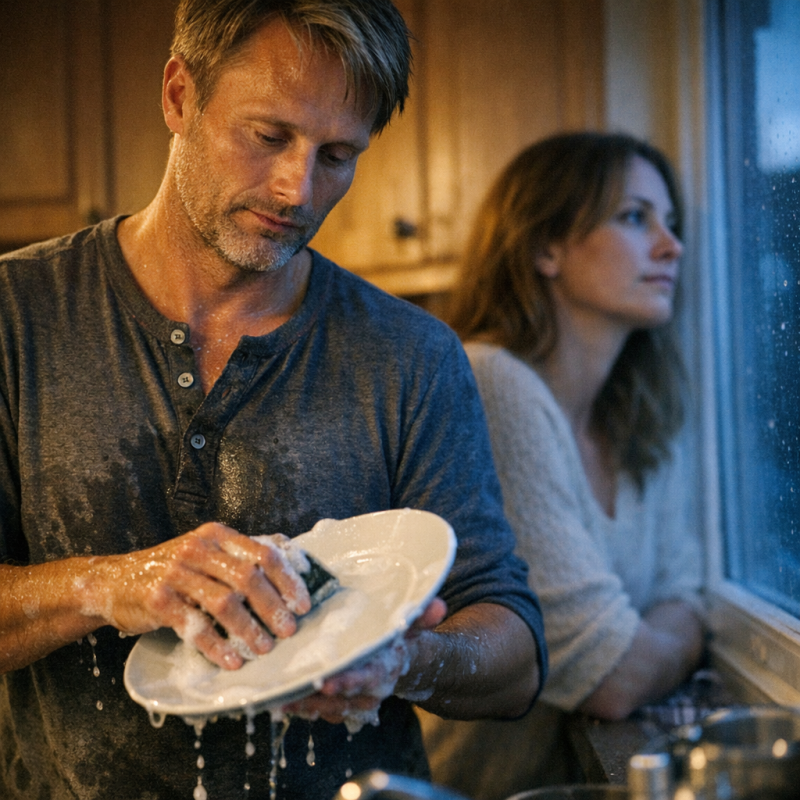 Image by FCT AI
The Night I Almost Broke
Three weeks of pretending was destroying me from the inside. I smiled when I wanted to scream. I kissed her goodnight when I wanted to demand the truth. I made small talk about my day when I wanted to ask why she'd turned our marriage into a research project. That night, something inside me finally cracked. She was in the bedroom, getting ready for bed, humming to herself like everything was perfectly normal. I stood at the bottom of the stairs, rage building in my chest, every careful word I'd rehearsed with the lawyer evaporating in the heat of my anger. I climbed the stairs. Each step felt like crossing a line I couldn't uncross. I reached the bedroom doorway, ready to confront her with everything—the files, the tests, the scoring system, all of it. But then I saw her laptop open on the dresser, and my eyes caught on the document title displayed on the screen. I stood in the doorway, words ready to explode—but then I saw her laptop open to a new document titled 'Final Verification Protocol.'
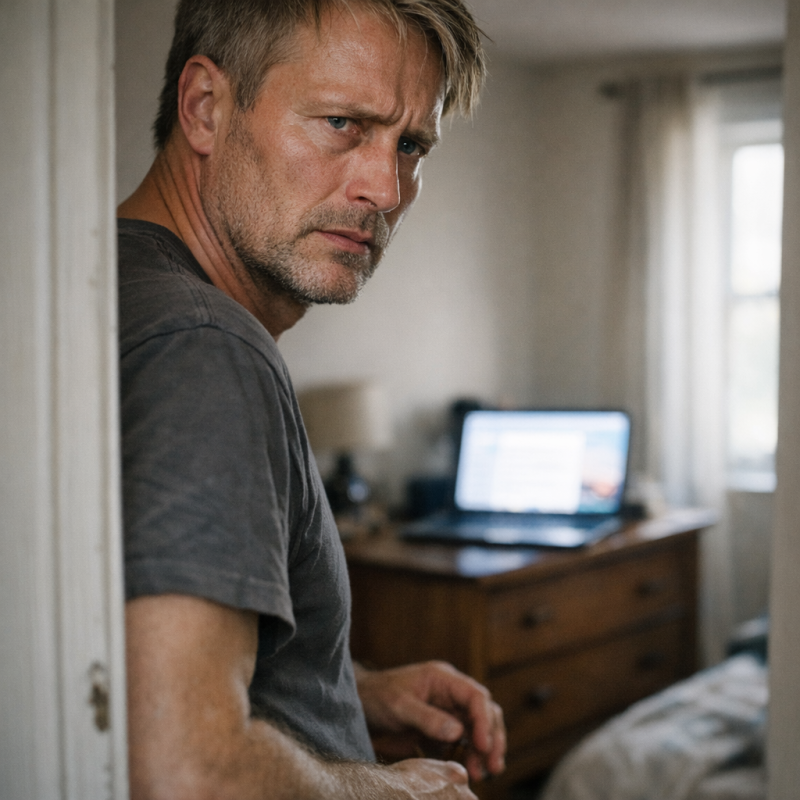 Image by FCT AI
The Final Test Preparation
I waited until she was in the shower the next morning, then photographed every page of the document. This test was different from the others—more elaborate, more expensive, more planned. She'd outlined a scenario at an upcoming marketing conference in Denver, one she'd been encouraging me to attend for weeks. Now I understood why. She'd arranged for someone named 'Candidate Verification Specialist—Michelle R.' to approach me at the hotel bar on the second night. The script was three pages long, detailing conversation topics, escalation strategies, and contingency responses. She'd budgeted $2,000 for this test alone. The specialist had instructions to suggest moving to a private location if I showed 'promising resistance metrics.' There were notes about timing, about my likely emotional state after a long conference day, about patterns of drinking. Every variable had been considered. The note at the end made my blood run cold: 'If score remains below 90 percent, recommend termination of relationship before biological commitment.'
 Image by FCT AI
The Conference That Wasn't Random
The Denver conference was in two weeks, and Elena kept bringing it up casually—how good it would be for my career, how I should definitely go, how she'd already booked me a room at the conference hotel. I told her I'd think about it, watching her face for any tells. She smiled encouragingly, completely unaware that I'd read her entire plan. I registered for the conference. I booked the flight. I packed my suitcase while she gave me advice about networking opportunities. On the plane, I reviewed everything I knew about her methodology, her scoring system, her scripts. I knew exactly what was coming. The first day of the conference passed normally—panels, networking lunches, the usual professional rituals. That evening, I went to the hotel bar as planned, ordered a drink, and waited. I didn't have to wait long. At the hotel bar, a woman approached with a familiar confidence—and I knew before she even spoke that Elena had sent her.
 Image by FCT AI
The Test I Controlled
She was polished, articulate, striking in that carefully casual way that suggested effort disguised as ease. She introduced herself as Jessica, asked if the seat next to me was taken, commented on the conference keynote. All of it felt rehearsed because I'd literally read the script. So I did something Elena wouldn't expect—I started asking questions. 'How long have you been in this field?' Normal enough. Then: 'Are you staying at this hotel?' Still reasonable. But then: 'It's interesting timing, running into someone at exactly this moment. Almost like it was planned.' Her smile flickered. I kept my tone light, curious, friendly. Just making conversation. But I watched her face carefully, saw the micro-expressions of someone following a plan that was suddenly going off-script. She recovered quickly, laughed it off, steered back to safer topics. I let her, playing along while mentally cataloging every detail. Then I leaned in slightly, matched her energy, and asked the question I'd been building to. I asked her how she knew I'd be here, and for the first time, I saw genuine confusion cross her face—Elena hadn't told her I might ask questions.
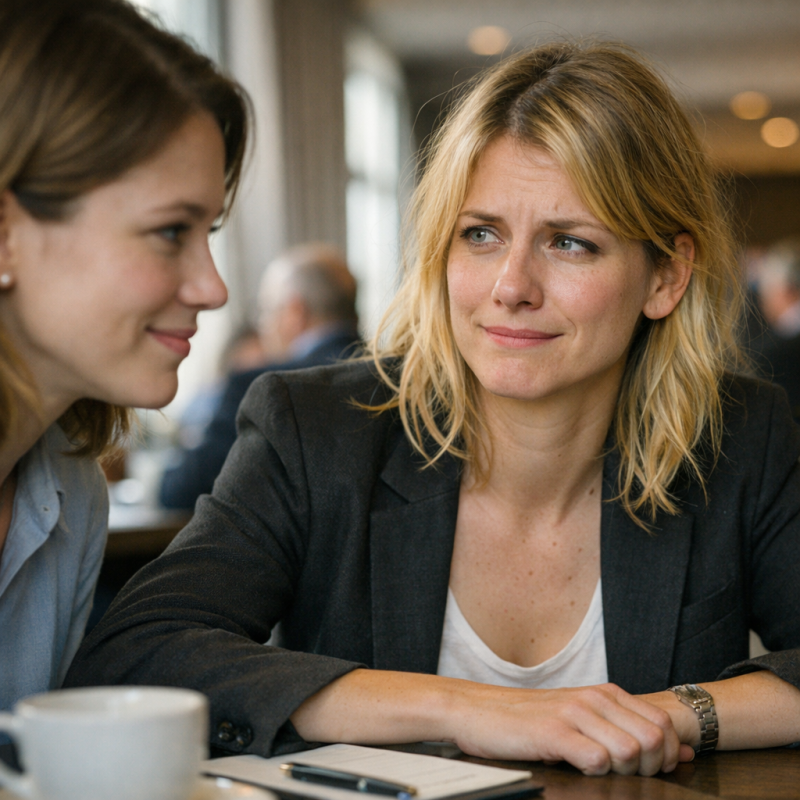 Image by FCT AI
The Woman Who Wanted Out
Jessica's composure cracked. Not completely, but enough that I knew I'd hit something real. She looked down at her drink, and when she looked back up, there was something almost relieved in her expression. 'Look,' she said quietly, 'I'm not really comfortable with this.' That's when everything shifted. She told me she'd been hired for similar 'jobs' before—Elena had used her services three times over the past few years. Each time, the instructions had been more detailed, more invasive. This time, Elena had sent her a full dossier on me: my habits, my tells, my vulnerabilities. Jessica said the whole thing had started to feel wrong, like she was participating in something that went beyond harmless reassurance. 'She's very thorough,' Jessica said, and there was discomfort in her voice. 'Very specific about what she wants measured.' I felt my stomach turn. This wasn't just trust issues. This was surveillance dressed up as love. Then Jessica did something that made it all worse. She pulled out her phone and showed me the most recent message from Elena: 'Escalate physical proximity. Need to measure physiological response.'
 Image by FCT AI
The Video Elena Didn't Know About
I stared at that message for a long moment, feeling disgust wash over me. Elena wasn't just testing whether I'd stay faithful—she was trying to quantify my physical reactions, measure my biological responses like I was a lab subject. I made a decision right there. 'Would you be willing to help me?' I asked Jessica. 'Record this conversation from your perspective? Show exactly how this was set up?' She hesitated, clearly weighing the ethics of betraying a client against the ethics of what she'd been asked to do. Finally, she nodded. 'This has gone too far,' she said. She positioned her phone discreetly, captured our conversation, documented the messages Elena had sent her. I made sure to speak clearly about feeling manipulated, about discovering the pattern of tests. Evidence. Proof that I wasn't paranoid, that this was real and calculated. When we finished, Jessica looked almost grateful to be out of it. She stood to leave, and I thought that was the end. But at the last moment, she turned back. She agreed to help me, but as she was leaving, she said: 'Be careful—Elena called me three times today asking for updates. She's watching closer than you think.'
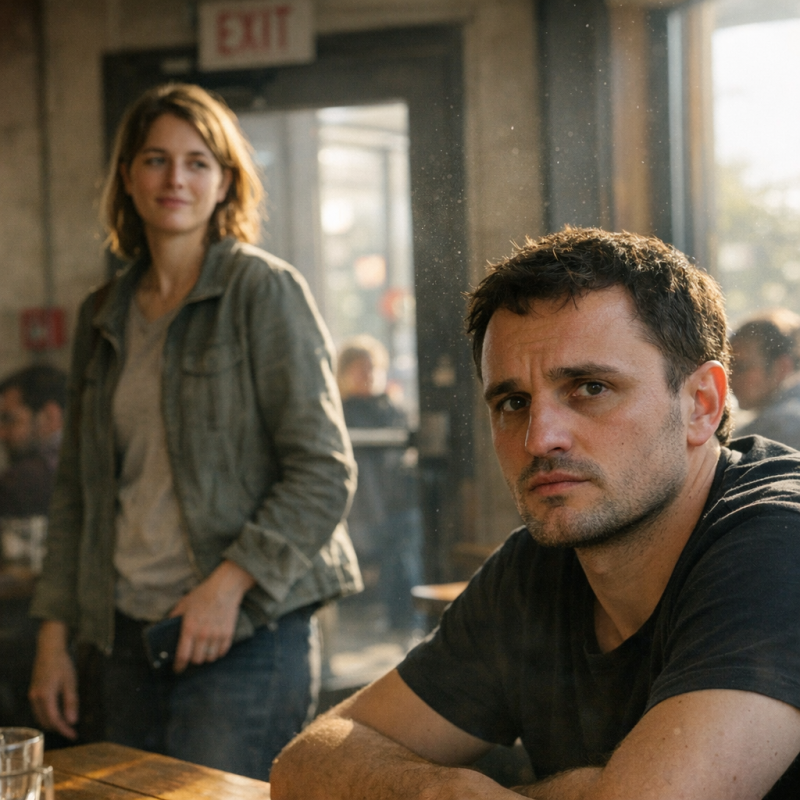 Image by FCT AI
The Phone Call That Changed Tone
Elena called that night while I was in my hotel room, reviewing the video Jessica had sent. Her voice was bright, cheerful, asking about the conference sessions, whether I was networking, how the hotel was. Normal wife checking in on her traveling husband. Except now I could hear the subtext beneath every question. I decided to test something. 'It's been good,' I said casually. 'Met some really interesting people.' The pause on the other end was barely perceptible, but I caught it. 'Oh?' Her tone was still light, but there was an edge now. 'Anyone I should know about?' I smiled at the wall. 'Just people. You know how these conferences are—everyone's so open and friendly.' Another pause, longer this time. I could almost hear her mind racing, trying to decode whether I was being genuine or whether I knew something. She asked about the sessions again, circling back, trying to regain control of the conversation. I gave her enough to seem normal but kept my answers just vague enough to unsettle her. The power dynamic was shifting, and I could feel it. When I mentioned grabbing drinks with 'new colleagues,' her voice got tighter. There was a long pause before she asked, too carefully: 'What kind of interesting?'
 Image by FCT AI
The Return Home
I flew home two days later, and Elena was waiting at the airport. The moment I saw her, I noticed the difference. She was smiling, but her eyes were scanning my face like she was trying to read code. She hugged me immediately, asked rapid-fire questions about the trip, laughed a little too enthusiastically at my bland conference anecdotes. At home, it got more intense. She stayed close, physically closer than usual, watching me when she thought I wasn't looking. I unpacked while she sat on the bed, asking about every detail—who I'd met, what sessions I'd attended, whether I'd enjoyed the hotel bar. That last question hung in the air a moment too long. I turned to look at her, and for just a second, I saw naked fear in her expression. Not anger, not suspicion—fear. It clicked then. She wasn't afraid I'd failed her test. She was terrified I'd discovered it. I walked over and hugged her, and she clung to me with an intensity that felt desperate. The control freak who'd orchestrated elaborate tests was suddenly vulnerable, scared. She hugged me tightly, almost desperately—and I realized she was terrified, not of me failing her test, but of me knowing about it.
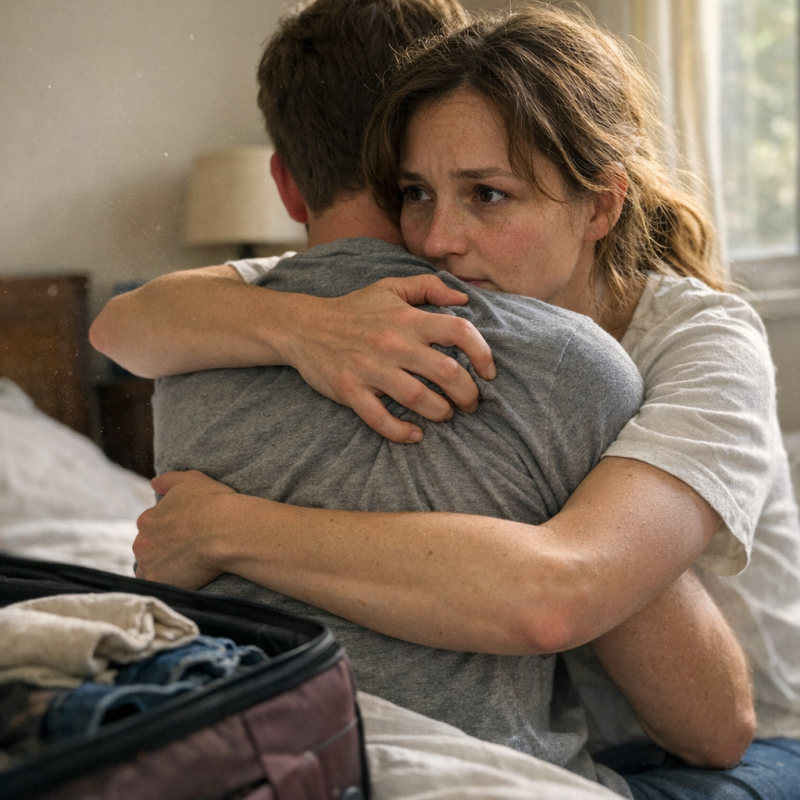 Image by FCT AI
The Sister's Warning
Claire called me three days later. 'We need to talk,' she said, her voice urgent in a way I'd never heard before. She asked to meet for coffee, said it was about Elena. When we sat down, Claire looked exhausted, like she'd been carrying something heavy for too long. 'I've been worried about her,' she started. 'About both of you, really. There's something you should know about our family.' That's when she told me about their mother. How she'd been betrayed by their father when they were young, how the infidelity had destroyed her, how she'd spent years afterward testing and surveilling their father obsessively. Elena had been twelve when it started, old enough to watch the whole toxic spiral. 'Mom would set up situations, hire people, check his phone constantly,' Claire said. 'It was awful. Dad eventually left because he couldn't live under that scrutiny.' I felt pieces clicking into place. 'Elena saw all of it?' Claire nodded. 'She watched Mom's paranoia consume everything. I thought Elena would learn to never become that. But now I'm scared she learned the wrong lesson—that testing is protection.' Claire's voice broke: 'My mom used to test my dad constantly, and Elena watched it destroy them—I always worried she learned the wrong lesson.'
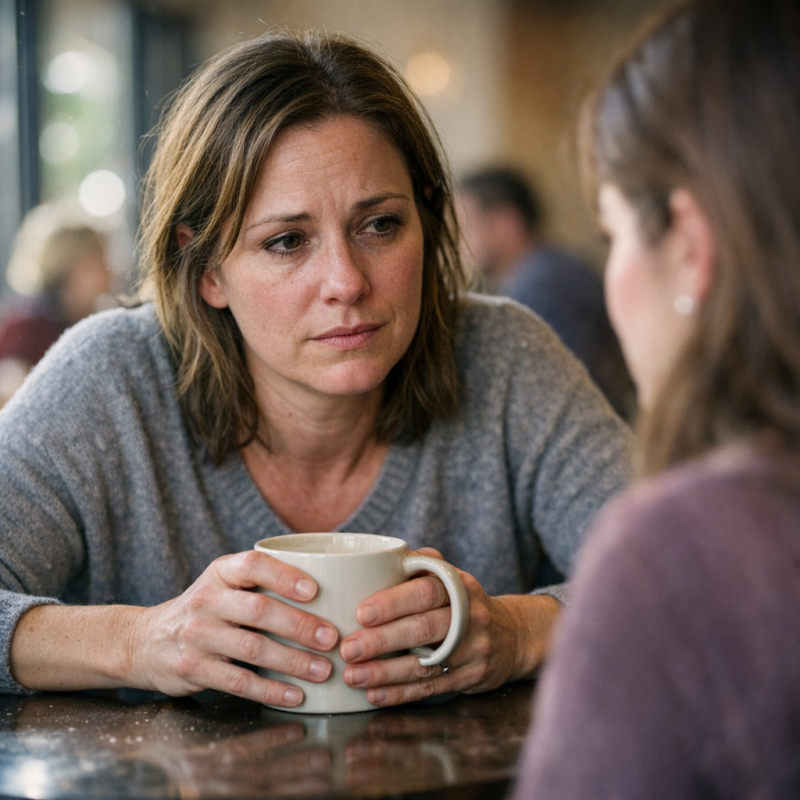 Image by FCT AI
The Therapist's Notes
I went looking after that conversation with Claire. Not to snoop exactly, but to understand. In Elena's home office, tucked in a drawer beneath old tax returns, I found a folder of papers from a therapist's office dated four years ago. My hands shook as I read through them. Elena had sought help for what the therapist called 'relationship anxiety and maladaptive trust-seeking behaviors.' The notes documented sessions where Elena described her mother's marriage, her own fears, her need to 'establish certainty' in relationships. The therapist had been direct: these behaviors would damage any partnership, trust cannot be empirically proven, the testing would only escalate. There were recommendations for continued cognitive behavioral therapy, suggestions for couples counseling, prescriptions for anxiety medication. And then the sessions just stopped. The final page was a termination note, and reading it made my chest tight. Elena had told the therapist she'd found 'better methods' for managing her concerns, that she didn't need treatment because she had a 'systematic approach' that worked. The last entry was chilling: 'Patient refuses to accept that trust cannot be quantified. Recommended continued treatment. Patient declined.'
 Image by FCT AI
The Plan to Confront
I spent the next week gathering everything. I organized the documents from the storage unit, the messages from Jessica, the video evidence, the therapy notes, the testimonies I'd collected from Elena's accomplices. I mapped out the timeline of all seven tests, printed screenshots, compiled a comprehensive record of everything she'd done over six years. This wasn't about revenge. It was about truth. About confronting her with undeniable evidence so she couldn't deflect or minimize or gaslight me into doubting my own perception. I planned exactly how I'd present it—calmly, methodically, giving her space to explain but not to escape accountability. I rehearsed what I'd say, how I'd stay centered even if she got defensive. I chose a Saturday morning when we'd both be home, when there'd be time for a real conversation without work interruptions. I set everything up in the dining room the night before—folders arranged in chronological order, evidence laid out like a prosecution case. My hands were steady as I organized it all. I felt sad but resolved, clear about what needed to happen. I arranged everything—the documents, the recordings, the witness statements—but the night before the confrontation, Elena did something I never expected.
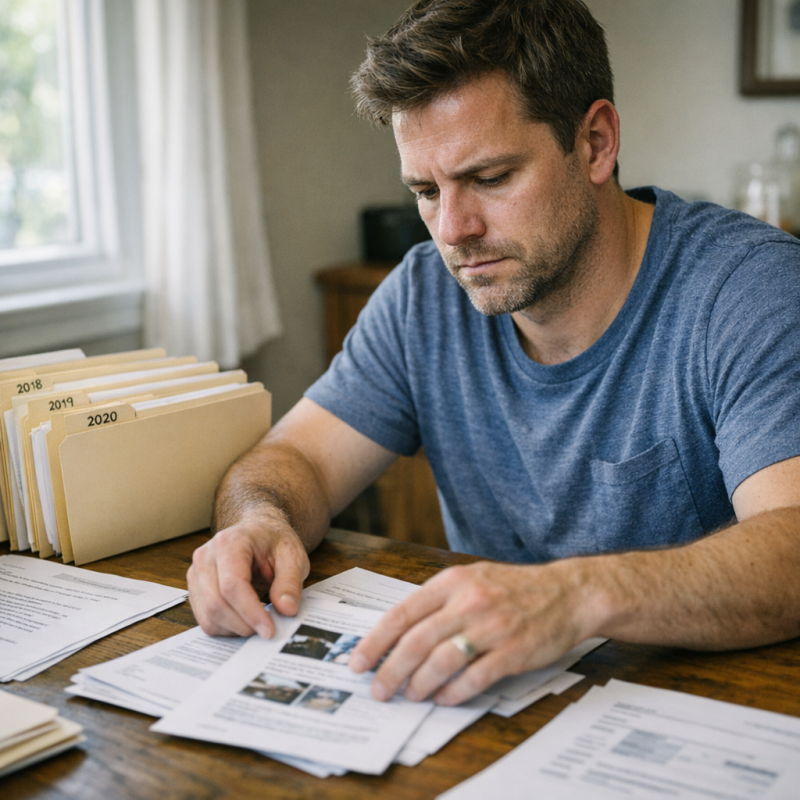 Image by FCT AI
The Confession I Didn't Ask For
I woke up Saturday morning ready to confront her with everything I'd prepared. But when I walked into the dining room, Elena was already there, sitting at the table where I'd left all my evidence the night before. She looked up at me with red, swollen eyes. 'I know what you found,' she said quietly. My heart started racing. I hadn't expected this—I'd planned to control the conversation, to present the facts methodically. 'Nathan, I need to tell you something before you say anything.' Her voice was shaking. She admitted she'd been 'checking' on me throughout our relationship. Not testing, she kept saying—checking. Making sure I was who I said I was. Protecting herself from getting hurt. She talked about trust issues, about past betrayals, about how she couldn't help needing to verify things. The tears were real, I could tell. She looked genuinely tormented. Part of me wanted to just hold her, to comfort her despite everything. Then she took a breath and said something that changed the entire scope of what I thought was happening. Through tears, she said she knew it was wrong, but then she added something that made my stomach drop: 'And I'm not the only one—there are others like me.'
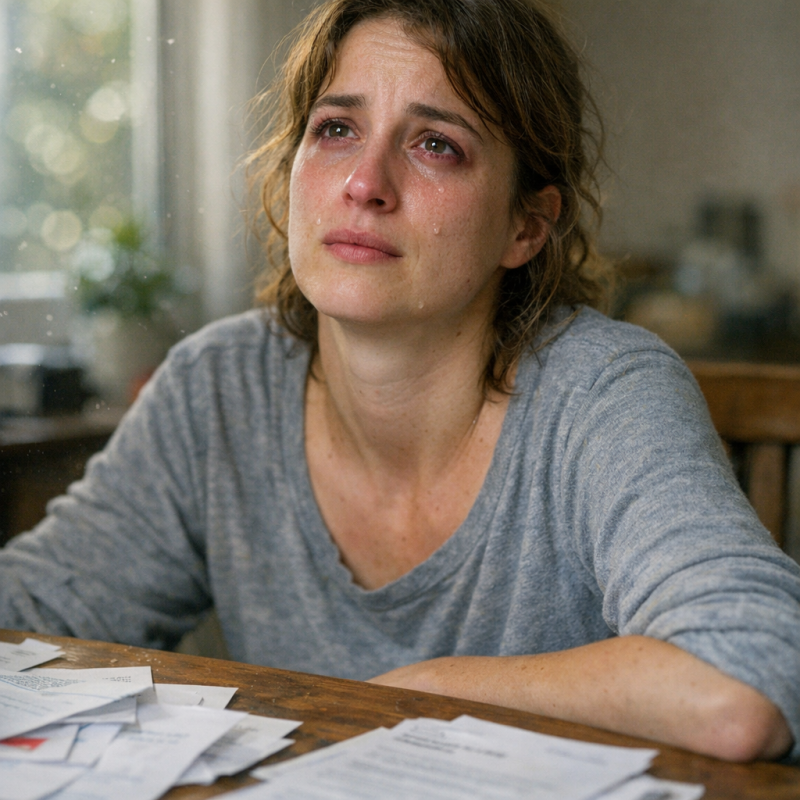 Image by FCT AI
The Forum I Wish Didn't Exist
She pulled out her laptop with trembling hands and showed me a private forum. It had thousands of members. The header read 'Proactive Relationship Verification Community.' I felt sick as I started reading through it. People were sharing detailed strategies for testing their partners without getting caught. There were templates for creating fake social media profiles. Scripts for what the 'tester' should say. Advice on timing, frequency, escalation tactics. One thread was titled 'How to interpret micro-responses during loyalty checks.' Another was 'Celebrating successful verifications—share your clean test results!' The language was clinical, almost therapeutic. They talked about 'gathering data' and 'establishing baselines' and 'protecting your emotional investment.' Elena watched me scroll, waiting for me to understand. She'd been part of this community for eight years. She genuinely thought this was a form of self-care, a legitimate way to manage relationship anxiety. The forum had moderators, resources, even success stories from people who'd 'verified' their partners and felt secure enough to get married. I scrolled through hundreds of posts—people sharing scripts, comparing results, celebrating 'clean tests'—and realized Elena thought this was normal.
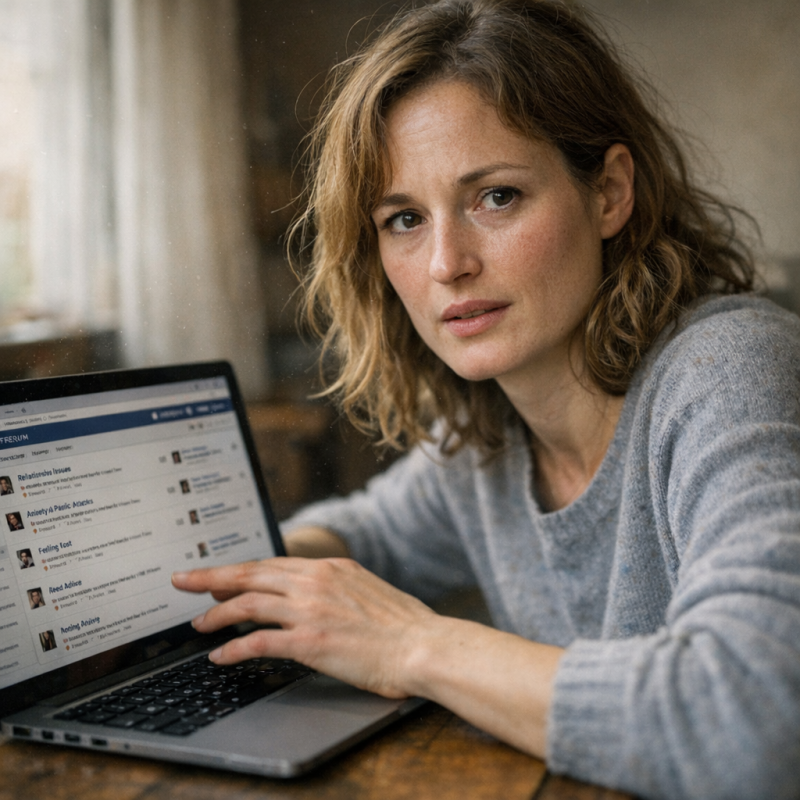 Image by FCT AI
The Line Between Love and Control
I closed the laptop and looked at her. 'Do you understand the difference between protecting yourself and controlling me?' I asked. My voice sounded steadier than I felt. She wiped her eyes, thinking carefully about the question. 'I was trying to know the truth,' she said. 'To make informed decisions about my life.' I shook my head. 'You were manipulating situations to get the responses you wanted. You were creating artificial scenarios without my knowledge or consent.' She looked genuinely puzzled by my reaction. 'But that's how you find out what someone's really like—when they don't know they're being observed.' The logic was so twisted I didn't know where to start. 'Elena, can you hear yourself? That's surveillance. That's treating me like a subject in an experiment.' She bit her lip, struggling to articulate something. 'I needed to feel safe,' she whispered. 'After everything I've seen, everything I've been through—I needed certainty.' I asked her again, more directly: 'Can you see the line between protecting yourself and controlling another person?' She looked at me with genuine confusion and asked: 'Isn't protection just control with good intentions?'
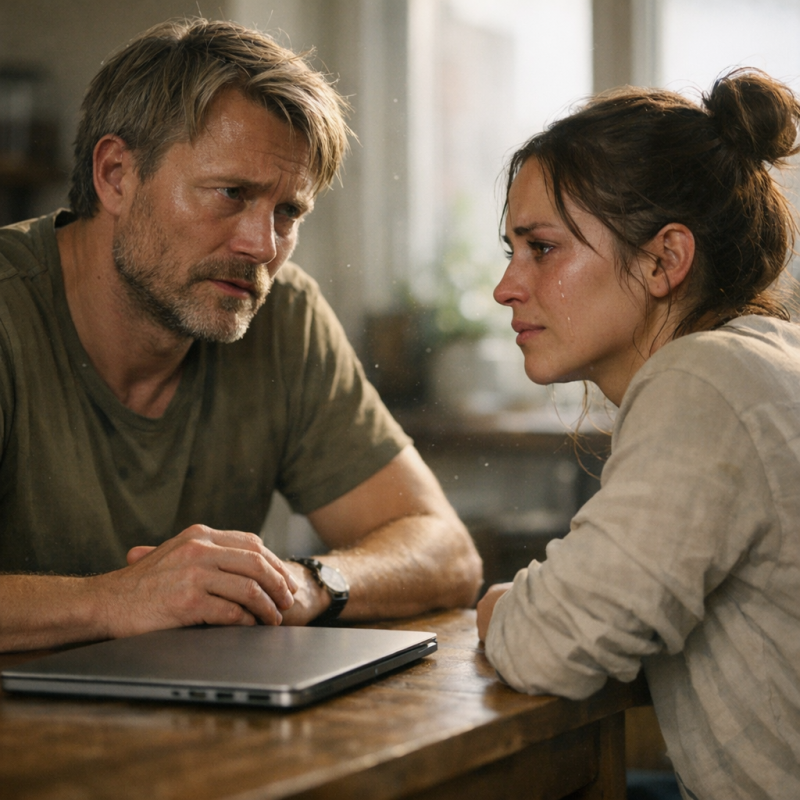 Image by FCT AI
The History She Finally Revealed
We sat in silence for a long moment. Then Elena started talking about her childhood in a way she never had before. Her mother had been consumed by paranoia, constantly accusing her father of affairs that never happened. Elena described coming home from school to find her mother going through her father's phone, his wallet, his car. The accusations got more elaborate, more detailed, more disconnected from reality. Her father eventually left when Elena was fourteen, not because he'd been unfaithful, but because he couldn't live under constant suspicion anymore. 'I watched her destroy everything because she couldn't trust,' Elena said. 'She had no evidence, just feelings and fear. And she lost him anyway.' Her voice cracked. 'I promised myself I'd never be like that—I'd never accuse without proof. I'd never rely on just feelings.' So she'd created a system instead. A methodology. A way to gather actual data rather than just spiral into paranoid speculation like her mother had. She thought she was being rational, scientific, protective of both herself and the relationship. She finished by saying: 'I thought I was being smarter than her—but maybe I just found a more organized way to push people away.'
 Image by FCT AI
The Previous Partners She Tested
Something occurred to me then. 'What happened to the men before me?' I asked. 'The ones you tested before we met?' Elena went very still. She looked down at her hands. 'There were three serious relationships before you,' she said quietly. I waited. 'I ended all of them after they failed.' The word 'failed' hung in the air like poison. 'Failed how?' I pressed. She explained that she'd developed her scoring system during her second relationship, refined it during her third, and had it fully operational by the time she met me. The first guy after she started testing didn't know anything was happening—he just thought she was becoming distant, moody. She broke up with him citing 'incompatibility' without ever mentioning the tests. The second one scored consistently in the low seventies. She stayed with him for eighteen months, kept testing, hoping he'd improve. He never did. She left him too. But the third one was the worst. 'He scored sixty-eight percent on a critical verification,' she said. 'I disappeared after that. Changed my number, blocked him everywhere.' One of them never knew why she left—she just disappeared after he scored below her threshold, and he spent months wondering what he'd done wrong.
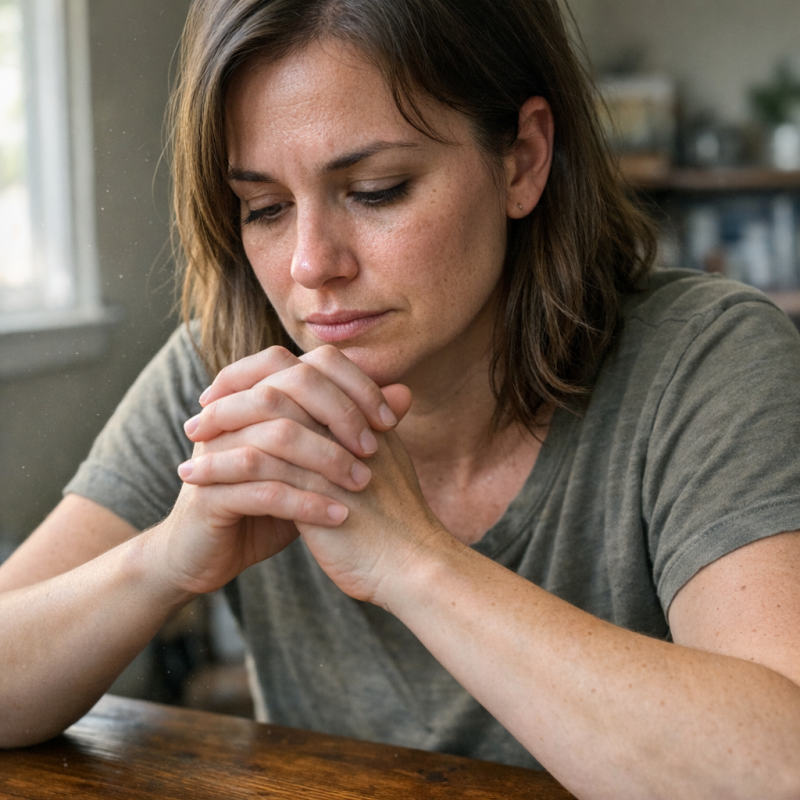 Image by FCT AI
The Score That Determined Everything
I felt like I was talking to a stranger. 'What's my score?' I asked. 'Overall, I mean. Where do I stand in your system?' Elena hesitated, then opened a file on her laptop. 'Eighty-seven percent,' she said. 'Across all verifications, weighted for recency and scenario difficulty.' Eighty-seven percent. I'd been living my life, loving my wife, building what I thought was a partnership—and the whole time I'd been hovering at eighty-seven percent on some invisible scale. 'What's the threshold?' I asked. 'What number did I need to hit?' She looked uncomfortable. 'Ninety percent for long-term commitment. For children.' My blood went cold. 'We've been talking about trying for a baby,' I said slowly. 'Were you going to test me again first?' She nodded. 'One more verification. I was planning it for next month. To see if you could reach ninety.' I couldn't believe what I was hearing. 'And if I scored eighty-nine?' I asked. The harshness of the answer I got still haunts me. I asked what would have happened if I scored eighty-nine percent, and she answered without hesitation: 'I would have left you and never told you why.'
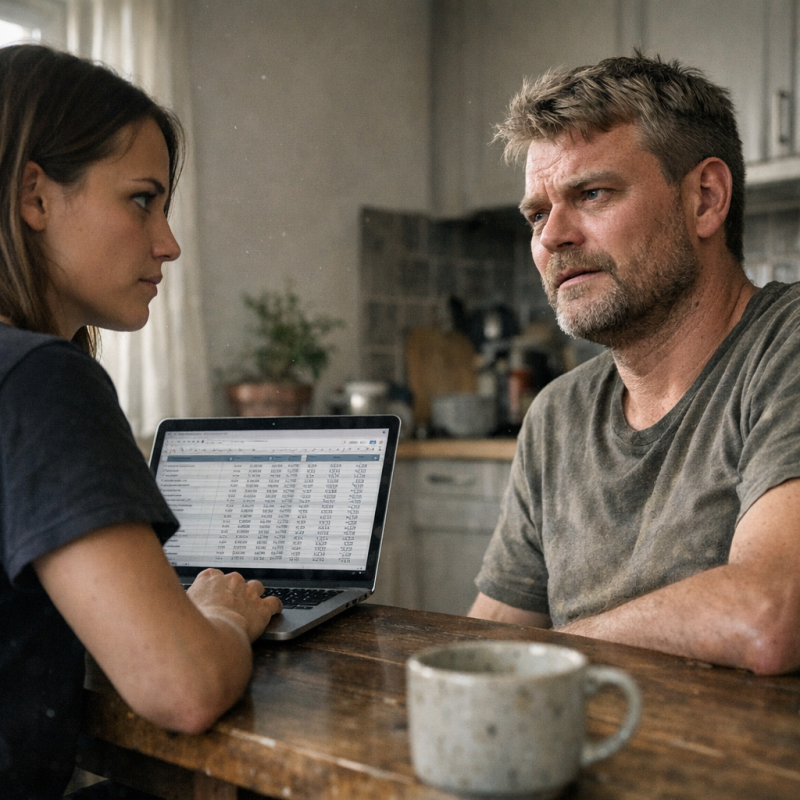 Image by FCT AI
The Question I Finally Asked
I stood up and walked to the window. I needed space to process what she'd just admitted. After a long silence, I asked the question that was suffocating me. 'Did you ever actually love me?' My voice barely worked. 'Or was I just a subject that happened to score well enough to keep around?' I heard her start crying behind me. 'Nathan, please—' 'Answer the question,' I said, still not turning around. 'When you looked at me, when we made love, when you said you wanted to spend your life with me—were those real feelings? Or were you just collecting data?' The crying got harder. I finally turned to face her. She was completely broken down, mascara running, shoulders shaking. 'I don't know,' she whispered. 'I've been doing this for so long, I don't know anymore.' She looked up at me with genuine anguish in her eyes. 'At first I was testing you. Then I was testing you while loving you. Then I was loving you while testing you. Now I can't—' She couldn't finish. She started to cry and said, 'I don't know anymore—I can't tell where the testing stopped and the loving began.'
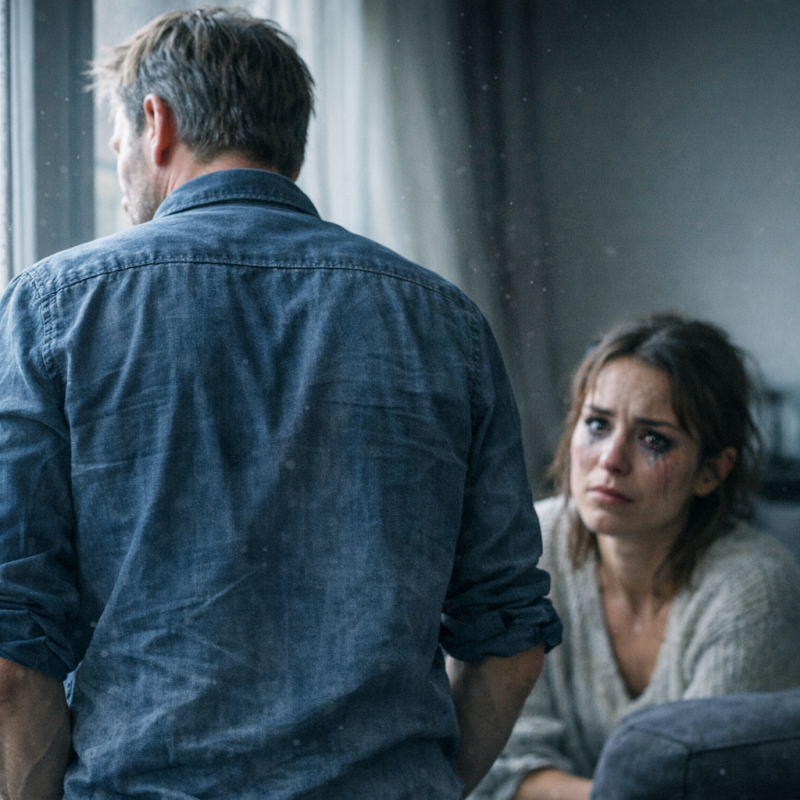 Image by FCT AI
The Truth About Project Loyalty
I sat back down. 'Show me everything,' I said. 'All of it. The whole system.' Elena wiped her face and opened multiple files. She walked me through the complete methodology she'd developed. Seven major loyalty tests over six years, each designed to measure different dimensions of my character under controlled conditions. She'd scored me on micro-behaviors I didn't even know I was exhibiting—how long I maintained eye contact with other women, my facial expressions when discussing attractive celebrities, my willingness to hide things from her. Each test had predetermined scenarios, control variables, and scoring rubrics. She compared my results to statistical norms from her online community, tracking how I measured against thousands of other tested partners. The goal was to predict with algorithmic certainty whether I'd eventually betray her. It wasn't love—it was a defense mechanism she'd inherited from watching her mother's paranoia, now refined into a methodology she genuinely believed protected her from pain. The worst part was how rational she made it sound, how convinced she was that this was simply smart relationship management. She showed me the master spreadsheet with statistical analysis, predictive modeling, and probability curves—my entire marriage had been a longitudinal study I never consented to.
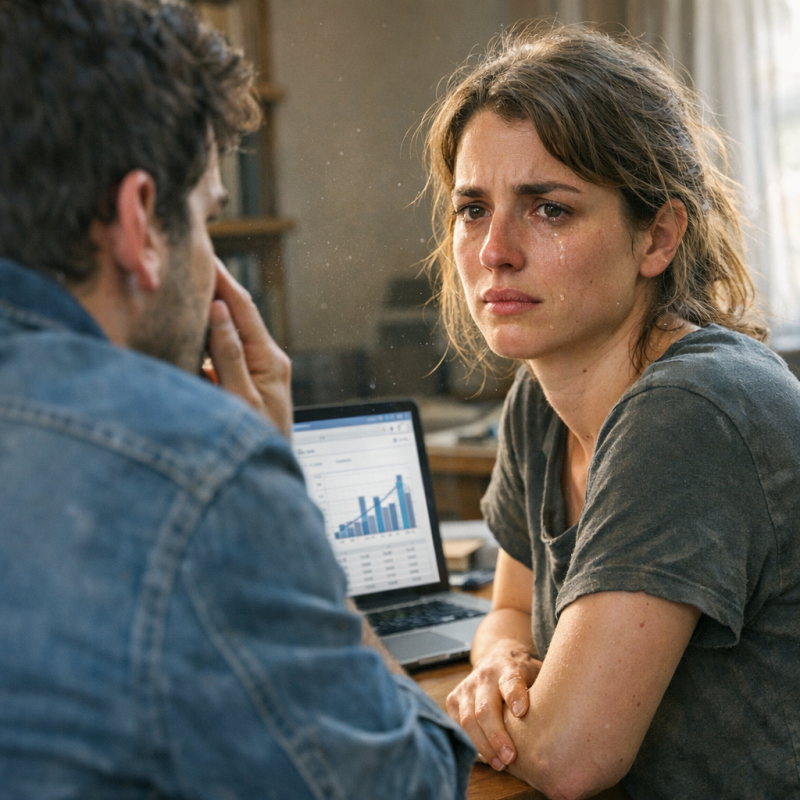 Image by FCT AI
The Man I Thought I Knew
I started thinking back through our entire relationship with this new information, and it was like watching a movie where someone suddenly reveals the twist ending—everything you saw before takes on a completely different meaning. That weekend trip to the vineyard where Elena was so affectionate? That was right after I'd passed the coffee shop test. The month where she seemed especially relaxed and loving? That followed the successful completion of whatever test number four had been. Every time I thought we were just having a spontaneous moment of connection, she'd actually been rewarding me for demonstrating acceptable loyalty metrics. I remembered her surprising me with my favorite dinner on random Tuesdays, buying me thoughtful gifts for no reason, initiating intimacy with unusual enthusiasm—all of it had been operant conditioning. Positive reinforcement for a subject who didn't know he was in an experiment. The worst part was realizing I'd internalized her testing schedule. I'd felt secure during certain periods and inexplicably anxious during others, never understanding that my emotional state was responding to her satisfaction with my test results. I looked back at six years of memories, and they all rearranged themselves—suddenly, I didn't know which moments had been real.
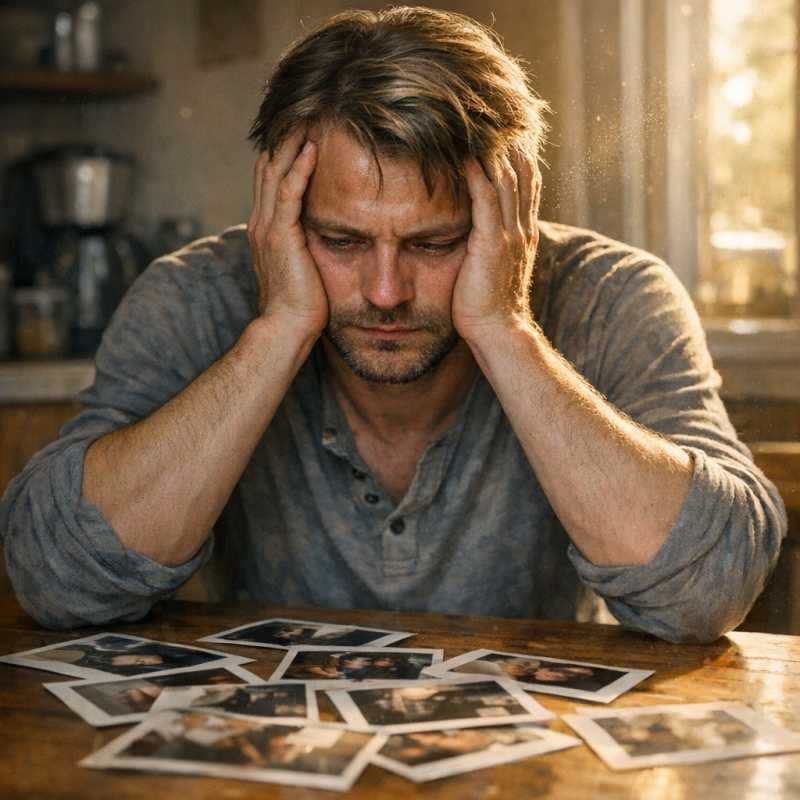 Image by FCT AI
The Choice I Had to Make
Elena grabbed my hand across the table. 'I'll stop,' she said, her voice breaking. 'I'll delete everything. I'll go to therapy. I'll do whatever it takes.' She looked desperate, and part of me—the part that had loved her for six years—wanted to believe her. But how could I? Even if she stopped testing me, I'd never know for certain. Every kind gesture would be suspect. Every moment of affection would make me wonder if it was genuine or strategic. If she seemed happy, was it because she loved me, or because I'd unknowingly passed some new evaluation I didn't even know she was running? Trust isn't just believing someone won't hurt you—it's believing the reality you're experiencing together is actually real. She'd taken that from me permanently. I couldn't even trust my own memories anymore. The foundation of our entire relationship had been a lie, and you can't rebuild on that. You can't unlearn what you know. She asked if I could forgive her, and I realized the question itself was impossible: how do you forgive someone for making you doubt every moment of happiness you ever shared?
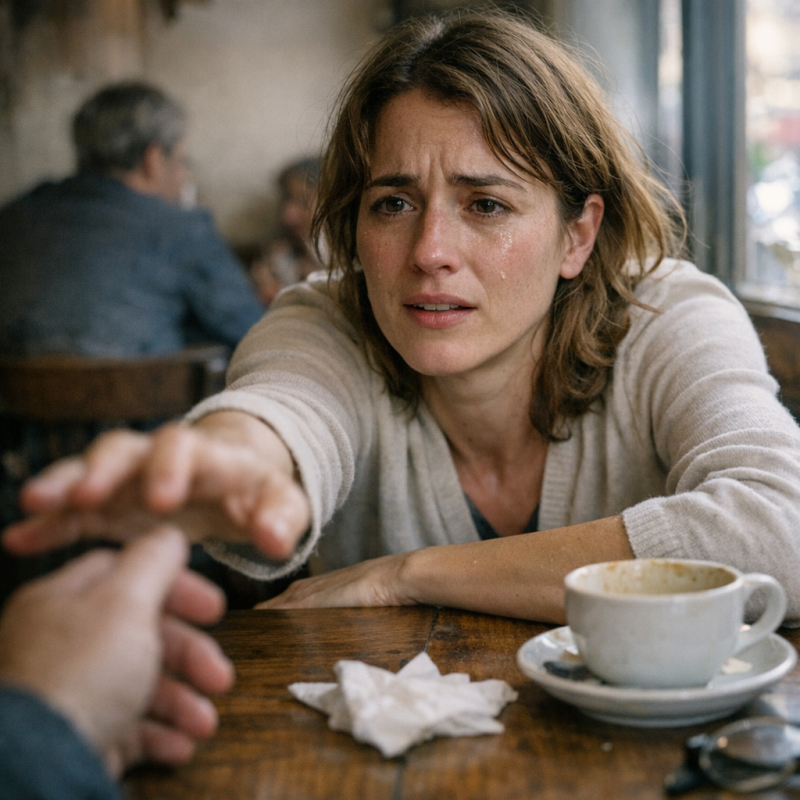 Image by FCT AI
The Confrontation That Shattered Everything
I pulled out my laptop and opened the folder I'd been building for weeks. 'Before I answer,' I said, 'there's something you need to see.' I showed her everything—screenshots of her forum posts, my timeline of all seven tests with evidence, the statistical analysis she'd done on me, transcripts of my conversations with Amanda and the other women. I'd documented her entire system just as thoroughly as she'd documented me. I'd tracked her patterns, noted her methodologies, analyzed her psychological profile. I'd even found posts she'd made about me on the forum, discussing my 'progress' and asking for advice on test design. Her face went pale as she scrolled through it all. The irony wasn't lost on either of us—I'd become exactly what she was, gathering data, analyzing behavior, looking for patterns. Except I'd done it to protect myself, to understand what was happening to me. 'You've been watching me this whole time,' she whispered. 'Taking notes. Studying me.' I nodded. 'I needed to know I wasn't crazy.' Her face went pale when she saw the extent of my documentation, and she whispered: 'You've been testing me too.'
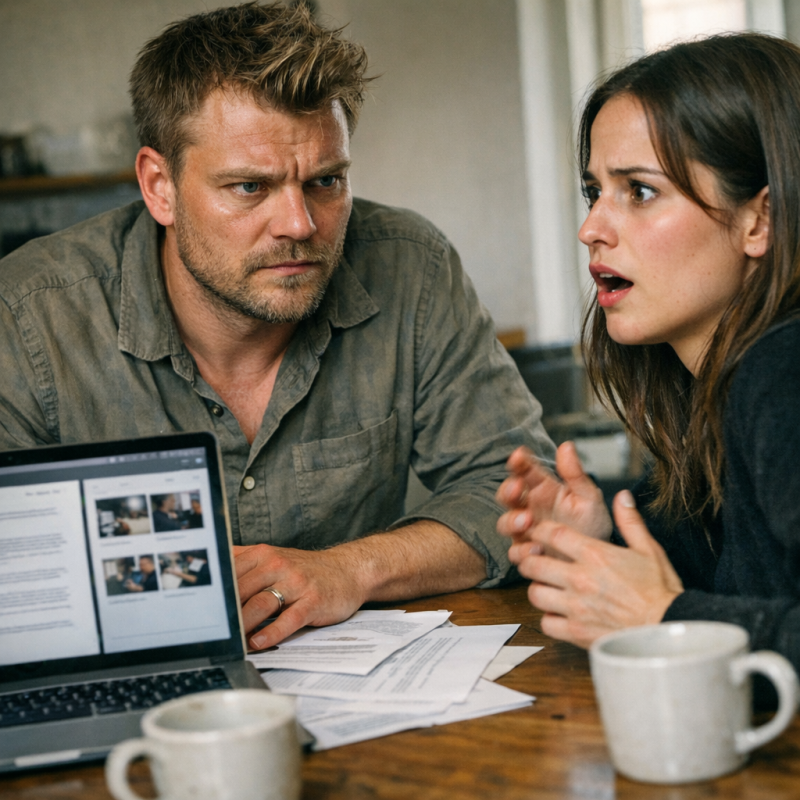 Image by FCT AI
The Incident Report
I went to the local precinct two days later, not really sure what I was reporting but feeling like someone needed to know what had happened. The officer who took my initial statement seemed confused—no threats had been made, nothing unlawful had occurred in the traditional sense. But then Detective Sarah Brennan came out to talk to me. She was maybe mid-forties, sharp-eyed, and she actually listened. I showed her everything: the forum screenshots, the evidence of hired women approaching me, Elena's entire testing apparatus. 'This is psychological manipulation,' she said slowly, 'but proving harassment is difficult when you were married and the interactions were engineered rather than direct.' Then I showed her the forum itself, the community of hundreds of people conducting these tests. Her expression changed. 'May I keep copies of these?' she asked. 'This online community—if they're coordinating systematic deception and harassment through hired third parties, that's potentially conspiracy to commit fraud or harassment on a larger scale.' She started taking detailed notes. Detective Brennan looked at the forum screenshots and said: 'This isn't just about you—there could be dozens of people being manipulated without their knowledge.'
 Image by FCT AI
The Forum Goes Dark
Within forty-eight hours of my meeting with Detective Brennan, the entire forum disappeared. Someone in the community must have gotten wind of the investigation—maybe Elena warned them, maybe they had their own security monitoring. The website went completely dark, all posts deleted, like it had never existed. But Detective Brennan had anticipated that. We'd already archived everything: thousands of posts, user profiles, testing methodologies, discussions about hiring people to approach unsuspecting partners. The detective showed me private messages they'd managed to preserve, including panicked conversations between moderators about 'outside threats' and 'people who don't understand.' The community genuinely saw themselves as victims taking protective measures, not as perpetrators of psychological harassment. One moderator had written extensively about how society gaslights people with trust issues, how they had every right to verify their partners' loyalty. They'd convinced themselves this was self-care. Detective Brennan showed me a message from one of the forum moderators: 'You've ruined a safe space for people trying to protect themselves from pain.'
 Image by FCT AI
The Others Who Came Forward
After the local news picked up the story—carefully anonymized but with enough detail to be recognizable—my inbox exploded. Most messages were supportive, but three stood out. They were from people who'd experienced the same thing I had. A guy named Marcus whose girlfriend had hired women to flirt with him at bars for two years. A woman named Jennifer whose husband had orchestrated an entire fake friendship with a male coworker to see if she'd develop feelings. Another man whose fiancée had created elaborate scenarios testing whether he'd lie about small things. Each story was devastating in its own way. Marcus had developed anxiety attacks. Jennifer had been in therapy for a year. But the one that really got me was from a woman named Rachel. One woman said she'd had the same thing done to her by a boyfriend—except she 'failed' his test by talking to a male colleague, and he secretly recorded her as 'proof' before vanishing from her life.
 Image by FCT AI
The Conversation with Amanda
Amanda—I'd finally learned the gym woman's real name—asked to meet me at a coffee shop downtown. She looked different than I remembered, less confident, more uncertain. 'I need you to know I'm sorry,' she said immediately. 'When Elena first approached me, she made it sound like a harmless favor. Like helping a friend confirm her husband was loyal. I didn't think about what it would feel like from your perspective until I saw everything that came after.' She'd read the news coverage. She'd seen the forum screenshots. 'I had no idea it was part of something so extensive,' she continued. 'I thought I was the only one. I didn't know about the other tests, the whole system.' I believed her. She seemed genuinely shaken. Then she said something that made my blood run cold. 'Elena contacted me again,' Amanda said quietly. 'Last week. She wanted to hire me for another job.' I felt my stomach drop. 'She's seeing someone?' Amanda nodded. Amanda told me Elena had asked her to do one more job just days after I'd left—she'd already moved on to testing someone new.
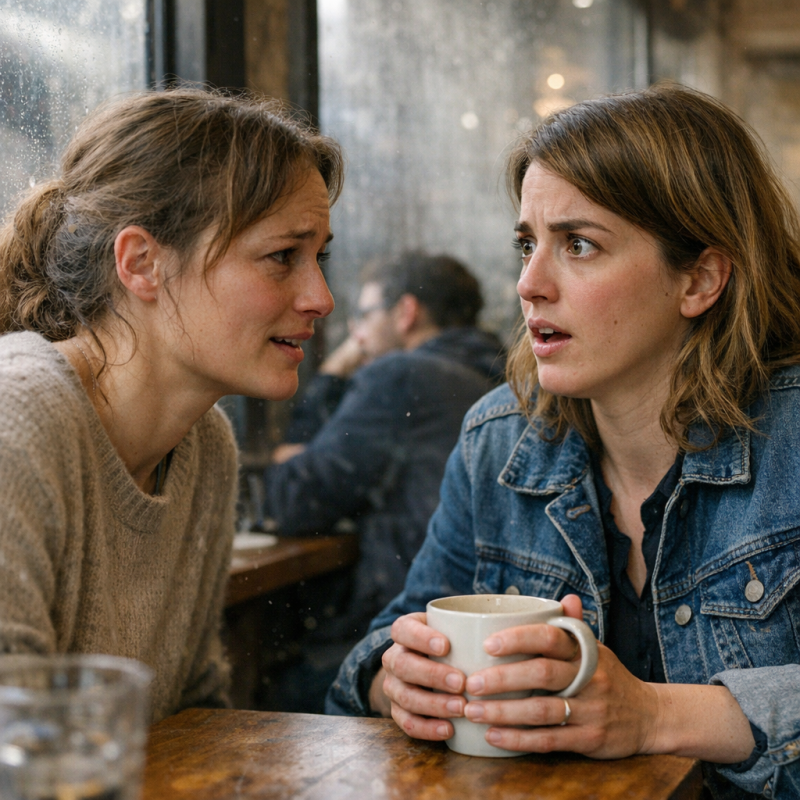 Image by FCT AI
The Last Time I Saw Her
We met at a lawyer's office to sign the divorce papers. Elena looked composed, almost serene, like she'd made peace with everything. I tried one last time. 'Do you understand why what you did was wrong?' I asked her. She sighed like I was being deliberately difficult. 'I understand you felt betrayed,' she said carefully. 'But I was just trying to protect myself. I loved you too much to risk being blindsided.' Even now, she couldn't see it. The testing, the manipulation, the systematic destruction of trust—she genuinely believed it was a reasonable expression of love. 'Everyone lies,' she continued. 'I just wanted to know the truth. Is that really so terrible?' I signed the papers without responding. There was nothing left to say. She'd never change because she didn't think she needed to. As we left the office, she walked beside me to the parking lot. As she was leaving, she said: 'You'll miss me when the next person disappoints you—at least with me, you knew you were loved conditionally.'
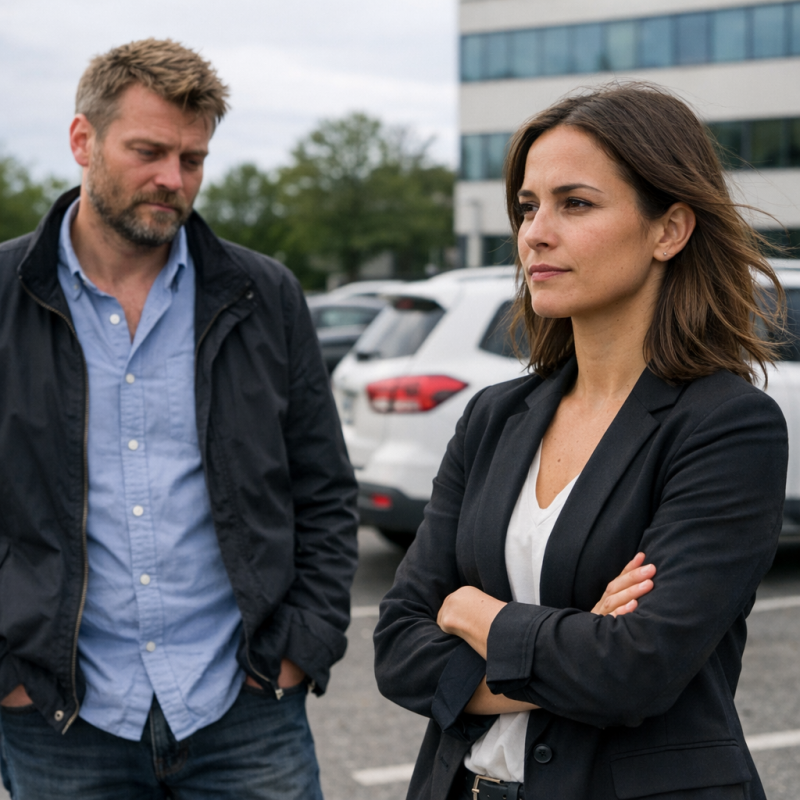 Image by FCT AI
The Article That Went Viral
I wrote it all down anonymously. Every detail—the gym test, the restaurant trap, the fake emergency, the systematic surveillance disguised as love. I posted it to a relationship forum without much expectation. But something about the story resonated. Within forty-eight hours, it had been shared thousands of times. Within a week, relationship podcasts were discussing it. News sites ran think pieces about the difference between protecting yourself and controlling someone, about how 'testing' your partner violates consent just as much as lying does. Therapists weighed in. People shared their own stories of being tested, manipulated, surveilled by partners who claimed it was 'just love.' The conversation became national. Millions of people were suddenly talking about trust, boundaries, and the difference between vulnerability and submission. I never revealed my identity, but Elena figured it out. She blocked me everywhere and posted one final message before her accounts went private: 'Some people can't handle being known completely.' Even in her denial, she couldn't see the irony. She still believed the problem was my inability to accept her love—not that her version of love had destroyed everything she claimed to cherish.
 Image by FCT AI
Six Months Later
Six months later, I'd moved to a different city and started over. New job, new apartment, new therapist who specialized in psychological manipulation recovery. The sessions helped, slowly. I learned that what Elena did had a name—coercive control dressed up as devotion. I learned that questioning your own reality after months of surveillance is normal. I learned that healing doesn't mean forgetting, it means integrating the experience without letting it define every future decision. But some days I still caught myself scanning restaurants for familiar faces, or wondering if casual questions from new friends had hidden agendas. The paranoia would probably fade with time, my therapist said, but the caution might be permanent. Maybe that wasn't entirely bad. In one session, she asked if I could imagine dating again, trusting someone new with that kind of vulnerability. I opened my mouth to answer and realized I genuinely didn't know. Elena had broken something fundamental about how I understood intimacy—not just romantic love, but the basic human capacity to be known without being hunted.
 Image by FCT AI
The Message from Claire
Claire reached out through email, apologizing for her silence during the marriage. 'I saw the patterns but convinced myself it wasn't my place to interfere,' she wrote. 'I'm sorry I didn't warn you sooner.' She said Elena's new relationship had imploded within four months for identical reasons—the boyfriend discovered hidden cameras in his apartment and left immediately. The public fallout had finally forced Elena into therapy. She was going twice a week now, apparently working through her trust issues with a trauma specialist. Part of me felt vindicated. Another part felt sad that it took losing everything twice for her to consider she might need help. 'Do you think she'll actually change?' I wrote back. Claire's response came hours later. 'She finally admitted she has a problem,' she said. 'That's progress, I guess. But honestly, Nathan, I don't know if she's getting help because she wants to change, or because she wants to get better at hiding it.' That uncertainty haunted me more than any definitive answer could have.
 Image by FCT AI
The Truth I Carry Forward
I've thought a lot about what I learned from everything with Elena. Not the obvious lessons about red flags or boundaries, but the deeper truth underneath. Love without trust isn't actually love—it's surveillance. Protection that requires constant vigilance becomes a prison for everyone involved. The most painful realization wasn't about forgiving Elena for what she did. It was forgiving myself for not seeing it sooner, for mistaking intensity for intimacy, for believing that being constantly tested meant I was valued. I still don't know if I'll ever fully trust again the way I did before. Maybe I won't. Maybe that instinct to question, to verify, to protect myself will always be there now, a scar that never quite fades. But I've learned something Elena never could, something that took losing everything to understand. Real love means accepting you can't control every outcome, that vulnerability requires risk, that truly knowing someone means letting them remain partly unknowable. You can't love someone and simultaneously audit them. And maybe that's the only test that actually matters.
 Image by FCT AI