The Landlord's Silence
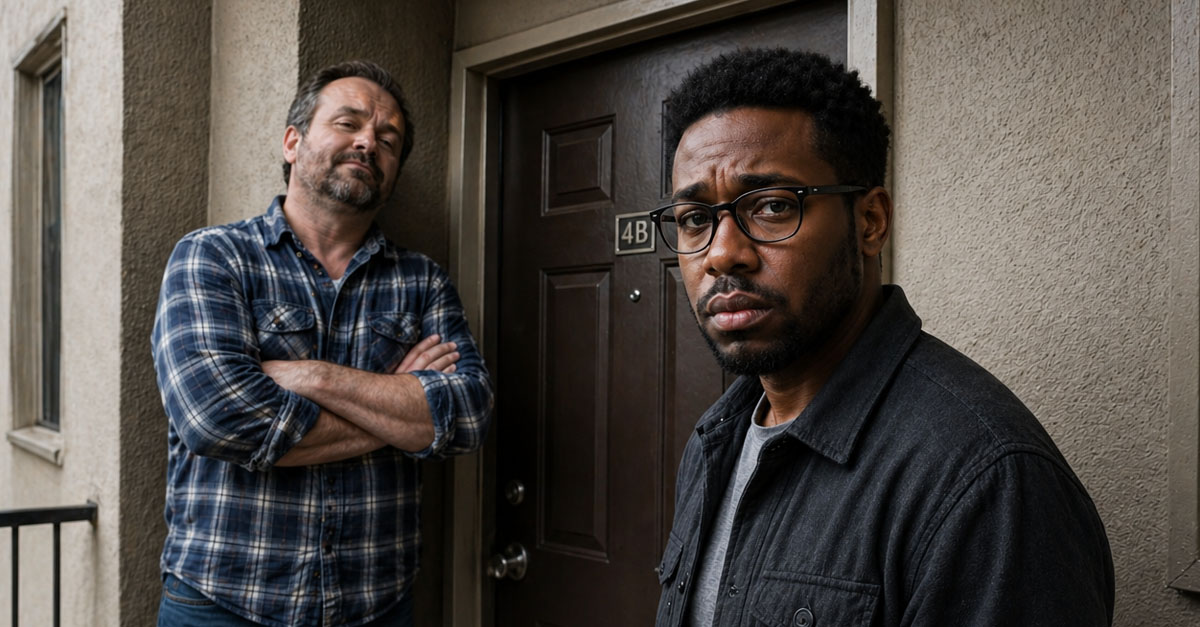
I decided it was time to contact Vincent Harlow directly. I'd been dealing with the management office, but now I wanted answers from the top. I called the main office number and asked to speak with him. They said he wasn't available. I left a message. Then another. Then I sent an email laying out my concerns in carefully worded language—nothing accusatory, just questions about the disputed charges and my father's case. No response. I called again the next day and the day after that. Each time I got the same receptionist telling me Mr. Harlow would return my call. He never did. I sent two more emails, each one more direct than the last, asking for clarification about the charges he'd demanded after my dad's death. Radio silence. It wasn't like he was busy and forgot—his office acknowledged my messages. He was actively choosing not to respond. And the more he avoided me, the more convinced I became that he knew exactly what I'd found. His silence felt deliberate, like he knew exactly what I was uncovering.
 Image by FCT AI
The Building Inspection Records
I remembered Marcus mentioning building code violations, so I requested inspection records from the city. It took a week to get them, but when they arrived, they painted a damning picture. Over the past six years, my dad's building had been cited for dozens of violations: inadequate heating, water damage not addressed, electrical issues, pest infestations. Standard maintenance stuff that should've been handled immediately. But here's what got me: I cross-referenced the violation dates with the documents from my dad's filing cabinet. Every single time the building got cited for a violation, tenant complaints spiked. And within weeks of those complaints, new fees appeared on rent statements. 'Administrative processing fees.' 'Building improvement assessments.' 'Maintenance surcharges.' The violations were never actually fixed—the tenants were just charged more money. It was like Harlow was monetizing his own negligence. Each violation report was followed by tenant complaints—and each complaint was followed by fee increases.
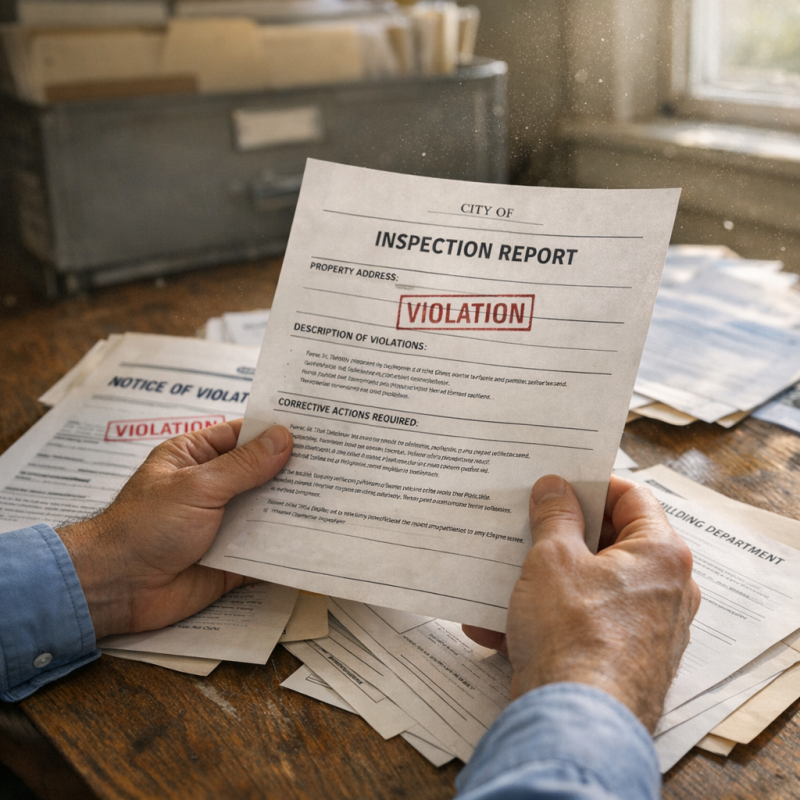 Image by FCT AI
Rachel's Research
Rachel called me that evening, excited in a way I hadn't heard since before Dad passed. 'I've been doing my own research,' she said. 'Harlow's company doesn't just manage Dad's building—they own six properties across the city.' She'd found the business registration records and started searching for complaints associated with each address. Same patterns everywhere: disputed fees, maintenance issues ignored, aggressive collection tactics. She'd even found online reviews that told similar stories, though most were vague—people afraid to give details. Then she found something else. 'There's a tenant rights forum,' she said. 'Someone posted about Harlow's company last year.' She sent me the link while we were still on the phone. I clicked through and read the anonymous post, my heart pounding harder with each sentence. The person described exactly what we'd been discovering—the pattern of charges, the pressure tactics, the way complaints were handled. She sent me a link to a tenant rights forum where someone had posted: 'They target people who won't fight back.'
 Image by FCT AI
The Advocate's Name
Sandra called me the next morning with a proposition. 'I've been thinking about your case,' she said. 'There's someone you need to meet.' Her name was Elena Torres, a tenant rights advocate who'd been working in the city for over a decade. Sandra had reached out to her and mentioned what we'd found. Elena wanted to talk. We met at a coffee shop downtown. Elena was younger than I expected, maybe early forties, with an intensity that reminded me of investigative journalists in movies. She'd brought her own files—a thick binder of complaints, news clippings, and legal documents. 'I've been tracking this management company for three years,' she said. 'But every time I get close to building a case, people drop out. They're scared, or they settle, or they just give up.' She looked at me directly, assessing. 'What you have—the documentation, the timeline, the pattern—it's exactly what I've needed. But going public means facing legal pushback. It means time and stress.' She paused. The advocate said she'd been waiting for someone willing to go public—and asked if I was ready.
 Image by FCT AI
The Police Report
Sandra told me it was time to make this official. 'You need to go to the police,' she said. 'Not just for you, but for everyone who comes after.' So I filed a report with the fraud division, expecting maybe a form, a case number, nothing more. Instead, they assigned me Detective Sarah Martinez. She was sharp, mid-forties, with the kind of direct eye contact that made you feel like she was cataloging everything you said. We met in a small interview room at the precinct, and I walked her through everything—the rent demands, the fake lease, the pattern we'd documented. I brought copies of everything. The notebook. The spreadsheets. Marcus's story. She took notes methodically, asked clarifying questions, and I started to feel like maybe, finally, someone with actual authority was taking this seriously. When I finished, she set down her pen and looked at me with an expression I couldn't quite read. It wasn't surprise, exactly. More like confirmation. Detective Martinez listened to everything, then said: 'You're not the first person to tell me about this landlord.'
 Image by FCT AI
The Detective's Question
Detective Martinez asked me to walk through the timeline again, but this time she wanted specifics. 'When exactly did he first contact you after your father passed?' she asked. 'What were his exact words when he demanded payment?' She wanted to know about the fake lease—how he'd presented it, whether he'd seemed prepared, if he'd mentioned other tenants. The questions felt strategic, like she was fitting pieces into a puzzle she'd already started assembling. I realized she wasn't just investigating my case. She was building something bigger. 'How many others have reported him?' I asked. She didn't answer directly. 'Enough that I'm paying attention,' she said. 'But most people don't have what you have. Most people just pay and walk away because they're grieving and exhausted.' She made notes about Dad's documentation, asking which tenants he'd spoken with, how far back his records went. Before I left, she asked: 'How much documentation did your father leave behind?'—like she knew it would matter.
 Image by FCT AI
The Medical Examiner's Call
Three days later, I got a call from a number I didn't recognize. It was Dr. Elizabeth Warren, the medical examiner who'd signed my father's death certificate. I almost didn't answer. 'Mr. Chen, I have a few questions about your father's living situation,' she said. Her voice was clinical, professional, but there was something underneath it—a carefulness that made my stomach tighten. She asked about the apartment. How long had Dad lived there? Had I noticed any problems with the building? Any complaints he'd made? I told her about the mold, the broken heater, the complaints that never got fixed. She went quiet for a moment, and I could hear her writing. Then she started asking more specific questions—about ventilation, about dampness, about the winter months. She asked if the heating had been working properly in winter—and I realized she was looking for something specific.
 Image by FCT AI
The Health Connection
I couldn't let it go. Dr. Warren's questions kept circling in my head, so I went back through Dad's papers, looking for anything medical. I found his prescription records, doctor's visit summaries, things I'd skimmed before without really seeing. And there it was—a series of visits to a pulmonologist starting about eighteen months before he passed. Respiratory issues. Persistent cough. Inflammation. The doctor's notes mentioned environmental factors, recommended the patient improve living conditions, reduce exposure to mold and dampness. I cross-referenced the dates with Dad's notebook. The medical visits started three months after his first complaint about the black mold spreading in the bathroom. They escalated right alongside his unanswered maintenance requests. I sat there at my kitchen table, staring at the timeline I'd laid out, feeling sick. The apartment hadn't just been neglected. It had been making him ill. The dates matched perfectly—and I started to wonder if the apartment hadn't just been my father's home, but part of what killed him.
 Image by FCT AI
Marcus's Revelation
I called Marcus again. We'd been in touch periodically since our first meeting, but this time I needed to ask him something specific. 'Your mother,' I said. 'When she passed—did she have any health problems related to the apartment?' There was a long pause on the other end. Then Marcus told me his mother had developed severe respiratory issues in her last year. The doctors had said it was just age, just her lungs giving out, but she'd been healthy before. The decline had started after the building's ventilation system broke and never got properly repaired. 'She kept complaining about the air quality,' Marcus said. 'She'd call the landlord's office, file complaints, and nothing would happen. I thought it was just them being lazy.' His voice got quieter. 'I kept telling her I'd help her move, but she didn't want to leave. And then it was too late.' Marcus said quietly: 'I always wondered if she'd still be alive if I'd fought harder to get things fixed.'
 Image by FCT AI
The Building Code Violations
I went to the city's Department of Buildings and pulled the official violation reports for Dad's building and the three others in Harlow's portfolio that we'd identified. What I found made my hands shake. Pages and pages of code violations, spanning years. Inadequate ventilation. Mold remediation required but not completed. Heating system failures. Fire safety violations. Every single issue that affected tenant health and safety had been documented, cited, and fined—minimal fines that Harlow apparently just paid as the cost of doing business. But what hit me hardest were the notes in the margins. Deaths. There were at least four recorded deaths of elderly tenants across these buildings in the past five years, all from respiratory or cardiac issues. The reports noted the deaths only because they'd triggered additional inspections. Every violation had been reported, documented, and then ignored—and people had died in those apartments.
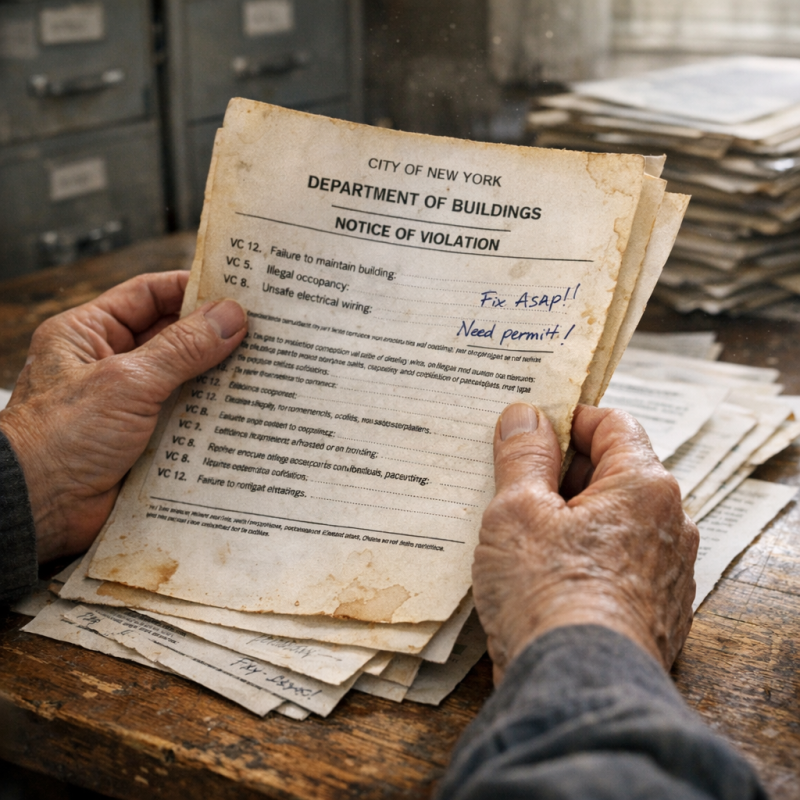 Image by FCT AI
The Final Piece
Detective Martinez called and asked me to come to her office. Her tone was different—not casual, not routine. 'I need to show you something,' she said. I drove to the precinct feeling like I was heading toward something I couldn't quite see yet. When I arrived, she led me to a small conference room instead of the interview room we'd used before. The table was covered with files, photographs, documents. It looked like a war room. 'Sit down,' she said, and I did, feeling the weight of whatever was coming. She'd been working this case longer than I'd known, I realized. This wasn't just about me or my father. She'd been building something comprehensive, and now she was ready to show me what she'd found. She spread a series of files across her desk, each one labeled with a different name, and said: 'Your father wasn't an isolated case.'
 Image by FCT AI
The System
Detective Martinez walked me through the files, one by one. Twenty-three families. Twenty-three people who'd died in Harlow's properties over the past seven years, and in every single case, he'd approached the grieving families with the same playbook. Fake lease clauses. Rent demands for months after death. Security deposit forfeitures. He'd been targeting people at their most vulnerable—people who were too exhausted, too grief-stricken to fight back. Most had paid. Some had tried to resist but gave up when he threatened legal action. The amounts varied, but the tactic was identical. It was a system. A deliberate, calculated system of exploitation. 'He knows exactly what he's doing,' Martinez said. 'He preys on grief. On the fact that most people just want to bury their loved ones and move on without a legal battle.' She tapped my father's file. 'But your father was documenting everything. He was building this case before he passed.' She said: 'He's done this to at least twenty-three families that we know of—and your father was building the case that's finally going to stop him.'
 Image by FCT AI
The Evidence Web
Martinez spread out a timeline on the conference table—a visual web connecting my father's documentation to cases going back five years. 'Your father wasn't just recording his own experience,' she explained. 'He was cross-referencing obituaries, property records, court filings. He found patterns no one else was looking for.' She pointed to highlighted sections where my father had noted similar language in different lease violations, identical timeframes for rent demands, even the same legal letterhead used across years. He'd created a system to track Harlow's system. 'This is prosecutorial gold,' Martinez said. 'Everything's dated, sourced, verified. He knew exactly what evidence would hold up in court.' I stared at the meticulous handwriting, the careful annotations. Then I saw it—a Post-it note tucked into the back of the folder, yellow and slightly faded. Four words in my father's neat script: 'For the next family.' My throat tightened. 'He knew,' I said quietly. Martinez nodded. 'He knew he might not live to see this through, so he made sure someone else could finish it.' Among the files was a note in my father's handwriting: 'For the next family'—and I realized he'd known he might not live to see this through.
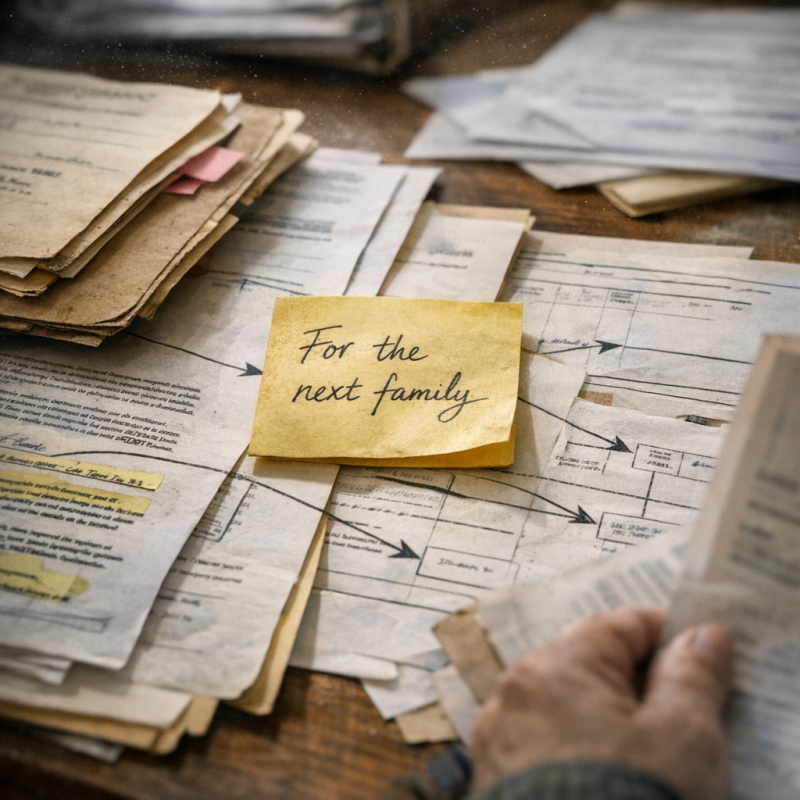 Image by FCT AI
The Other Families
Martinez pulled out a second folder—victim statements and financial records from the other families. She read them aloud, one after another. The Johnsons, who paid $4,200 in fabricated rent after their mother died of cancer. The Patels, threatened with eviction proceedings while planning their father's funeral. The Washingtons, who emptied their savings account to cover 'damages' that never existed. Each story followed the same cruel script: grief, confusion, intimidation, payment. 'Most people just wanted it to end,' Martinez said. 'They were exhausted. They couldn't fight.' Then she showed me the Ramirez file. They'd lost their family home—actually lost it—trying to pay off debts Harlow claimed their grandmother owed. They'd taken out a second mortgage, fallen behind, and the bank foreclosed. All because of lies. 'They're homeless now,' Martinez said quietly. 'Living with relatives in another state.' I felt something shift inside me, something beyond anger. This wasn't about enforcing contracts or business practices. This was about a man who saw grieving families and thought: opportunity. One family had lost their home trying to cover fabricated debts—and I understood then that this wasn't just about money, it was about cruelty.
 Image by FCT AI
The Confrontation Setup
Sandra arrived at the precinct an hour later, carrying a leather briefcase that looked ready for war. She shook Martinez's hand, then mine, with the focused intensity of someone about to do what they were born for. 'We're setting up a formal meeting with Harlow and his attorney,' Sandra explained. 'Detective Martinez will present the criminal evidence. I'll handle the civil claims on behalf of multiple families.' Martinez added: 'We want you there, Daniel. As a witness, yes, but also as a representative of what he's done. He needs to see that you didn't disappear.' My stomach knotted. The thought of sitting across from Harlow again, of being in the same room with him—it brought back that humiliation in the lobby, that powerlessness. But this was different. I wouldn't be alone. I wouldn't be vulnerable. I'd be surrounded by people who knew exactly what he was. 'When?' I asked. 'Tomorrow afternoon,' Sandra said. 'His lawyer agreed to a meeting before we proceed with formal charges. He thinks he can negotiate.' She smiled slightly. 'He's wrong.' I agreed to face him, knowing that this time, I wouldn't be alone and powerless in that lobby.
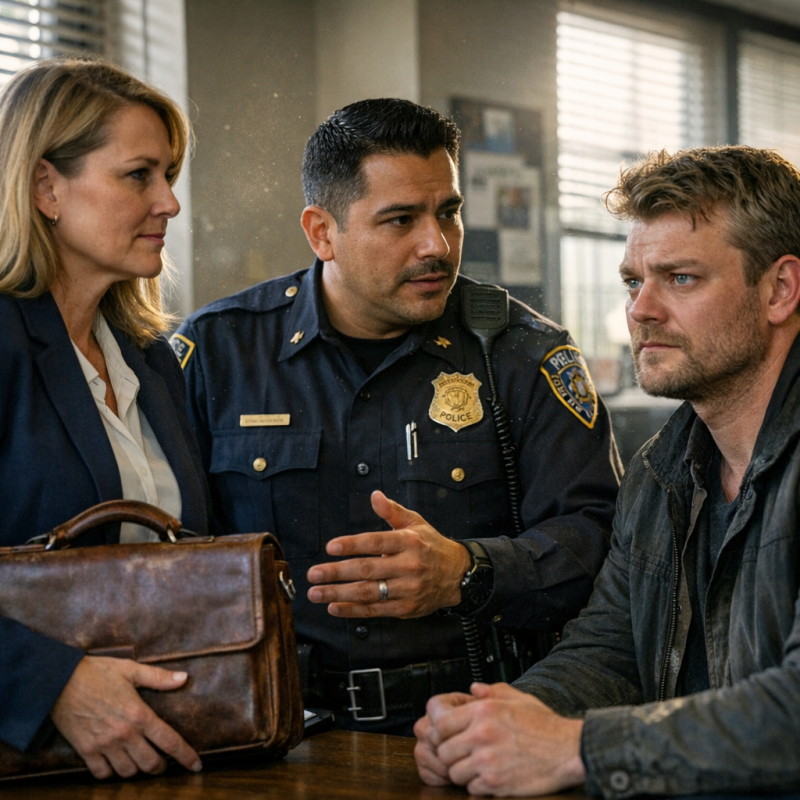 Image by FCT AI
The Meeting Room
The meeting room was smaller than I expected—a plain conference space with gray walls and a table that looked like it came from an office supply catalog. Harlow sat on the far side, his lawyer beside him, both in expensive suits that probably cost more than my monthly rent. When I walked in behind Martinez and Sandra, Harlow's eyes found me immediately. I saw recognition. Then confusion. Then something that looked like concern. He hadn't expected me here. He'd probably assumed I'd crawled away after paying him, just like all the others. His lawyer started to speak, but Martinez cut him off. 'This is a formal interview regarding multiple fraud allegations,' she said, placing a recording device on the table. 'Mr. Harlow, you're not under arrest, but you have the right to counsel, which you've exercised.' She gestured to the lawyer. 'Anything discussed here may be used in criminal proceedings.' I watched Harlow's face. The smug confidence from the lobby was gone. His jaw tightened. His hands, folded on the table, pressed together slightly too hard. For the first time, Vincent Harlow looked uncertain—and I felt something in my chest unlock.
 Image by FCT AI
The Denial
Harlow's lawyer spoke first, his voice smooth and practiced. 'My client categorically denies any wrongdoing. Mr. Harlow operates multiple properties in accordance with Massachusetts tenant law. Lease agreements are enforced as written, nothing more.' Harlow nodded along, his expression carefully neutral. 'I run a business,' he said. 'When tenants pass away, their estates remain responsible for contractual obligations. That's standard practice.' Martinez didn't react. She just pulled out a folder—my father's folder—and set it on the table. 'Let's talk about Gregory Chen,' she said. 'Lease signed in 2019. Tenant died in February of this year. You demanded three months' additional rent, citing a clause that doesn't exist in Massachusetts law.' Harlow's lawyer jumped in. 'Lease agreements can include—' 'Not those terms,' Sandra interrupted. 'Not legally.' She slid a document across the table. 'Here's the state statute. Here's the lease. They don't match.' Harlow shifted in his chair. 'There may have been a miscommunication,' he started, but Martinez held up a hand. Then Detective Martinez opened a folder and said: 'Let's talk about the other twenty-two families, Mr. Harlow.'
 Image by FCT AI
The Evidence Presented
Martinez laid out the files one by one, each labeled with a family name and date. She spoke methodically, without emotion, just facts. The Johnsons—lease violation notice sent four days after death. The Patels—rent demand including fabricated cleaning fees. The Washingtons—security deposit forfeiture based on damages that were never photographed or documented. She presented bank records showing payments. Copies of threatening letters. Testimonies from families describing identical intimidation tactics. 'Twenty-three cases over seven years,' Martinez said. 'Same properties. Same lease clauses. Same timeline. Same threats.' Sandra added the civil documentation—proof that Harlow had used the same attorney-signed letters across different cases, sometimes with only the names changed. 'This isn't business practice,' Sandra said. 'This is systematic fraud targeting vulnerable populations.' Harlow's face had gone rigid. His lawyer leaned close, whispering urgently in his ear. I watched Harlow's expression shift—the careful neutrality cracking into something that looked like panic. The lawyer whispered again, more insistent this time. Harlow's lawyer whispered something urgent in his ear, and I watched the landlord's face drain of color.
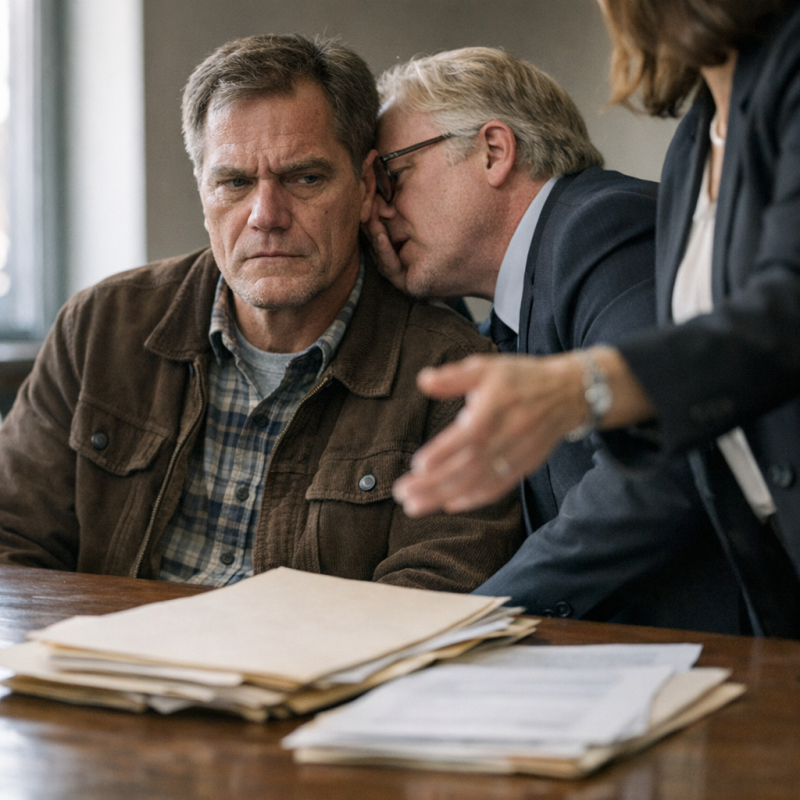 Image by FCT AI
The Admission
The lawyer straightened up and cleared his throat. 'Obviously, my client would be willing to discuss settlement arrangements with the affected parties. Perhaps we can reach an agreement that—' 'No,' Sandra said flatly. The lawyer blinked. 'Excuse me?' 'We're not here to settle,' Martinez added. 'We're here to inform Mr. Harlow of the criminal investigation and to document his response.' I saw Harlow's hands tighten on the table edge. His lawyer tried again: 'If there were misunderstandings in how certain lease terms were applied, my client is prepared to make financial adjustments to—' 'This isn't a misunderstanding,' I said, surprising myself. My voice came out steady. 'You knew exactly what you were doing. You've been doing it for years.' Harlow's eyes met mine, and I didn't look away. The lawyer shifted tactics. 'What are you looking for here? What outcome?' Sandra leaned across the table, her expression cold and professional. 'We're not negotiating. We're documenting.' The silence that followed felt like standing at the edge of something irreversible. Sandra leaned across the table and said: 'We're not negotiating. We're documenting.'
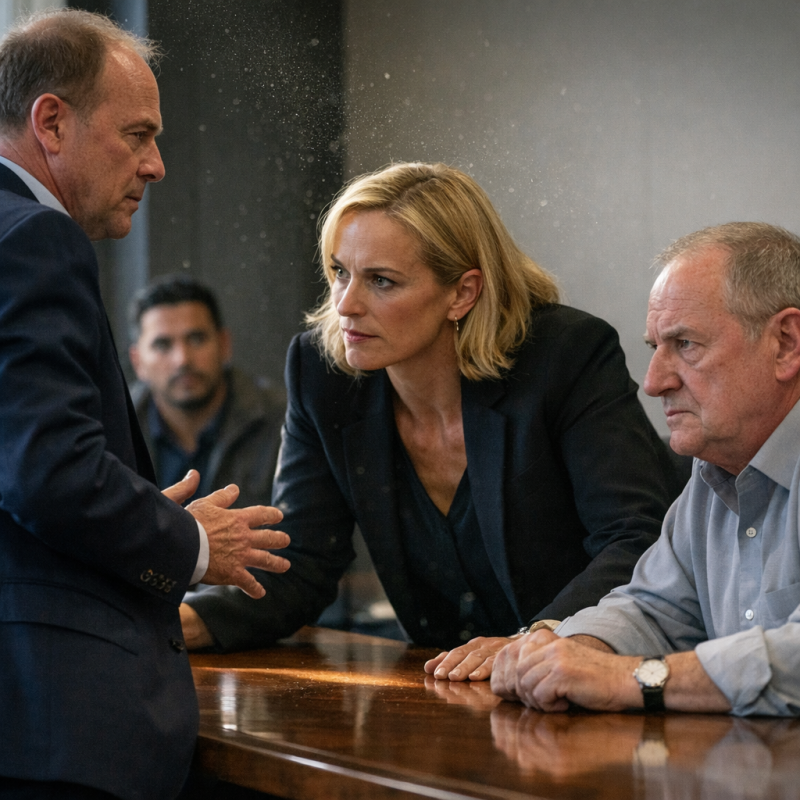 Image by FCT AI
The Criminal Charges
Martinez pulled out another folder—this one stamped with official seals. 'Mr. Harlow, I'm formally informing you that the District Attorney's office is filing criminal fraud charges related to twenty-three separate incidents of lease fraud and theft by deception. You'll be served within forty-eight hours.' Harlow's face went completely blank. His lawyer started talking rapidly about procedural objections, about needing time to review, about constitutional rights. Martinez ignored him. 'Additionally,' Sandra said, 'I'm filing a class action civil suit on behalf of fourteen families seeking restitution, damages, and legal fees. The Commonwealth is also pursuing asset seizure related to properties where fraud occurred.' The lawyer was gathering papers frantically now, stuffing them into his briefcase. Harlow just sat there, staring at the table. We stood to leave. Martinez collected her files. Sandra closed her briefcase with a decisive click. As I turned toward the door, I looked back one last time. Harlow was still sitting there, diminished somehow, no longer the man who'd stood in that lobby and made me feel small. As we stood to leave, I looked back at Harlow and thought: my father did this—he stopped you.
 Image by FCT AI
The Press Conference
Marcus organized the press conference on the steps of City Hall, and honestly, I wasn't prepared for the turnout. There were cameras, reporters with notepads, a whole crowd of people I didn't know. He'd gathered seven other families who'd dealt with similar situations—people who'd been pushed around, overcharged, threatened. We stood together while Marcus explained the pattern of exploitation, the systematic abuse. When it was my turn to speak, my hands were shaking. I talked about Dad, about finding those documents, about how he'd been fighting this while I wasn't even there. A woman from Channel 5 asked what I wanted people to know. I looked at all those cameras, at the other victims nodding beside me, and I thought about Dad sitting at that kitchen table, documenting everything, building this case even when he was sick. I thought about how small I'd felt in that lobby, and how Harlow had probably made dozens of other people feel the same way. My voice was steady when I answered. When the reporter asked what I wanted people to know, I said: 'My father died fighting this—and now the fight is finished.'
 Image by FCT AI
The Settlement Offers
The settlement offers came through Sandra's office less than a week later. The management company wanted to make everything go away quietly—refunds, damages, legal fees, confidentiality agreements. Sandra laid out the paperwork on her desk and walked me through the numbers. They were offering a substantial amount, more than I'd expected. 'It's damage control,' she said, tapping the contract with her pen. 'They know the publicity is killing them.' I read through the terms carefully, remembering everything Dad had taught me about reading the fine print. The confidentiality clause was aggressive—they didn't want anyone talking to the press again. I looked up at Sandra and asked the question that mattered most: would accepting this prevent Harlow from facing criminal prosecution? She shook her head. 'The DA's case is completely separate. Criminal charges proceed regardless of civil settlements.' I sat back in my chair, thinking about what Dad would want, what was actually right here. I had one condition before I'd sign anything. Sandra advised me that accepting wouldn't prevent criminal prosecution—and I agreed to settle on one condition.
 Image by FCT AI
The Memorial
The memorial wasn't anything fancy—just a small gathering at the community center near Dad's building. But people came. Rachel helped me organize it, and Marcus brought some of the families from the press conference. Mrs. Kelley from down the hall showed up with flowers, and I realized I'd barely spoken to her since that first day. People shared stories about Dad that I'd never heard—how he'd helped someone file a maintenance complaint, how he'd shared his groceries when someone was short on cash. I hadn't known any of this. I'd been so focused on the legal fight that I'd forgotten Dad had just been living his life, being himself, helping people because that's who he was. Standing there listening, I felt this strange mixture of grief and gratitude. I'd been angry at him for so long—for being distant, for the drinking, for dying before we could fix things. But these people saw something in him I'd lost sight of. After everyone spoke, Mrs. Kelley came up to me, her eyes gentle behind her glasses. Mrs. Kelley placed a hand on my shoulder and said: 'He would be so proud of you'—and I believed her.
 Image by FCT AI
The Final Document
I went back to Dad's apartment one final time before the lease officially ended. The boxes were gone, the furniture donated, everything cleared out. It looked bigger when it was empty, sadder somehow. I was doing a last sweep of the closet when I found it—a sealed envelope tucked into the back of the dispute file, my name written on the front in Dad's shaky handwriting. My hands trembled as I opened it. The letter was short, dated two months before he passed. He wrote about the fight with Harlow, about all the documentation he'd gathered. He wrote that he knew he was running out of time. And then, in those final lines, he said things we'd never managed to say out loud—about regrets, about love, about hoping I'd understand someday why he'd fought so hard for what was right, even when everything else was falling apart. I read it three times, tears blurring the words. The last line read: 'If you're reading this, it means I didn't finish what I started. Please finish it for me. And know that I love you'—and I whispered to the empty room: 'It's done, Dad. It's done.'
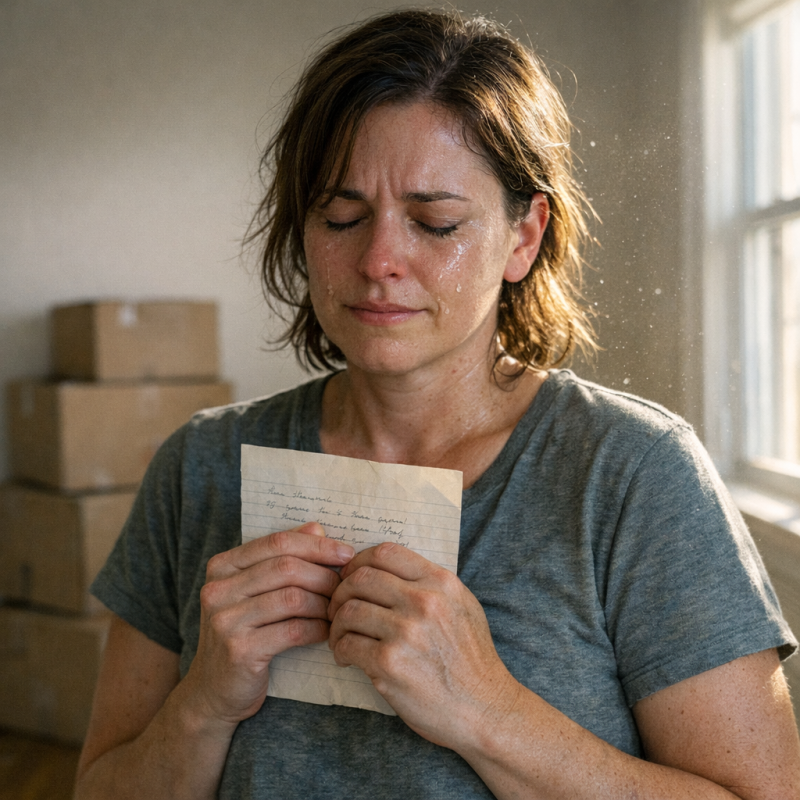 Image by FCT AI