
54. They Cooked His Body
When the scene calmed down, four marines were dead alongside their captain, though many more Hawaiians perished that day as well as in the tense days that followed. In accordance with his status as a high-ranking enemy, the Hawaiians dismembered Cook, burnt him, and then distributed his parts among various chiefs of the island—though, contrary to popular belief, his body was never eaten. In fact, it was partially returned.
 Screenshot from Timewatch, BBC (2009)
55. One Feature Remained
A day later, King Kalaniopu’u allowed priests to return part of Cook’s thigh to his crew, and three days later more parts, including his legs, arms, and hands, made their way back to the ship. Gruesomely, Cook’s men were able to identify his remains by the distinctive scar he had gotten on his hand decades ago in the Seven Years’ War.
Throughout, still-credulous Hawaiians asked officers when Lono would return, and if he would be wrathful.

56. They Tried And Failed To Continue His Legacy
Charles Clerke, who had been commanding the Discovery and now took over as leader of the expedition, cautioned the men against full-scale retaliation and, after burying what he had of Cook at sea, set off as soon as he could.
The ruined voyage still clung to Cook’s plan and sailed north again to find the Northwest Passage—once more to no avail. Exhausted and empty-handed, the crew reached a mournful England in October of 1780, the news of Cook’s death having preceded them by some months.
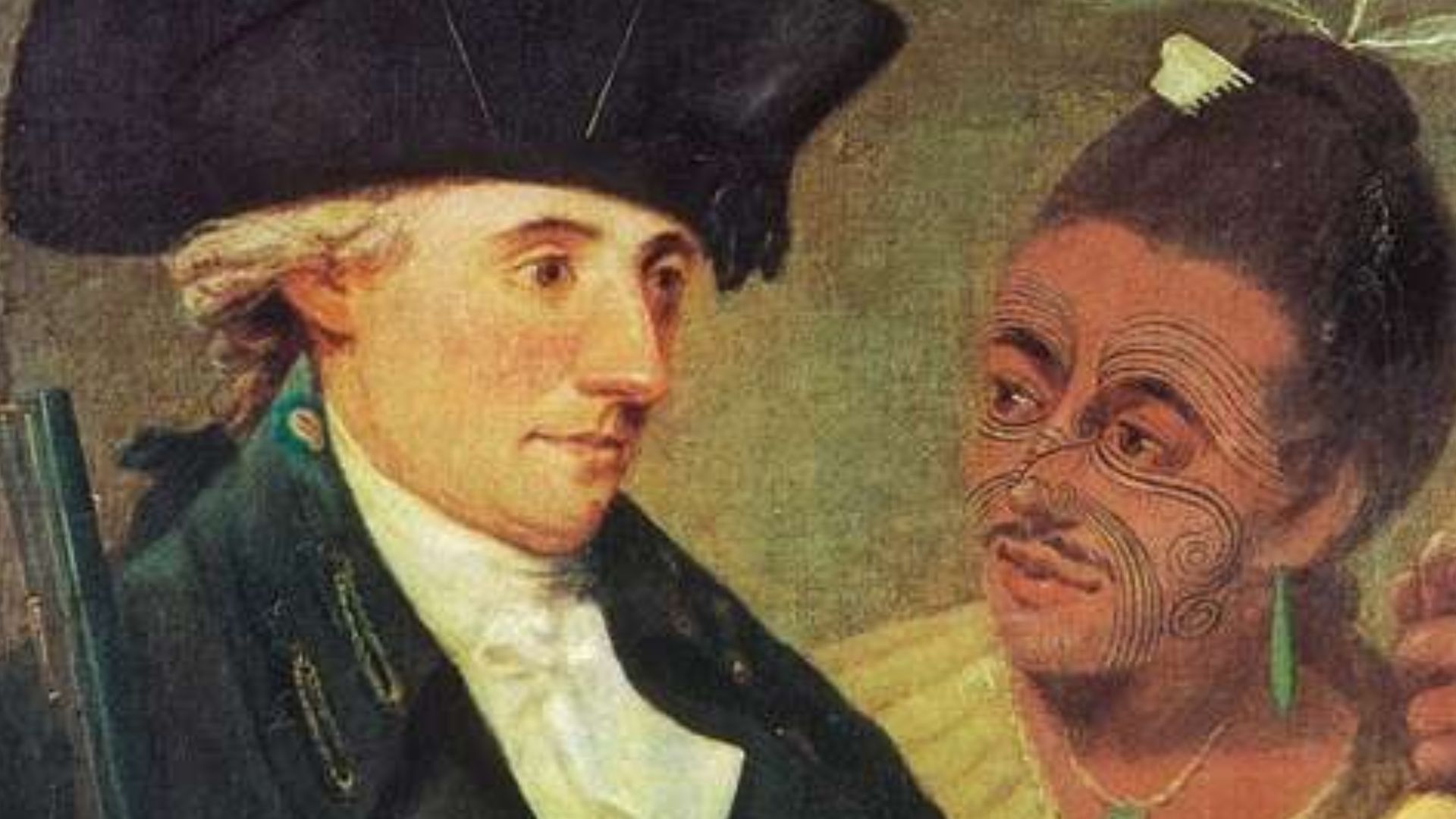 Nathaniel Dance uploaded by User Robinhood on de.wikipedia, Wikimedia Commons
57. He May Have Suffered From Mental Illness
Captain James Cook’s brutal death is now viewed as a cautionary tale of one man’s obsession and hubris, not to mention the obsession and hubris of the colonial project. Even so, that may be only half the story—and modern historians have suggested a new, tragic reason for his disturbing end.
Tracking the change in Cook’s mood and personality from his first to his third voyages, some believe the captain may have been suffering from some mental or physical illness; one that made him cruel, impulsive, and ultimately doomed.
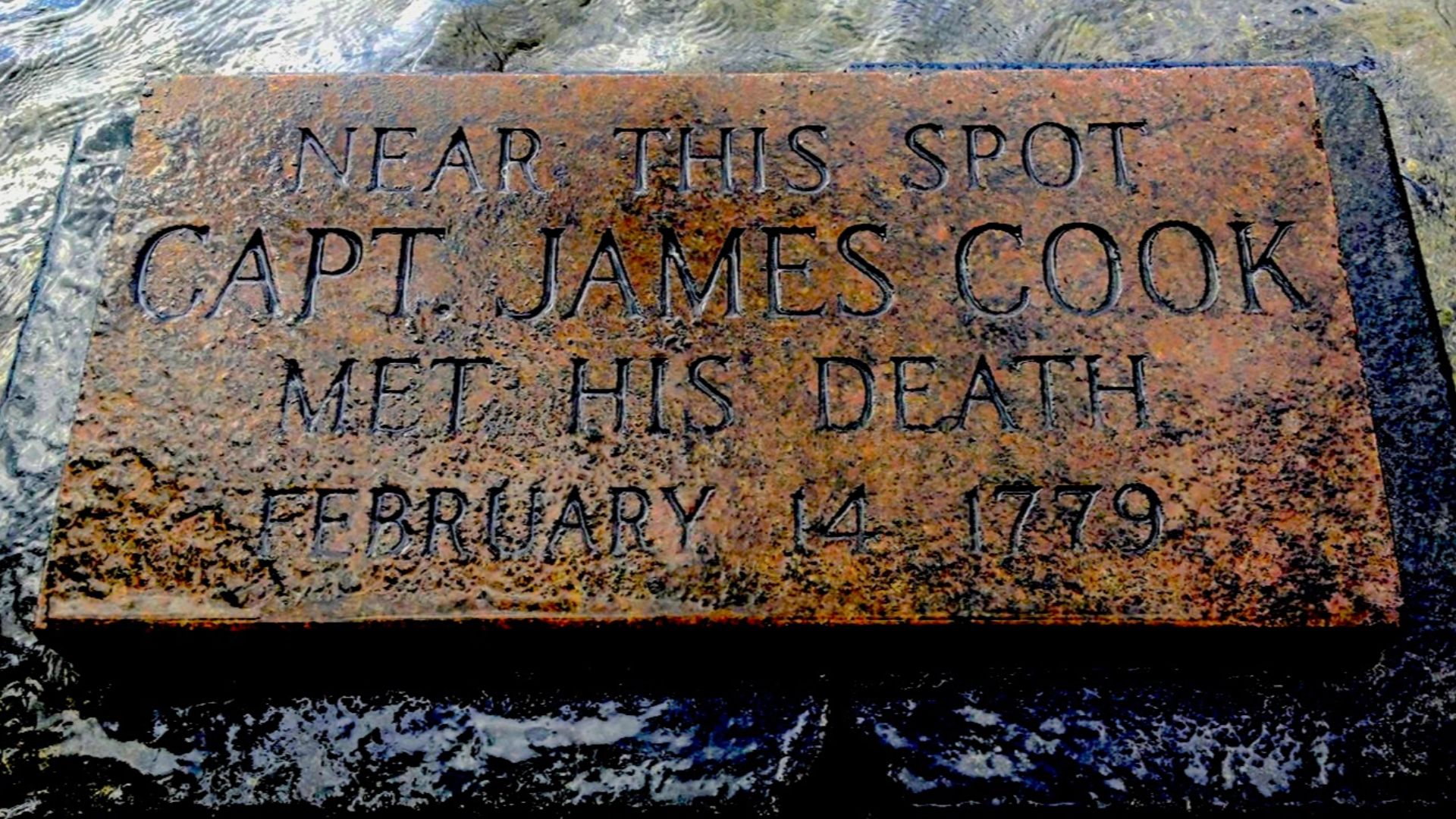 Gillfoto - https://commons.wikimedia.org/wiki/User:Gillfoto, Wikimedia Commons
You May Also Like:
Radical Facts About Charles Dickens, The Greatest Victorian Author
Hush-Hush Facts About Maria Fitzherbert, Britain’s Unseen Queen