The Records Arrive
The formal records request came through three days later. Dr. Chen and I sat in her office, spreading out documents that painted a picture I desperately didn't want to see. Fourteen separate incidents at different hospitals over forty years, all meticulously documented. Each file followed an eerily similar structure: initial complaint, diagnostic imaging showing foreign object, surgical removal, tissue analysis. The objects varied — fragments of metal, glass beads, a piece of carved bone, what one surgeon had described as 'a small mechanical component of unknown origin.' But the pattern was identical. Discovery, shock, intervention, resolution. And in nearly every case, a note about the patient's unusual calmness or his specific knowledge about his own condition. One surgeon in 1998 had written: 'Patient seemed more interested in my reaction than in his own welfare.' Another in 2005: 'Cooperative to an unsettling degree.' Dr. Chen's face was pale as she read through them. 'He's been doing this since before I was born,' she whispered. I turned to the last page of each file, where the attending physicians had signed off. Every record showed the same progression — discovery, shock, surgical intervention, and then Arthur's quiet satisfaction.
 Image by FCT AI
The Lawsuit Pattern
Hollis came back with another folder, this one from civil court records. 'He sued,' she said without preamble. 'Not every time, but often enough.' She showed me six different medical malpractice cases Arthur had filed over three decades. None had gone to trial — all had settled quietly, confidentially, for amounts that seemed almost token. Fifteen thousand here, twenty thousand there. Nothing that would suggest serious injury or lasting harm. 'That's what caught my attention,' Hollis explained. 'These aren't the settlements of someone actually damaged by medical negligence. These are...' She paused, searching for words. 'These are something else.' I looked at the names of the defendants — surgeons, hospitals, clinics. All different, all geographically dispersed. 'What was he after if not money?' I asked. Hollis tapped one of the settlement agreements. 'Look at the terms. He always insisted on a written apology. Always required the doctor to acknowledge their "failure to properly assess" his condition.' She looked at me directly. 'He wanted them on record. Wanted them to remember.' The settlements weren't about money — they were about making the doctors remember what they'd done to him.
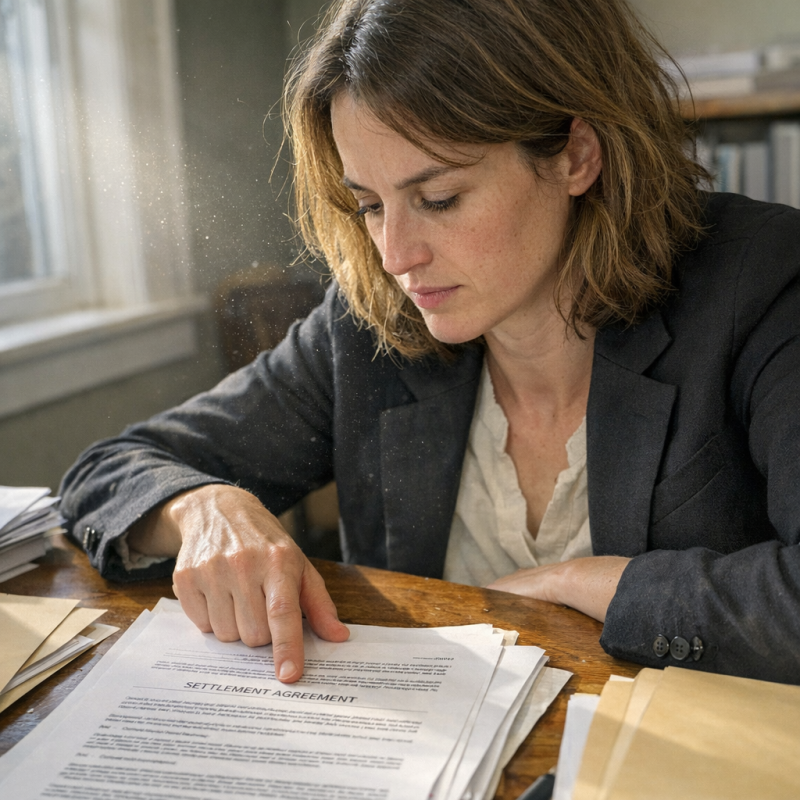 Image by FCT AI
Psychiatric Evaluation
Hospital administration brought in Dr. Vance, a psychiatrist who specialized in factitious disorders and self-harm. I sat in on the evaluation, hoping for answers, for some diagnosis that would make sense of this nightmare. Dr. Vance spent two hours with Arthur, running through standard assessments, asking about his history, his motivations, his understanding of his actions. Arthur was charming, articulate, completely forthcoming about his medical history. He acknowledged the pattern, admitted he'd had 'issues' over the years, but denied any current self-harm. 'I'm an old man with complicated medical conditions,' he told Dr. Vance calmly. 'Sometimes doctors find unexpected things.' When Vance asked directly if Arthur had inserted objects into his own body, Arthur smiled that gentle smile. 'Doctor, I can barely work my phone. You think I'm performing surgery on myself?' The evaluation concluded with findings I dreaded: Arthur was oriented, rational, showed no signs of acute psychiatric distress. Legally competent, not meeting criteria for involuntary commitment. Dr. Vance took me aside afterward, his expression grim. The psychiatrist said Arthur knew exactly what he was doing — and that was the most disturbing part.
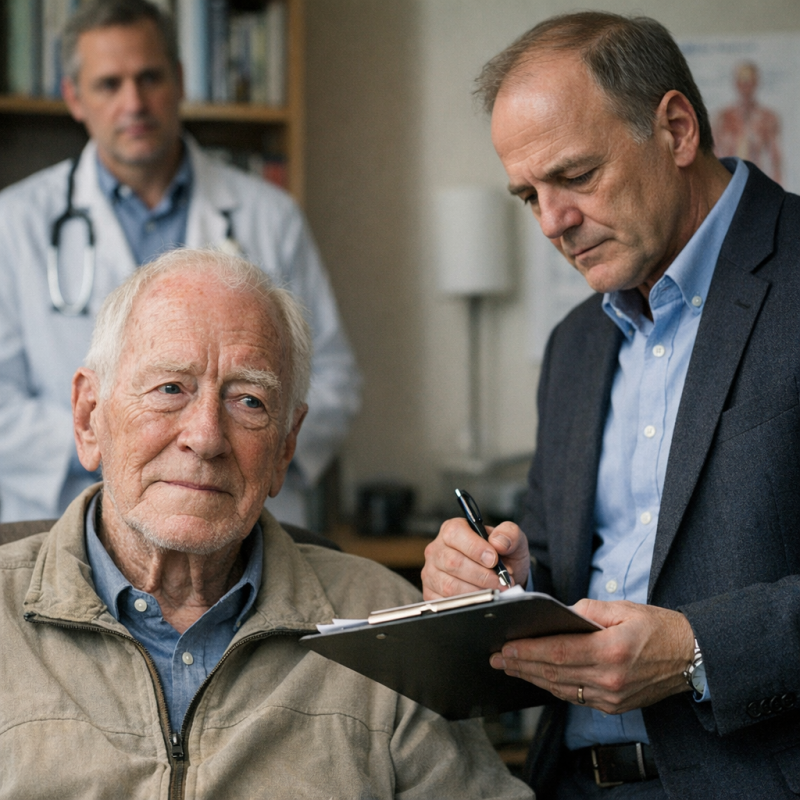 Image by FCT AI
The Other Victims
Hollis tracked down three healthcare workers who'd treated Arthur in previous decades. She set up phone calls, and I listened to their stories with growing horror. Dr. Patricia Emmons had removed a glass bead from Arthur's abdomen in 1994. 'I second-guessed myself for years,' she told us, her voice thin over the speakerphone. 'Wondered if I'd missed something, if I'd been incompetent.' She'd eventually left surgery, moved into teaching. Then there was Nurse Practitioner James Chen — no relation to my Dr. Chen — who'd been involved in a 2003 case. 'He sent me a Christmas card every year for a decade,' James said. 'Always thanking me for my excellent care. It felt... wrong. Like he was reminding me.' But the worst was Dr. Sarah Lindstrom, who'd operated on Arthur in 2008. Hollis had to coax her to even talk about it. 'I don't know what he did or how he did it,' she said, and I could hear tears in her voice. 'But after that case, I started doubting everything. Every diagnosis, every procedure.' There was a long pause. One of them quit medicine entirely — she said she couldn't trust her judgment anymore after what Arthur made her do.
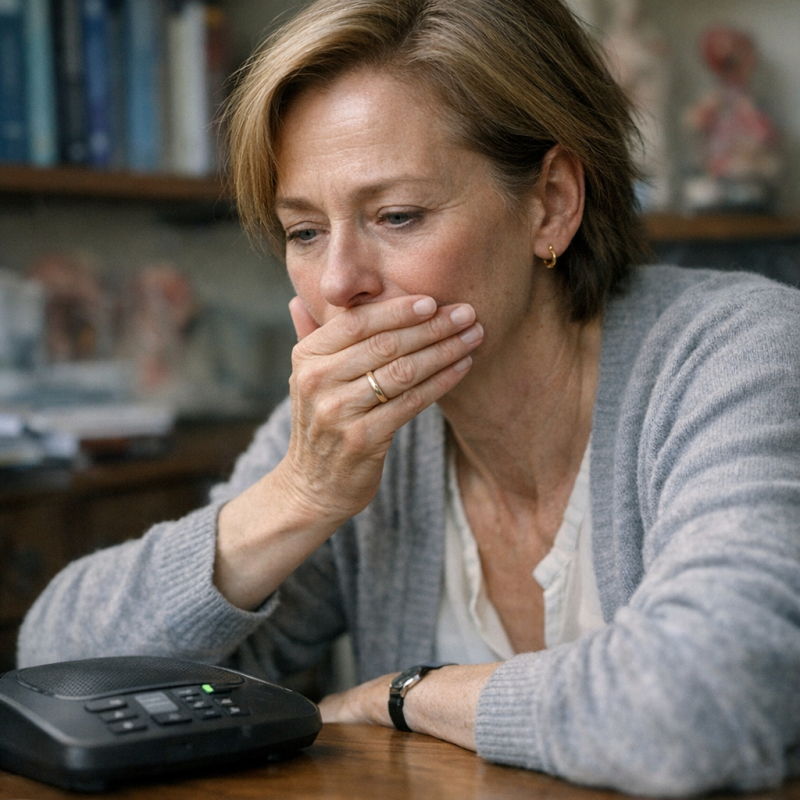 Image by FCT AI
The Breaking Point
I ended up in the hospital chapel at 2 AM, a place I'd passed a thousand times but never entered. The space was small, non-denominational, empty. I sat in the back pew and felt everything I'd been holding back crash over me like a wave. All those years of training, of wanting to help people, of believing I was good at my job — and Arthur had turned it all into a performance for his benefit. I'd been so proud of that first extraction, so confident in my skills. But I hadn't been skilled. I'd been manipulated. Used. He'd guided me through every step, and I'd thought I was the one in control. The other victims Hollis had found — I could see my future in their broken voices. How many years would I doubt myself? How many patients would I second-guess? I put my head in my hands and cried, really cried, for the first time since this whole nightmare began. The empty chapel didn't offer any answers, any comfort. Just silence and the weight of understanding. I thought I was helping people — but Arthur made me an accomplice in his sick game.
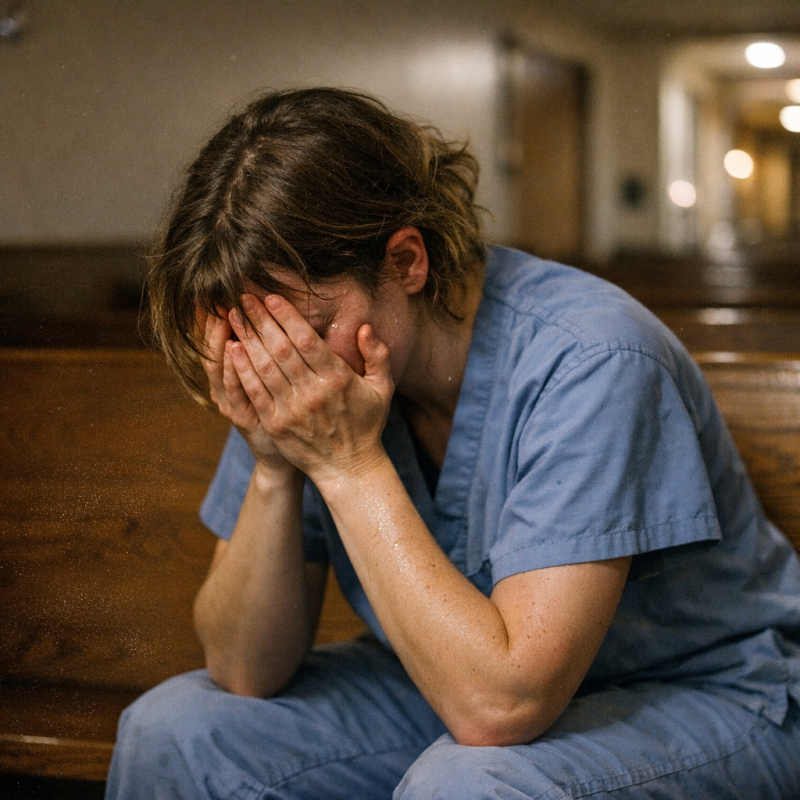 Image by FCT AI
Arthur's Visitor
I was doing chart work the next afternoon when I noticed someone unfamiliar entering Arthur's room. A young woman, mid-twenties, wearing a short white coat that marked her as a medical student. I watched through the window as she introduced herself, sat down beside Arthur's bed. He brightened immediately, that same grandfatherly warmth I remembered so well. She had a notebook, was asking questions, clearly fascinated by his case. I could see her leaning forward, engaged, probably thinking about the incredible learning opportunity this represented. Arthur was animated, gesturing, no doubt telling her about his complicated medical history. About all the doctors who'd treated him, all the unusual findings. I saw him touch her hand gently, reassuringly, the way he'd touched mine. The student smiled, nodded, wrote something down. She was hooked — I could see it in her posture, in the way she hung on his words. My hand was on the door handle before I consciously decided to move, every protective instinct screaming. But I froze, watching. I watched Arthur smile at her the same way he'd smiled at me — and I knew she was next.
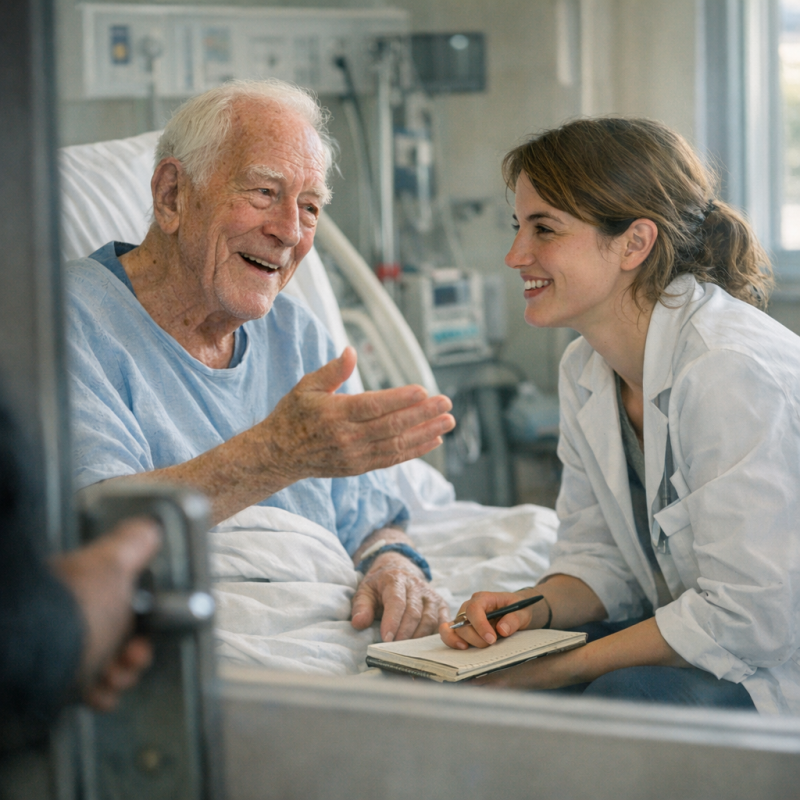 Image by FCT AI
The Warning
I caught up with the medical student in the hallway, still holding her notebook, her eyes bright with enthusiasm. She introduced herself as Emma, third-year, doing her clinical rotation. I tried to keep my voice calm as I told her she needed to be careful with Arthur, that his case was more complicated than it seemed. She smiled politely, nodding, but I could see the dismissal in her eyes. 'I appreciate the concern,' she said, 'but Dr. Chen already briefed me on his history. It's fascinating, really — the psychological component of chronic medical conditions.' I felt something crack inside me. I told her it wasn't about psychology, that Arthur was manipulative, that he'd drawn me in the same way. Her expression shifted then, became sympathetic in a way that made my stomach turn. 'I know these complex cases can be emotionally draining,' she said gently. 'Maybe you should talk to someone about transferring his care?' She thought I was burnt out, possessive, maybe jealous of her fresh perspective. I wanted to grab her shoulders, shake her, make her understand. But I just stood there, watching her walk back toward Arthur's room with that confident stride. She looked at me with pity, the same way I must have looked at people who questioned my judgment — before Arthur.
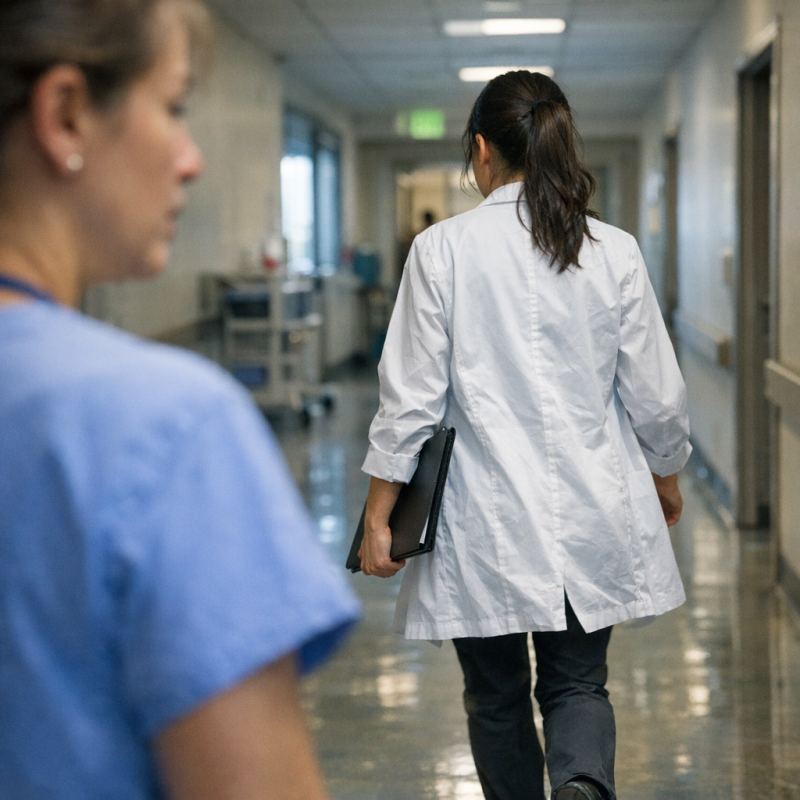 Image by FCT AI
The Fourth Object
The imaging results came back two days later, and Dr. Chen called an immediate meeting. Dr. Ramirez joined us in the conference room, pulling up the scans on the large display. There it was — a fourth object, smaller than the others, lodged directly against Arthur's thoracic spine at T6. The placement was surgical in its precision, positioned exactly where it would press against the spinal cord. 'This wasn't visible on the initial CT,' Dr. Ramirez said quietly. 'It must have migrated slightly, or the inflammation finally made it apparent.' But I was staring at the location, feeling cold certainty wash over me. That object hadn't migrated. It had been placed there, deliberately, in a spot that created an impossible decision. Dr. Chen traced the proximity with her pointer. 'Any attempt to remove this carries significant risk of spinal cord injury. We're talking potential paralysis from the waist down.' Arthur had been in the room during his previous scans — he'd known about this object all along. He'd watched us find the others, saying nothing, waiting for us to discover this final trap. Dr. Chen said removing it could cause paralysis — but leaving it could cause worse, and Arthur knew that when he put it there.
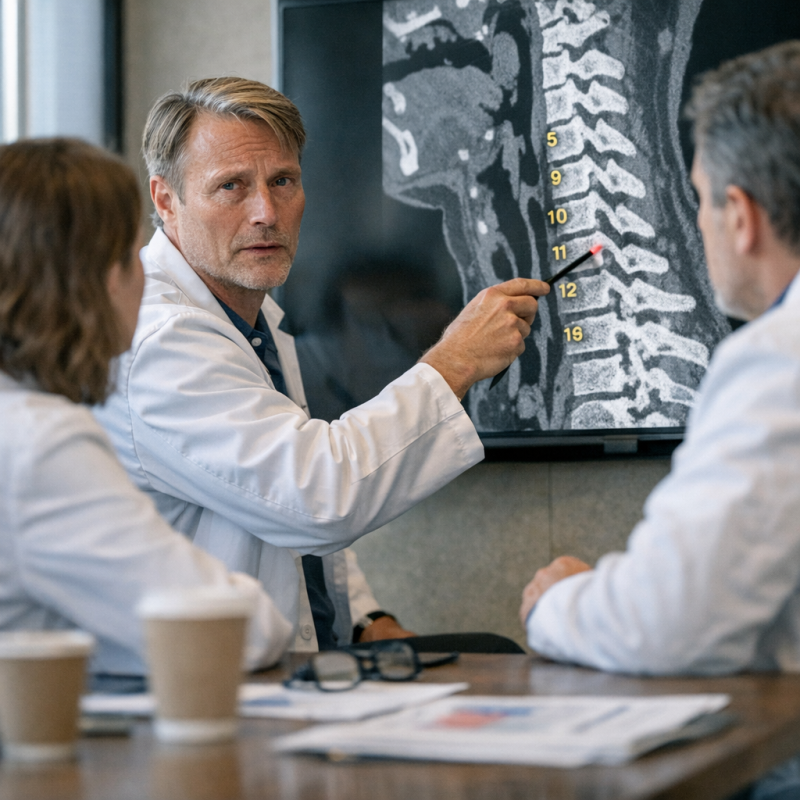 Image by FCT AI
Legal Consultation
Morris arranged the meeting with the hospital's legal counsel, a sharp-eyed woman named Patricia Vance who'd handled Arthur's previous lawsuit. She spread the case files across the conference table, her expression grim. 'Legally, Mr. Hillcrest is in a perfect position,' she said. 'He has a right to refuse any treatment. If you operate without explicit consent, given his history of litigation against this facility, he will sue — and he will win.' I explained about the fourth object, the risk of leaving it, but she just shook her head. 'Doesn't matter. Medical necessity isn't a defense if the patient has capacity and refuses. And Arthur Hillcrest is demonstrably of sound mind.' Morris asked about psychiatric evaluation, about declaring him incompetent, but Vance shut that down immediately. 'He's eccentric, possibly personality-disordered, but not legally incompetent. Every psychiatric evaluation he's undergone has confirmed that.' I felt the walls closing in. 'So what do we do?' Vance closed her folder. 'You wait. You document everything. And you hope he consents — on his terms.' We were completely trapped, and Arthur had built the cage brick by brick over months. The lawyer said Arthur had the right to refuse treatment — and if we operated without consent, he could sue us again.
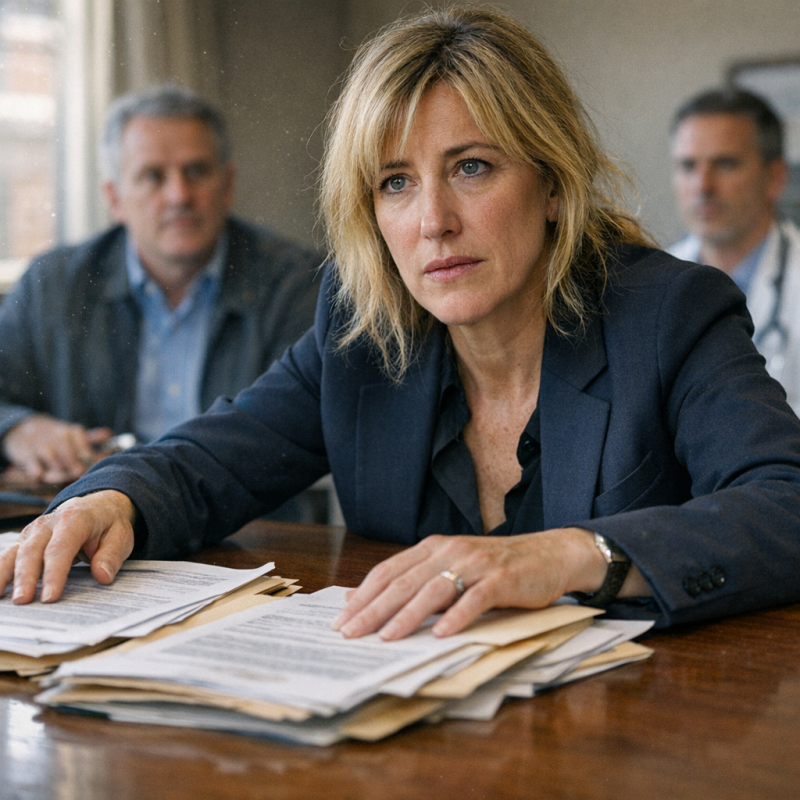 Image by FCT AI
Arthur's Offer
Arthur requested to see me the next morning. I found him sitting up in bed, looking frailer than before but with that same knowing expression. 'I understand there's been some concern about the new finding,' he said, as casually as if discussing the weather. I told him the truth — that the object near his spine needed to come out, but the surgery was high-risk. He nodded slowly, folding his hands. 'I've been thinking about that. I'm willing to consent to the procedure.' Relief flooded through me for exactly three seconds. 'But I have one condition.' Of course he did. 'I want you there. In the operating room. Assisting Dr. Ramirez.' I felt my throat tighten. 'Arthur, I'm not a surgeon. I don't—' 'You're the only one who truly understands my case,' he interrupted gently. 'I trust you. I need you there.' It was perfectly constructed, perfectly manipulative. If I refused, the surgery wouldn't happen and he'd deteriorate. If I agreed, I'd be present for whatever he'd planned, whatever mistake he'd engineered this time. My hands would be involved, my judgment implicated. He smiled that grandfatherly smile. He said he trusted me — and I knew that meant he wanted me there when something went wrong.
 Image by FCT AI
The Decision
I spent six hours agonizing over the decision before finally finding Dr. Chen in her office. She looked up from her paperwork, reading my expression immediately. 'He asked you to be there,' she said. It wasn't a question. I nodded, explaining Arthur's conditional consent, and she leaned back in her chair with a long exhale. 'You know it's a trap.' 'I know.' 'And you're going to do it anyway.' I couldn't explain it rationally — the professional obligation, the guilt, the sense that refusing would make me complicit in whatever happened next. Maybe that was exactly what Arthur understood about healthcare workers, that we couldn't walk away from suffering even when we knew we were being manipulated. 'I have to,' I said finally. Dr. Chen studied me for a long moment, then nodded. 'I'll be there too. We'll have maximum support staff, every precaution documented. If he's planning something, we'll be ready.' But we both knew that wasn't true. Arthur was always three steps ahead, and we were just now seeing the step he'd planted six months ago. I told myself I was doing it to help him — but I knew I was doing it because he'd left me no other choice.
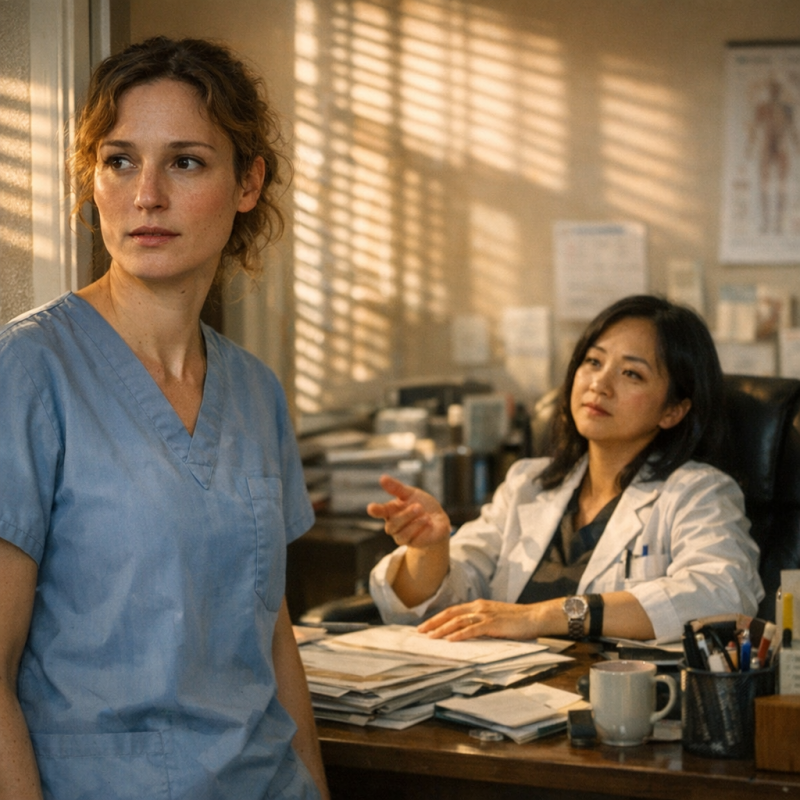 Image by FCT AI
Pre-Surgery Night
That night I couldn't sleep, so I started searching again — deeper this time, going through old medical journals and hospital archives I should have checked months ago. Arthur Hillcrest. Physician. The words jumped out at me from a 1987 article in the Journal of Clinical Medicine. I read it three times, my coffee going cold beside me. The article described an unusual case of foreign body insertion, a patient who'd been 'deliberately enigmatic' about the origin of objects found in his tissue. The attending physician had noted the patient's 'sophisticated understanding of medical procedures' and 'apparent psychological gratification from the diagnostic process.' The attending physician's name was listed at the bottom. Dr. Arthur Hillcrest, MD. Internal Medicine. St. Catherine's Hospital, 1962-1991. He'd been on the other side. He'd been the one asking questions, ordering tests, making diagnoses. And somewhere along the way, he'd switched roles, becoming the patient, the mystery, the impossible case. How many years had he spent studying healthcare workers, understanding how we thought, what made us tick, what mistakes we were prone to making? He'd had a whole career to learn our weaknesses. I found a medical journal article from 1987 about an unusual case — the patient was described as 'deliberately enigmatic,' and the doctor was Arthur himself.
 Image by FCT AI
The Morning Of
Surgery was scheduled for seven AM. I arrived at five-thirty to find Arthur already awake, sitting calmly in his pre-op bed. Nurse Beth was checking his vitals, and he was chatting with her about her daughter's soccer tournament, remembering details from a conversation weeks ago. He saw me and brightened. 'Ah, there you are. Ready for our big day?' Our big day. Like we were partners in this. I tried to match his calm tone, going through the consent forms one final time, explaining every risk in clinical detail. He signed without hesitation, his handwriting still elegant and steady despite his age. 'You seem tense,' he observed, those pale eyes studying my face. 'It's a serious surgery,' I managed. He smiled, reaching out to pat my hand with surprising warmth. 'I know it is. That's why I wanted you there. You care about getting it right. You'll be meticulous.' Beth finished the IV insertion and left to prep the OR. We sat there in the quiet room, pre-dawn light filtering through the blinds. Arthur looked almost peaceful, like he was exactly where he wanted to be. He asked if I was nervous, and when I said yes, he smiled and said, 'Good — that means you'll be careful.'
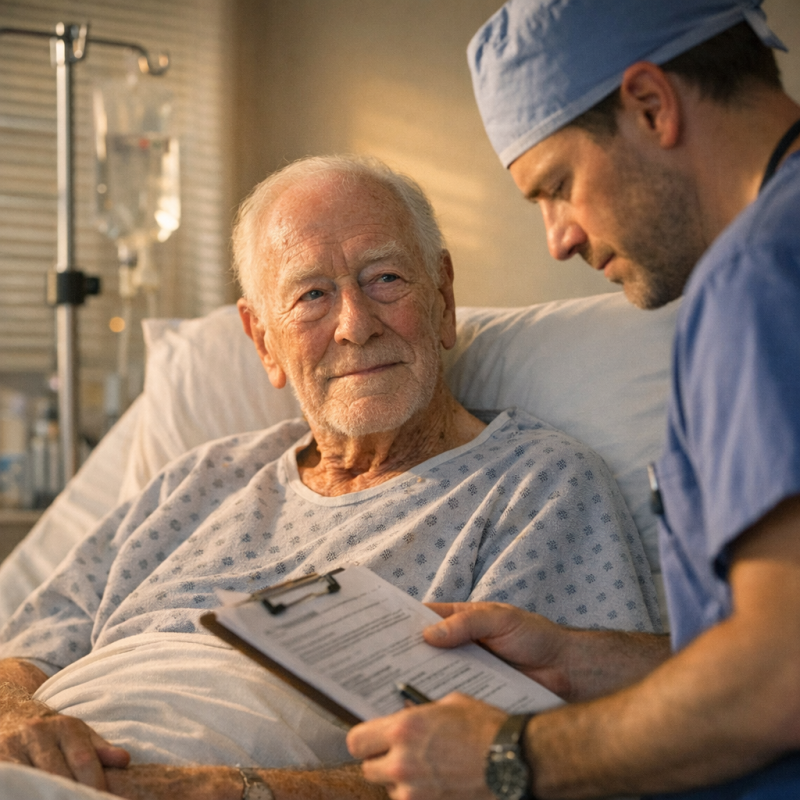 Image by FCT AI
The Truth Revealed
We were fifteen minutes from transport when Margaret burst through the pre-op doors, Detective Hollis right behind her. Margaret was clutching something against her chest — leather-bound notebooks, three of them, worn with age. 'Don't do the surgery,' she said, her voice shaking. 'Not until you see these.' Dr. Chen tried to intervene, citing protocol, but Hollis held up her badge. 'This is part of an active investigation now. Five minutes.' Margaret opened the first journal with trembling hands. I recognized Arthur's elegant script immediately, but these entries went back decades. 1974. 1983. 1995. Page after page of meticulous documentation — dates, objects used, hospitals visited, names of doctors and nurses. Each entry described the placement of foreign objects, the symptoms engineered, the diagnostic process observed. But it was the commentary that made my blood freeze. Arthur had rated his 'performances,' analyzed each healthcare worker's psychological vulnerabilities, documented the exact moments we made mistakes under pressure. He'd recorded his satisfaction at watching us struggle, his pleasure at our confusion and growing obsession. There were fifty years of entries, dozens of hospitals, hundreds of healthcare workers manipulated into his game. The journals documented everything — every object, every doctor, every mistake he engineered, spanning fifty years of calculated manipulation.
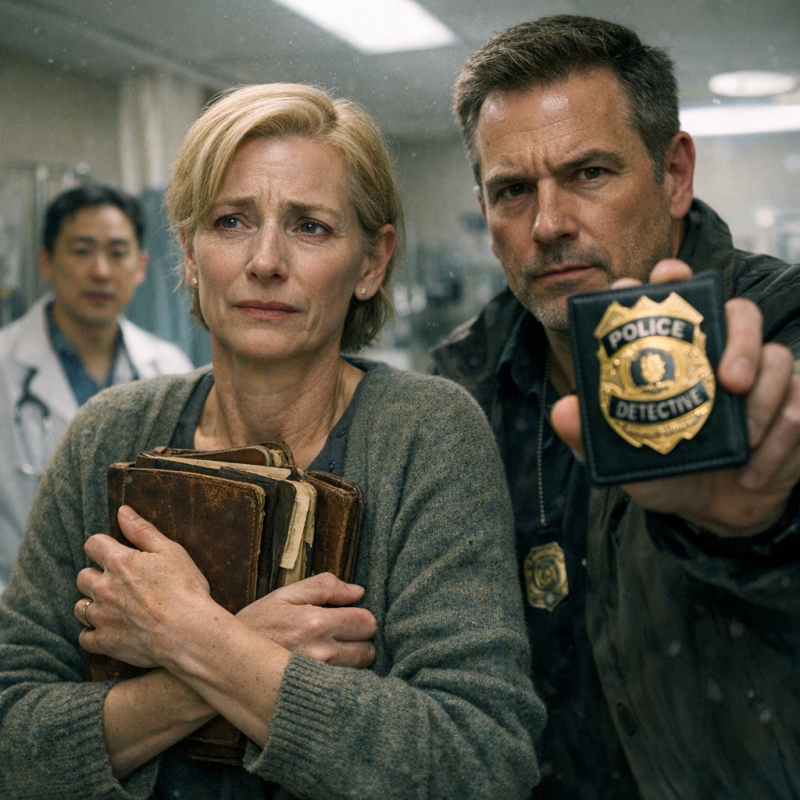 Image by FCT AI
Confronting Arthur
Dr. Chen and I went into Arthur's pre-op room with Detective Hollis standing in the doorway. The journals sat on the bedside table between us like evidence at a trial. I remember my hands were shaking as I asked him directly: 'Did you do this? All of it? Fifty years of manipulating doctors, engineering symptoms, creating diagnostic nightmares just to watch us struggle?' Arthur looked at me with those pale eyes, and for the first time, I saw something behind them — not shame, not remorse, but satisfaction. He didn't deny anything. Instead, he smiled slightly and said, 'I spent my entire life being invisible. A clerk, a file manager, someone people looked through rather than at. But in those treatment rooms? When you couldn't figure out what was wrong, when you lost sleep over my case, when you became obsessed with solving me?' He paused, letting the words settle. 'I was finally the most important person in someone's world. I was seen. I was special.' Dr. Chen's jaw tightened beside me. The clinical detachment I'd relied on my entire career crumbled as Arthur asked me directly: 'So tell me, Doctor — do you finally understand what it means to be truly seen?'
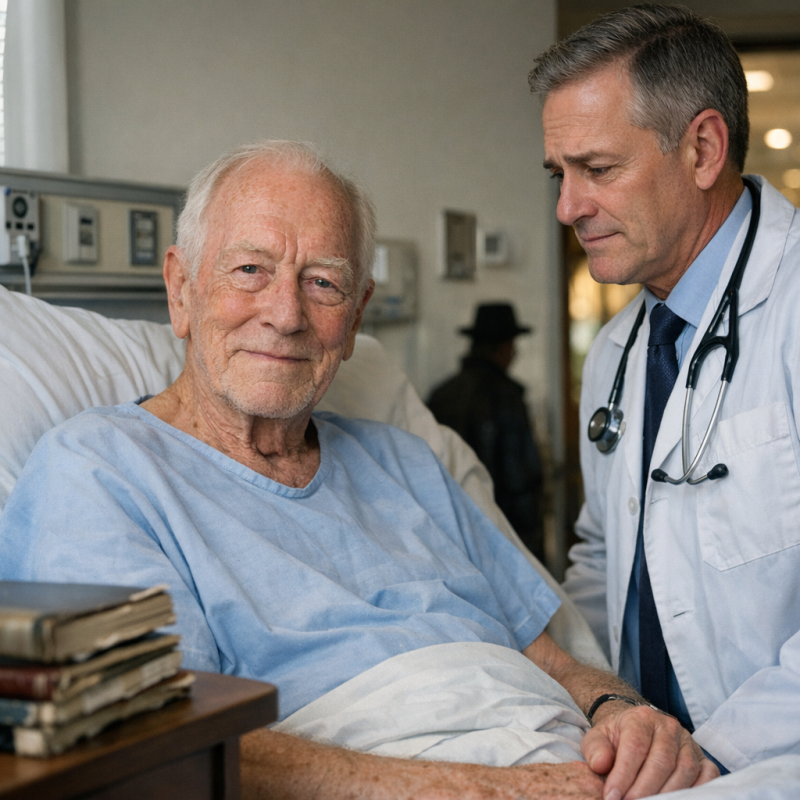 Image by FCT AI
The Impossible Surgery
We held an emergency meeting in Morris's office — me, Dr. Chen, Dr. Ramirez, and the hospital administrator himself. The ethical dilemma was brutal. Arthur had legally consented to the surgery. He was competent, aware of the risks, and despite everything in those journals, he was still technically our patient. Morris wanted to refuse on moral grounds, but Dr. Ramirez pointed out the surgical reality: the fourth object was positioned near vital structures, and delaying increased the risk exponentially. I argued we should report everything and let another facility handle it, wash our hands of the whole nightmare. But Dr. Chen, always two steps ahead, shook her head. 'If we refuse him, he just goes to St. Catherine's or Memorial. Another surgical team, another set of doctors who don't know what they're walking into. He's been doing this for fifty years — do you really think our refusal will stop him?' The room went silent. She was right. We could protect ourselves, but only by throwing other healthcare workers into Arthur's trap. Morris rubbed his temples, looking every one of his fifty-eight years. Finally, Dr. Chen said what we were all thinking: 'We could refuse, but Arthur would just go to another hospital — and another doctor would fall into his trap.'
 Image by FCT AI
The Operation Begins
The OR felt different that morning. Everyone on the surgical team knew about the journals now — Jamie, Dr. Ramirez, the anesthesiologist, even the nurses. We moved with extreme caution, double-checking every medication, every instrument, every decision. Arthur lay unconscious on the table, finally quiet, finally still, but somehow his presence felt heavier than ever. I kept thinking that any complication, any misstep, would be exactly what he wanted. Dr. Chen made the first incision with steady hands, but I could see the tension in her shoulders. We worked in near-silence, the only sounds the monitors and the surgical instruments. Dr. Ramirez identified the fourth object's location near the abdominal aorta — it was going to be delicate work. Jamie assisted with unusual precision, his usual nervous energy replaced by focused determination. Everything was going according to plan. We were being perfect, textbook, flawless. And somehow that made it worse, because I kept waiting for the other shoe to drop. Then, ten minutes into the procedure, the monitors started alarming — Arthur's blood pressure was dropping fast.
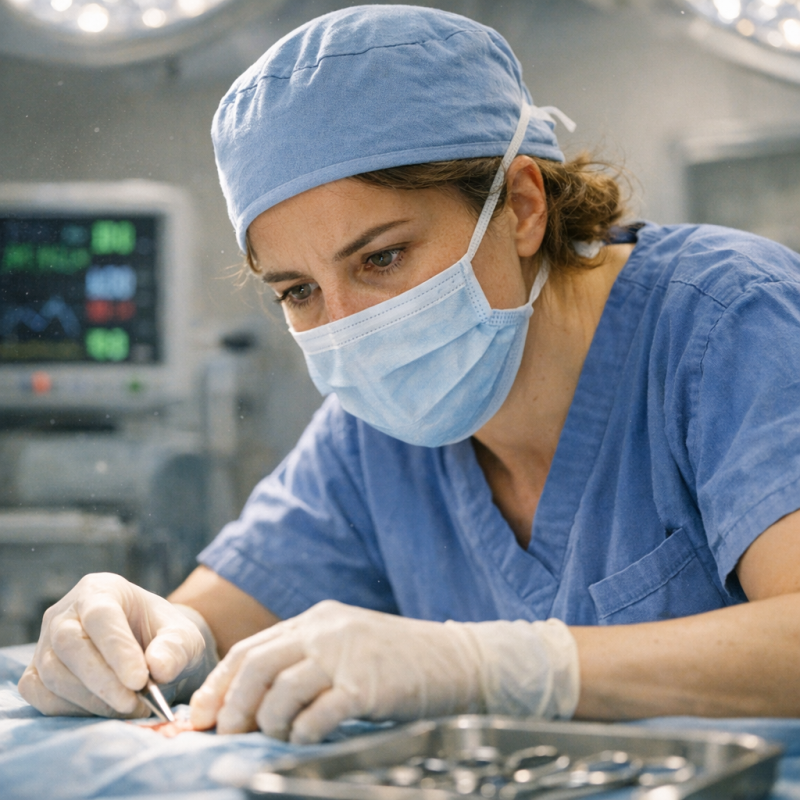 Image by FCT AI
The Crisis
The bleeding started suddenly and wouldn't stop. Dr. Ramirez tried to clamp the vessels, but blood kept welling up faster than we could control it. 'Suction!' Dr. Chen called out, her voice sharp. The field was flooding. Jamie worked frantically beside her while I checked the anesthesia records, looking for anything we'd missed. That's when I saw it — Arthur's pre-op clotting times were borderline, but within acceptable range. Except now, watching the uncontrolled hemorrhaging, the pattern clicked into place. 'He took something,' I said aloud. 'Before surgery. Anticoagulants.' Dr. Ramirez ordered labs stat, but we already knew. The bleeding was too profuse, too persistent. Arthur had sabotaged his own blood's ability to clot, probably took warfarin or something similar in the days leading up to surgery, carefully dosed to stay just under our detection threshold. Now, with surgical trauma, his blood wouldn't stop. Dr. Chen worked desperately to control the bleeding sites, but more kept opening up. Jamie's hands were shaking. The monitors showed Arthur's pressure continuing to drop. Dr. Ramirez looked up from the surgical field, his face grim, and said what we were all thinking: 'He's going to die on the table — and he'd planned it that way all along.'
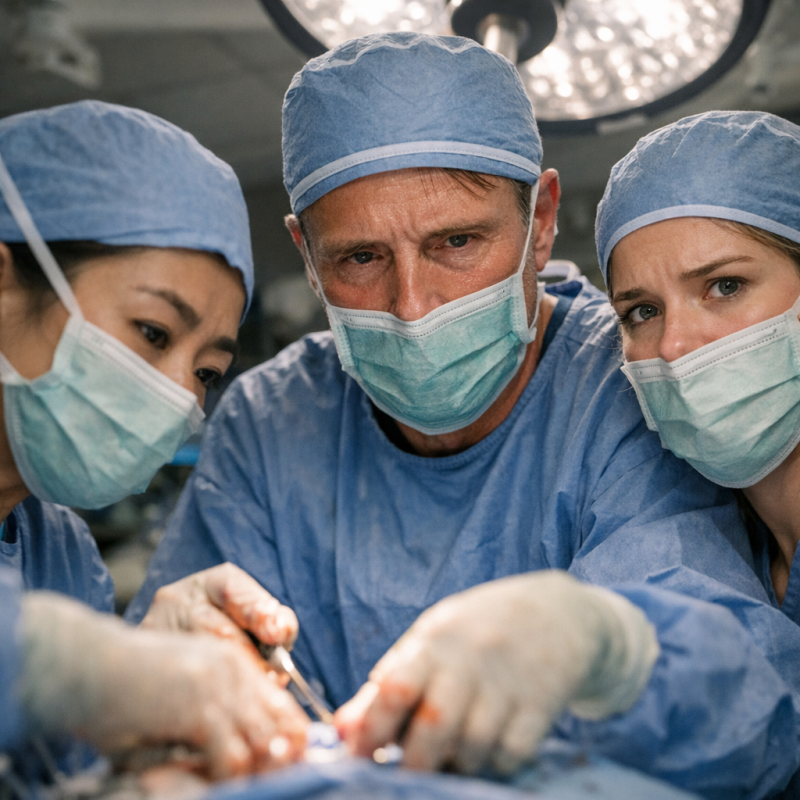 Image by FCT AI
Fighting for His Life
We fought for him anyway. I don't know why — maybe because that's what we're trained to do, maybe because letting him die felt like the ultimate manipulation, or maybe because despite everything, he was still a human being bleeding out on our table. Dr. Chen called for massive transfusion protocol. Jamie ran to get fresh frozen plasma and platelets. Dr. Ramirez packed the abdomen while I pushed medications to try to reverse the anticoagulation. Every minute felt like an hour. Every alarm, every dropping number on the monitor felt like Arthur winning from beyond consciousness. We pumped units of blood and clotting factors into him, working with desperate efficiency. Dr. Chen's usually calm voice had an edge to it as she called for more suction, more retraction, more of everything. My arms ached from manual pressure on bleeding vessels. Jamie's scrubs were soaked with blood. And the whole time, I kept thinking: if we saved him, we'd be playing into his hands — but if we let him die, we'd never forgive ourselves.
Stabilization
Four hours later, Arthur's vitals finally stabilized. Dr. Chen had managed to remove the fourth object — a small metal cylinder — while simultaneously controlling multiple bleeding sites. Dr. Ramirez closed the abdomen in layers while Jamie and I monitored every fluctuation in Arthur's blood pressure, heart rate, oxygen saturation. The transfusion protocol had worked, barely. Arthur had received twelve units of blood, eight of plasma, and countless clotting factors. The anesthesiologist said it was the closest call she'd seen in fifteen years. We moved Arthur to the ICU, and I remember standing in the hallway afterward, still in my bloody scrubs, absolutely exhausted. Dr. Chen looked like she'd aged a decade. Jamie sat on the floor with his head in his hands. We'd done it. We'd saved his life through sheer stubborn determination and medical skill. We'd beaten the complications he'd engineered, pulled him back from the edge of death he'd carefully constructed for himself. But as we stood there in that hallway, none of us felt victorious. The silence between us was heavy with the same unspoken thought: We saved his life — and I couldn't tell if that made us heroes or fools.
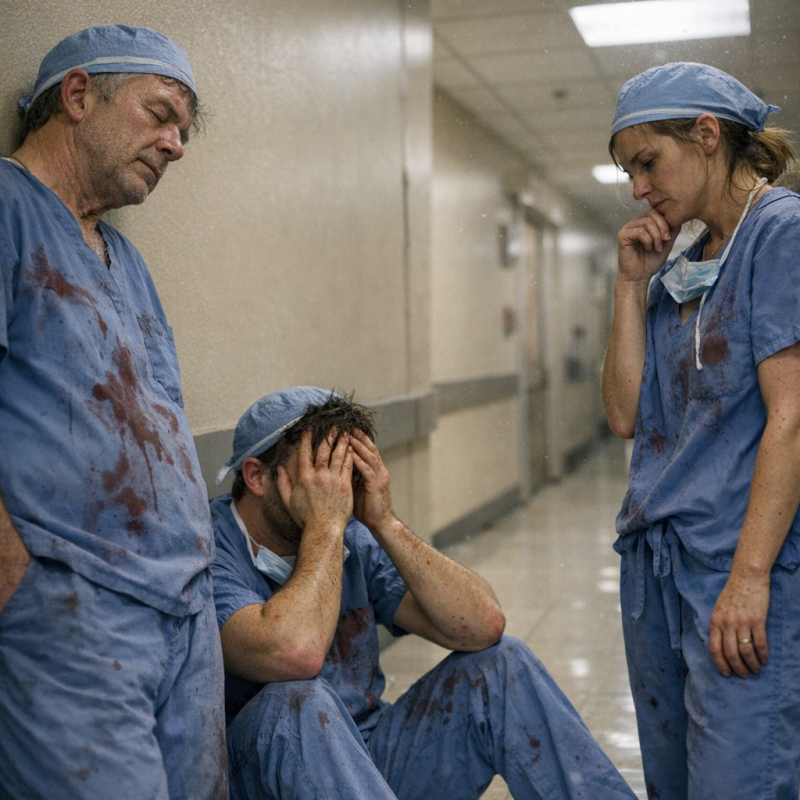 Image by FCT AI
Post-Op Revelation
Arthur woke up six hours post-op. Dr. Chen and I were doing rounds when his eyes opened, still clouded with anesthesia but aware. I expected fear, or relief, or confusion — normal post-surgical responses. Instead, I saw disappointment. 'You saved me,' he said, his voice weak but clear. It wasn't a question. It was an accusation. Dr. Chen checked his vitals professionally, but I could see her jaw tighten. 'Yes,' I said. 'Despite everything, despite what you did, we saved your life.' Arthur turned his head slightly to look at me directly. 'That wasn't what was supposed to happen. I'd planned it perfectly — the anticoagulants, the timing, the complexity of the surgery. Dying on the table would have been the perfect ending to my story. Fifty years of making myself seen, and finally, a finale that would haunt you forever.' My stomach dropped. Even now, even lying in an ICU bed, he was still orchestrating, still manipulating. 'You think saving you was a mistake?' Dr. Chen asked quietly. Arthur smiled, that same slight smile from before. 'No,' he said. 'Because now you'll always wonder. Every day for the rest of your career, you'll ask yourself if you should have tried just a little less hard. If you should have let me go.' And standing there, looking at his satisfied expression, I realized he'd still won, because now I'd always wonder if I should have let him.
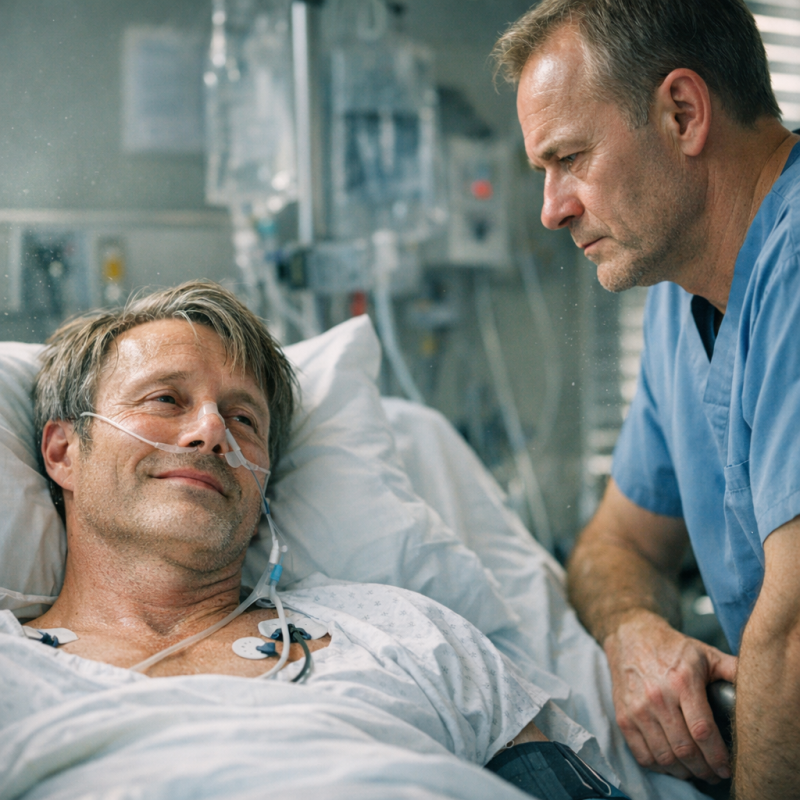 Image by FCT AI
The Final Object
Dr. Kovac called me three days later. I'd been avoiding the pathology lab, not wanting to see the fourth object Arthur had embedded in himself, but Kovac insisted I come down personally. When I got there, he had the metal cylinder laid out on the examination table under bright lights. It was stainless steel, about two inches long, carefully machined. 'I almost sent this through standard processing,' Kovac said, 'but something made me look closer.' He handed me a magnifying glass. The surface of the cylinder was covered in tiny engraved text, the letters so small they were barely visible to the naked eye. Names. Dozens of them. Kovac had already started transcribing them — Dr. Patricia Morrison, St. Luke's Hospital, 1974. Dr. James Chen, Memorial Medical, 1983. Dr. Sarah Williamson, County General, 1995. On and on, the complete record of fifty years of manipulation, all the doctors Arthur had targeted, all the lives he'd invaded, carved into metal and inserted into his own body like a trophy. My hands started shaking as I scanned down the list, because I knew what I was going to find before I found it. There, at the bottom, in fresh engraving that was cleaner and sharper than the rest: 'Dr. [my name], Regional Medical Center, 2024.' My name was already on it — he'd engraved it before he ever came to the hospital.
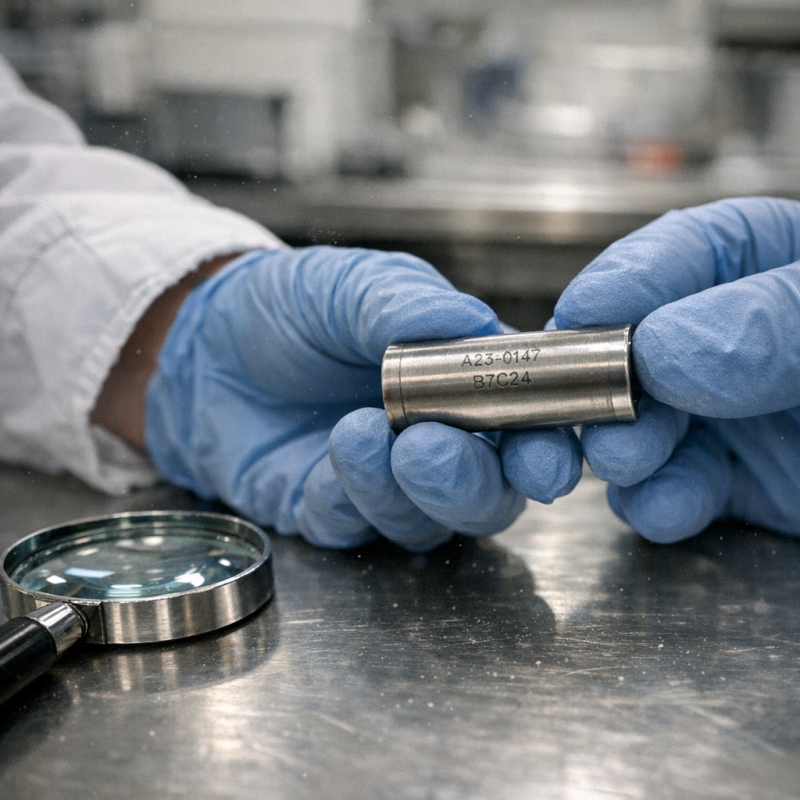 Image by FCT AI
Margaret's Goodbye
Margaret showed up at my office two days after Kovac showed me that cylinder. She looked like she hadn't slept in weeks, and honestly, I couldn't blame her. 'I need to tell you something,' she said, settling into the chair across from my desk. 'I'm done. I'm cutting him off completely — changing my number, blocking all contact. I should have done it years ago.' She twisted her hands in her lap, and I saw tears forming. 'I'm so sorry I didn't warn you sooner. I knew what he was, what he does to people, but I kept hoping... I don't know. That he'd changed, maybe. That he'd gotten too old for this.' She laughed bitterly. 'Stupid, right?' I told her it wasn't stupid, that hope was human. She shook her head. 'He'll find someone new,' she said quietly. 'Another doctor, another hospital. He always does. It's what gives him purpose.' She stood to leave, pausing at the door. 'All we can do is try to warn them before it's too late.'
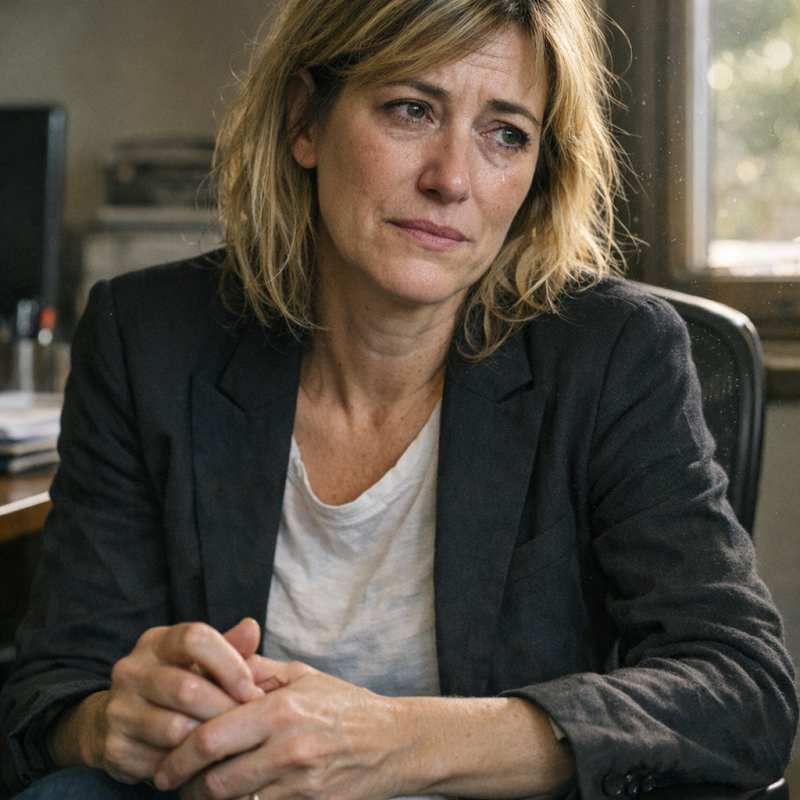 Image by FCT AI
Arthur's Discharge
Arthur was medically cleared for discharge on a Thursday morning. All his wounds had healed, his vitals were stable, and despite everything we knew about what he'd done, there were no legal grounds to keep him. Beth and I handled the discharge paperwork in near silence, both of us moving through the motions like we were sleepwalking. I watched him gather his few belongings, moving slowly but steadily, that same calm expression on his face that I'd seen from the beginning. When the wheelchair came — hospital policy for discharges — he waved it away and walked out on his own. I followed him to the entrance, some compulsion I couldn't name making me see him off. At the automatic doors, he turned back to me, extended his hand for a shake. 'Thank you, Doctor,' he said, his grip surprisingly firm. 'For your care. Your attention. For seeing me.' The doors slid open, and he stepped through into the sunlight. As I watched him walk away, I knew with absolute certainty I'd see his name in the news again someday.
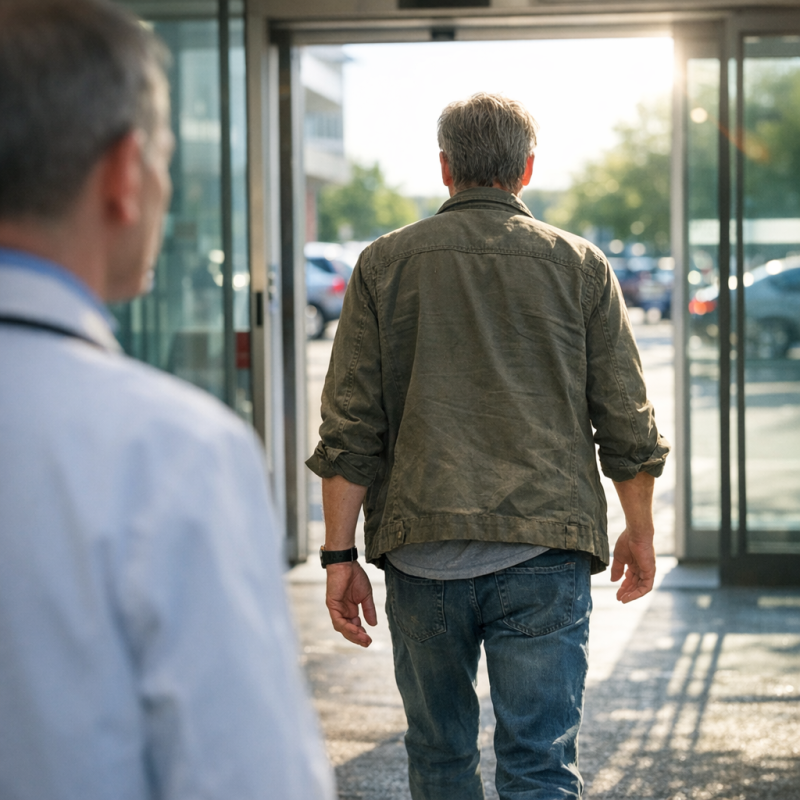 Image by FCT AI
Aftermath
I started therapy three weeks after Arthur left. The hospital insisted on it, actually — mandatory counseling for 'exposure to unusual patient trauma dynamics,' which was corporate speak for 'your patient manipulated you and we're worried about liability.' My therapist was kind, professional, asked all the right questions. We talked about boundaries, about the difference between caring for patients and being consumed by them. About how some people view medical attention as a form of intimacy, a way to feel seen that they can't find anywhere else. It helped, sort of. I went back to work after a month, but everything felt different. Every elderly patient made me hypervigilant. Every skin anomaly felt like a potential trap. I started having dreams about finding things embedded in my own skin, waking up running my hands over my arms looking for lumps that weren't there. During one session, my therapist leaned forward and asked, 'If you could go back to that first day, seeing that blackhead on Arthur's skin, would you do anything differently?' I sat there for a long time, and I honestly didn't know the answer.
 Image by FCT AI
The Next Patient
Four months later, I was back in the clinic full-time. Still jumpy, still hyperaware, but functioning. An intake nurse called me for a consult — elderly male patient, suspicious skin lesion on his shoulder. My stomach dropped, but I went. The man was eighty-two, sweet-faced, chatty about his grandchildren. Nothing like Arthur. But when I examined the spot on his shoulder, something in my gut twisted. It was small, dark, slightly raised. Probably just a sebaceous cyst. Probably benign. The old me would have prepped it immediately, curious and confident. The patient smiled up at me expectantly. 'Is it something you can take care of today, Doctor?' My hands were already gloved, the sterile tray already set up. I looked at that small dark spot, felt the familiar pull of professional obligation mixed with something else — the memory of Arthur's face, Margaret's warning, that cylinder with my name already engraved on it. 'Let me refer you to dermatology,' I said, stripping off my gloves. 'They're better equipped for this.' I stood there afterward, looking at the small dark spot on my new patient's skin — and this time, I walked away.
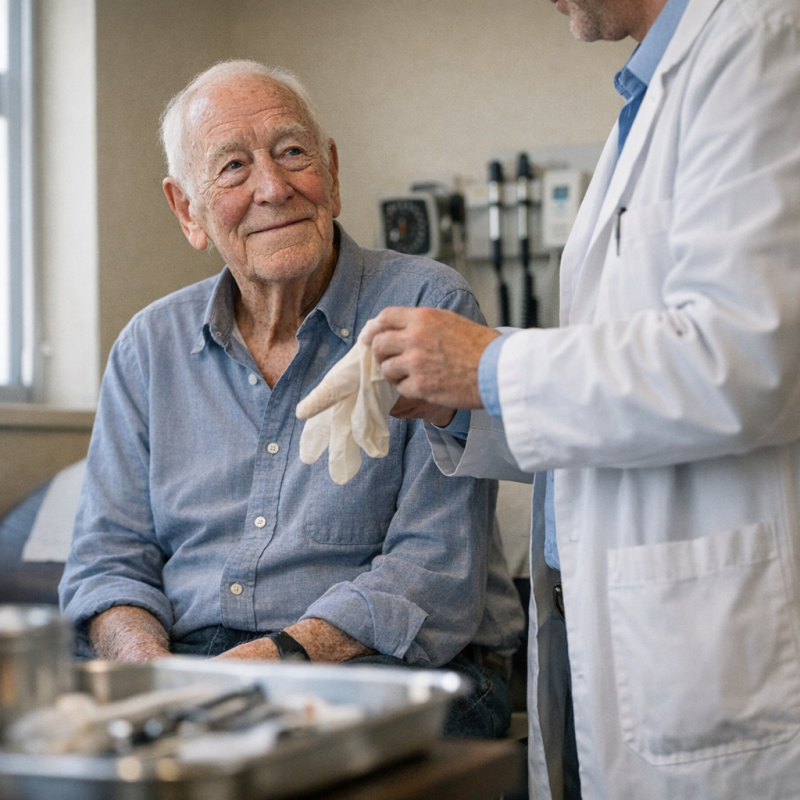 Image by FCT AI