Mark's Opinion
Everyone left except Mark. He poured us both coffee, and we sat in silence for a minute. 'You know what I think,' he finally said. 'Tell me.' 'I think you should fight.' He met my eyes. 'Not because it's smart or cheap or safe. Because it's right.' I wanted to argue, to point out the risks Sophia had outlined. But I didn't. 'She's betting you'll do the math and take the easy way out,' Mark continued. 'She's betting you're too scared or too practical to stand up. And maybe that's worked before. But you're not them.' His voice got quieter. 'You've already fought your way back from something that should have destroyed you. You rebuilt yourself and this place from nothing. You think I don't see that?' I felt something shift in my chest. 'It could cost everything.' 'It could,' he agreed. 'But paying her off costs something too. Just a different currency.' He stood up. 'Some things are worth more than money. That's all I'm saying.' Mark said some things were worth more than money, and I felt my resolve harden.
 Image by FCT AI
The Demand Letter
The courier arrived at four PM. Lisa was still there, which turned out to be lucky. The envelope was thick, formal. Inside was a demand letter on law firm letterhead. I read it twice before handing it to Lisa. 'Twenty thousand dollars,' I said. She scanned the document. 'Thirty days to respond. Standard language about avoiding costly litigation, protecting my reputation, blah blah.' She looked up. 'This is higher than her other settlements.' 'I noticed.' 'She's either getting bolder or she thinks you're a bigger target.' Lisa set the letter down. 'The amount tells me something though. She thinks she's got leverage. That your scars, your story, make this too risky for you to fight.' I thought about what Mark had said. About what James had said. About those two other restaurant owners who'd paid and moved on. Twenty thousand dollars would hurt, but it wouldn't destroy me. Fighting might. But Lisa was right about what the amount meant. The letter arrived by courier, and the amount—twenty thousand—told me she thought she had us cornered.
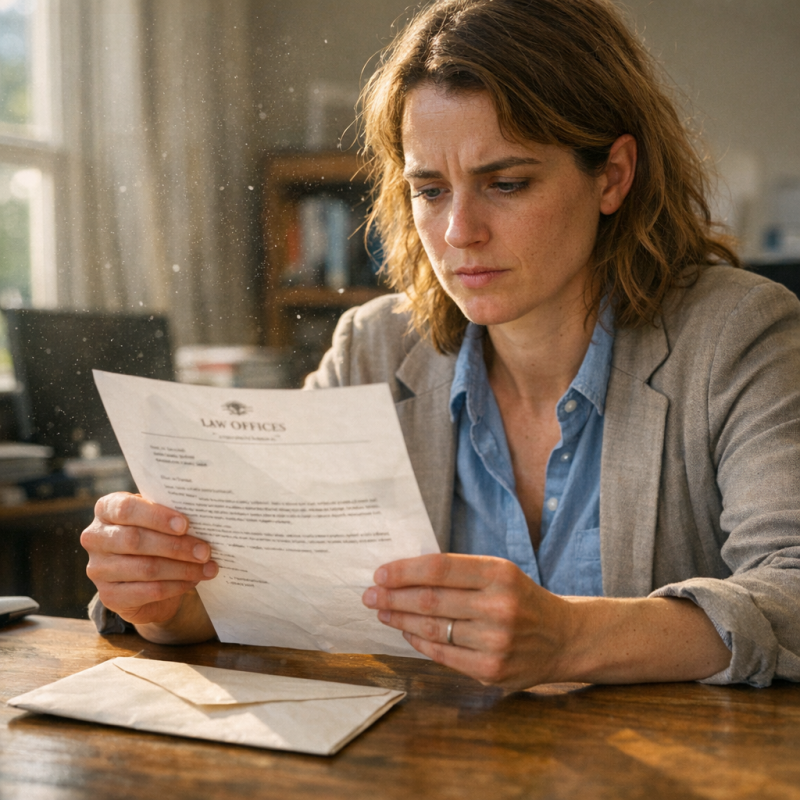 Image by FCT AI
Lisa's Investigation Continues
Lisa called me two days after the demand letter arrived. 'I want to hire a private investigator,' she said. 'Someone who specializes in civil misconduct cases.' I stood in my office, looking at the framed photo on my desk—the day we opened, everyone smiling. 'How much will that cost?' 'Less than twenty thousand dollars,' she said. 'And more importantly, if there's a pattern here, we need to know before we make any decisions.' I agreed. What choice did I have? She said she'd used this investigator before, that he was thorough and discreet. He'd look into Jenna's employment history, court records, any digital footprint she'd left. I asked how long it would take. 'A week, maybe two. He's good but he's careful.' I hung up feeling both relieved and exposed, like I'd just hired someone to go through my life as much as hers. Mark asked what Lisa had said, and I told him. He nodded, his jaw tight. 'Good. We need to know what we're dealing with.' Lisa said the investigator would need a week, and every day of waiting felt like a test of my patience.
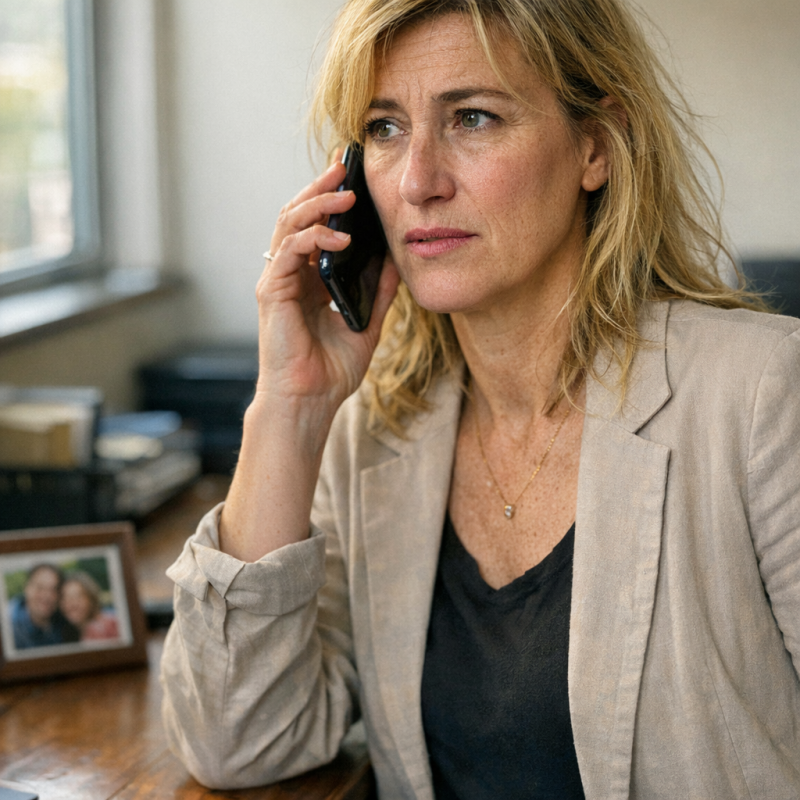 Image by FCT AI
Miguel's Memory
Miguel came to my office on day three of waiting. I hadn't seen him much since all this started—he'd been managing the kitchen while I dealt with lawyers and letters. 'Can I talk to you about something?' he asked. I gestured to the chair across from my desk. He sat down, rubbing the back of his neck. 'I've been thinking about when Jenna first started. She asked me a lot of questions that first week.' 'What kind of questions?' 'Normal stuff at first. How long I'd been here, what the culture was like. But then she asked who owned the place.' I felt something shift in my chest. 'What did you tell her?' 'I said you did. She seemed surprised, asked more questions about how long you'd owned it, whether you were involved in day-to-day operations.' Mark was standing in the doorway now, listening. 'Did she ask anything else?' 'She wanted to know if you were ever on the floor, if customers knew you owned it.' Miguel looked uncomfortable. 'I thought she was just curious, you know? Trying to understand the place.' Miguel said she'd seemed really interested in who owned the place, and a chill ran through me.
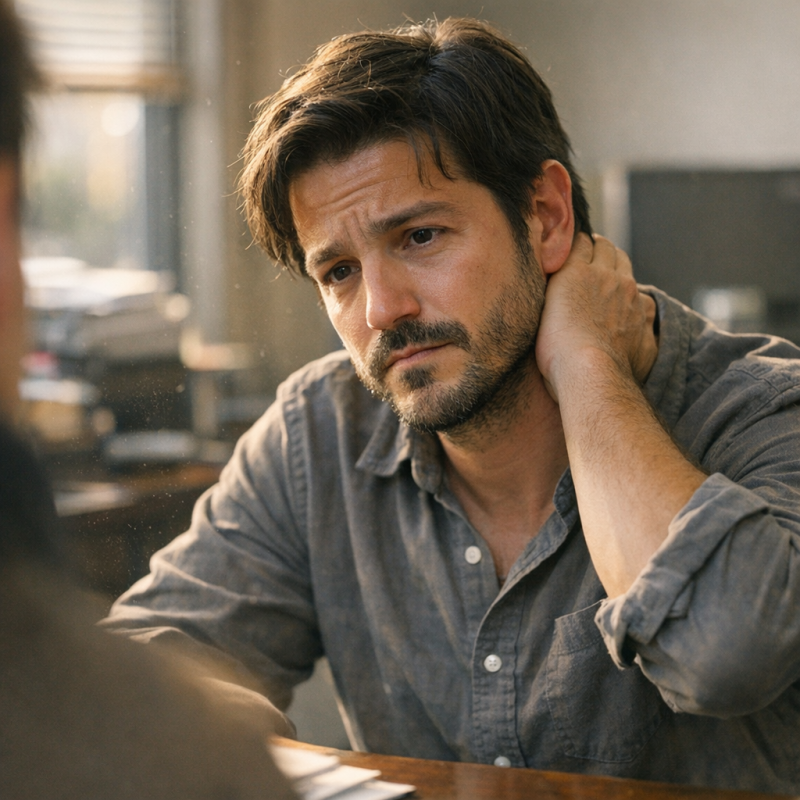 Image by FCT AI
Rachel's Recollection
Rachel showed up that afternoon. I hadn't asked her to come in—she wasn't scheduled—but she'd texted asking if we could talk. We sat in the dining room, empty between lunch and dinner service. 'Miguel told me what he remembered,' she said. 'And it made me think of something too.' I waited. She twisted her hands together, the way she did when she was anxious. 'When Jenna started, she asked me about our customer base. Like, demographics and stuff. I figured she wanted to know what to expect.' 'That's normal,' I said. 'Yeah, but then she asked specifically about customers with disabilities. Whether we got many, how we handled accommodations, if we'd ever had issues.' Mark leaned forward. 'What did you tell her?' 'That we were careful about accessibility, that you'd made it a priority when you designed the space. She asked why you cared so much.' Rachel looked at me. 'I didn't tell her about your scars. I wouldn't. But I said you took it seriously.' Rachel thought it was about accommodation policies, but now we both wondered if there was another reason.
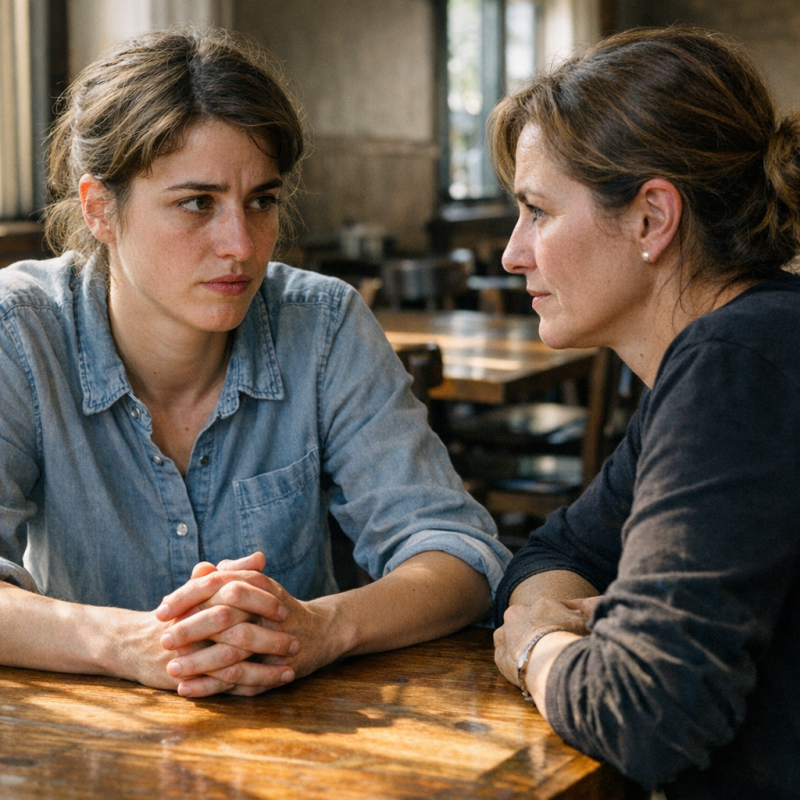 Image by FCT AI
The Video
Mark came into my office the next morning carrying his laptop. 'I went through the security footage from that night,' he said. 'All of it.' I'd forgotten about the cameras. We'd installed them two years ago after a break-in attempt, mostly focused on the register and entrance. 'And?' 'Watch this.' He turned the screen toward me. The footage was grainy but clear enough. I watched Jenna greet a couple at seven-fifteen, smiling broadly, laughing at something the man said. Two minutes later, a family with kids. Same warm smile, same attentive posture. Then the timestamp hit seven-forty. Me, walking in. I watched myself approach the host stand, and I watched Jenna's face. The transformation was instant. The smile didn't fade gradually—it vanished. Her shoulders shifted. Her whole body language changed. Lisa arrived while we were watching it for the third time. 'Can you send me that?' she asked Mark. 'Already done.' I couldn't stop staring at the screen. The footage showed her smiling at everyone else, and then her expression going cold the second she approached me.
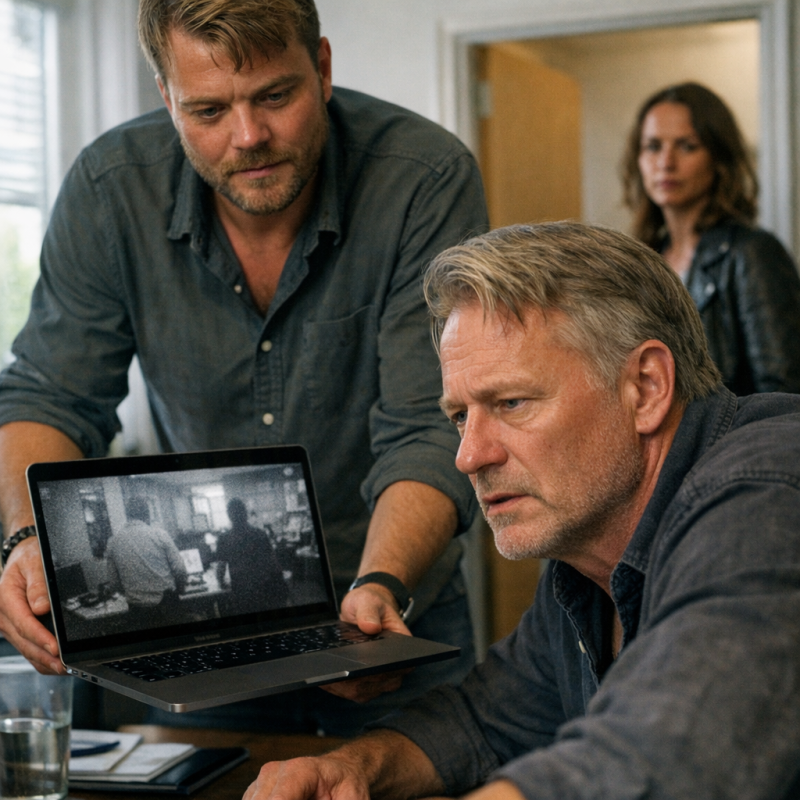 Image by FCT AI
The Investigator's Preliminary Report
The investigator's preliminary report arrived on day six. Lisa brought it to the restaurant herself, and we sat in my office with the door closed. 'You need to read this,' she said, sliding the folder across my desk. I opened it. The first page was a timeline. Jenna Mitchell had worked at eight different establishments over four years. Each job lasted between two and four months. Each one ended with either a settlement payment or a discrimination complaint filed and then withdrawn. The amounts ranged from eight thousand to twenty-five thousand dollars. The investigator had found three owners willing to talk off the record. Their stories were nearly identical to mine—Jenna would start strong, ask questions about ownership and policies, then create an incident and pursue legal action. Two had paid. One had fought and won, but it had cost him thirty thousand in legal fees and six months of stress. 'This is what she does,' Lisa said quietly. I read through the details twice, my hands shaking. Eight incidents, four years, and a pattern so clear it looked like a business model.
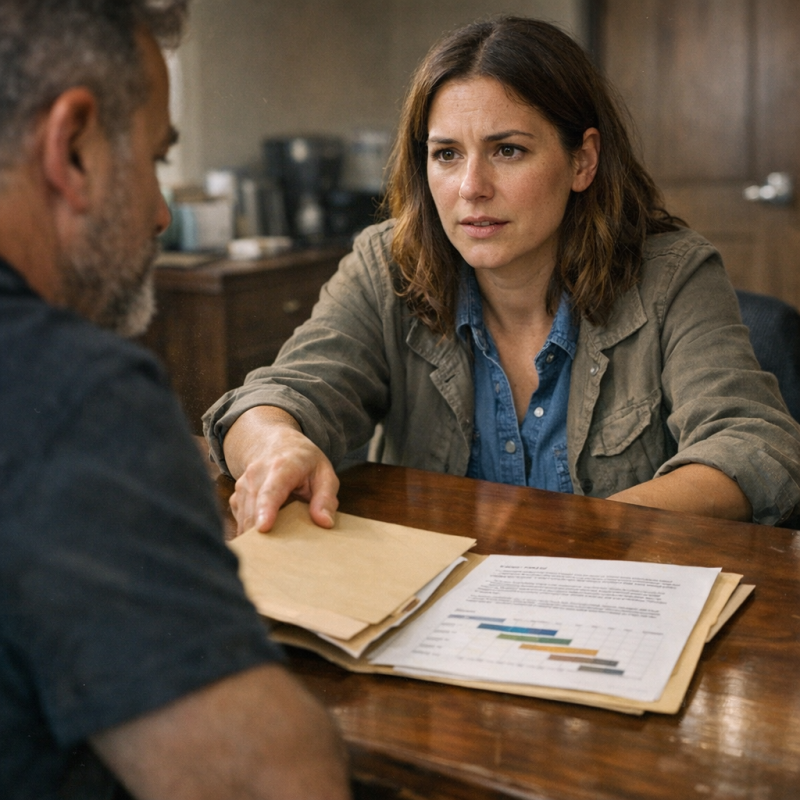 Image by FCT AI
Legal Strategy Session
We met the next evening after closing—me, Lisa, and Mark. Lisa spread documents across one of the dining tables: the demand letter, the investigator's report, the security footage screenshots, statements from Miguel and Rachel. 'Here's where we are,' she said. 'We have evidence of a pattern, video showing differential treatment, employee testimony about suspicious questions. It's strong.' 'Strong enough to win?' Mark asked. 'Strong enough to fight. Whether we win depends on a lot of factors—judge, jury if it goes that far, how her lawyer spins it.' Lisa looked at me. 'But here's what you need to understand. If we fight this publicly, your story becomes part of the record. The scars, the accident, why you care about accessibility—all of it. It'll be in court documents. Probably in the media.' I'd known this was coming, but hearing it stated so plainly made it real. 'And if we settle?' 'She goes away. You pay twenty thousand dollars and sign an NDA. And she does this to someone else in six months.' Lisa said we had enough to fight, but it would mean exposing everything—including my own story.
 Image by FCT AI
Going Public
I didn't sleep that night. I kept thinking about those other restaurant owners, the ones who'd paid. I understood why they had. Twenty thousand dollars to make a nightmare go away, to avoid months of legal battles and public exposure. It made sense. But I also thought about the next person she'd target. Someone who maybe couldn't afford to pay, or couldn't afford to fight. Someone whose scars were fresher than mine, whose recovery was more fragile. I thought about what she'd done—researching me, questioning my staff, manufacturing that entire interaction. The calculation of it. The harshness. By morning, I knew what I had to do. I called Lisa at eight AM. 'I want to fight,' I said. 'You're sure?' 'I'm sure. I want to refuse the settlement and go public if we have to. Whatever it takes.' Mark was in the kitchen when I told him. He just nodded, like he'd expected it. I told Lisa to refuse the settlement and prepare for court—whatever it took to stop her from doing this again.
 Image by FCT AI
The Pattern Revealed
The investigator's full report arrived three days later. It was forty pages long. Lisa and I went through it together, and with each page, the scope of what Jenna had built became clearer. She researched potential employers before applying, looking for owners with visible disabilities or histories that suggested vulnerability. She asked carefully crafted questions during her employment to confirm ownership structures and gauge how much fighting back would cost them. She studied disability law and discrimination case precedents. Then she'd create incidents—always in ways that were difficult to disprove, always with just enough ambiguity to make litigation risky. The demand letters came from the same law firm each time, suggesting they knew exactly what she was doing. Settlements were structured to include NDAs, preventing any public pattern from emerging. The report included spreadsheets, timelines, copied social media posts where she'd researched her targets. It was methodical. Professional. Sociopathic. The report laid it all out—she researched owners, identified vulnerabilities, manufactured incidents with legal precision, and collected settlements like paychecks—and I realized she'd chosen me the moment she learned I owned the place.
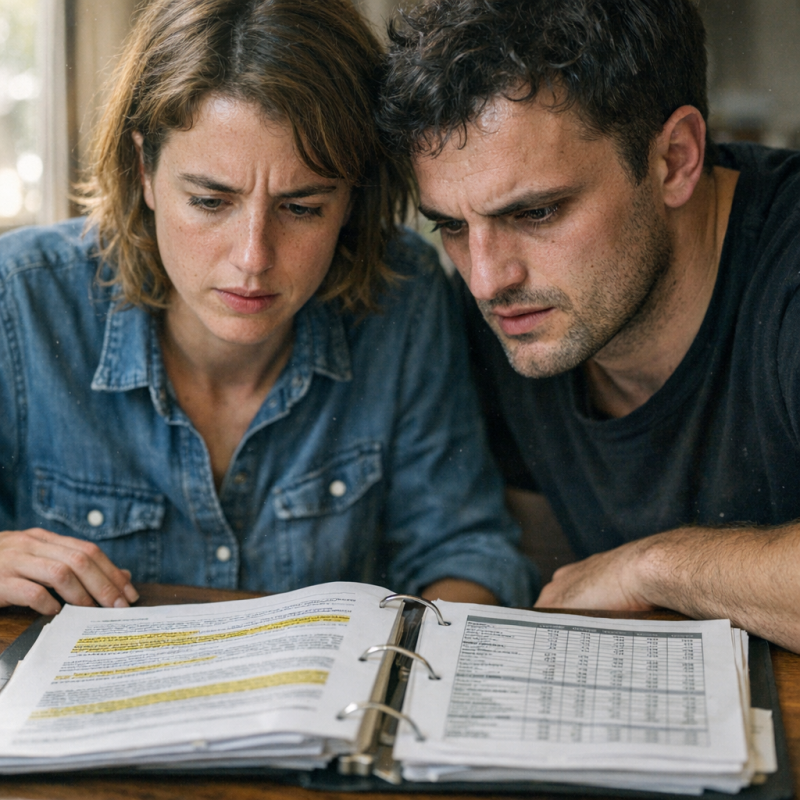 Image by FCT AI
The Targets
The section on target selection was chilling. The investigator had analyzed all seven cases and found the pattern. Jenna looked for owners with visible disabilities or disfigurements—people who'd already faced discrimination and would be sympathetic in court. People who understood vulnerability. People who wouldn't want more public scrutiny or attention drawn to their appearance. The report included screenshots of her social media searches, queries about disability law, forum posts where she'd researched how courts treated discrimination claims involving disabled plaintiffs. She'd literally studied which victims would be least likely to fight back and most likely to settle quietly. I fit every criterion perfectly. Restaurant owner. Visible scarring. History of trauma that made me avoid confrontation. She'd probably known within days of applying that I was exactly what she was looking for. Lisa's hand found mine as we read. 'She targeted you specifically,' she said quietly. 'From the beginning.' I nodded, feeling something sharp and cold settle in my chest. She'd chosen her victims carefully—people like me who'd already survived discrimination and wouldn't want more public scrutiny.
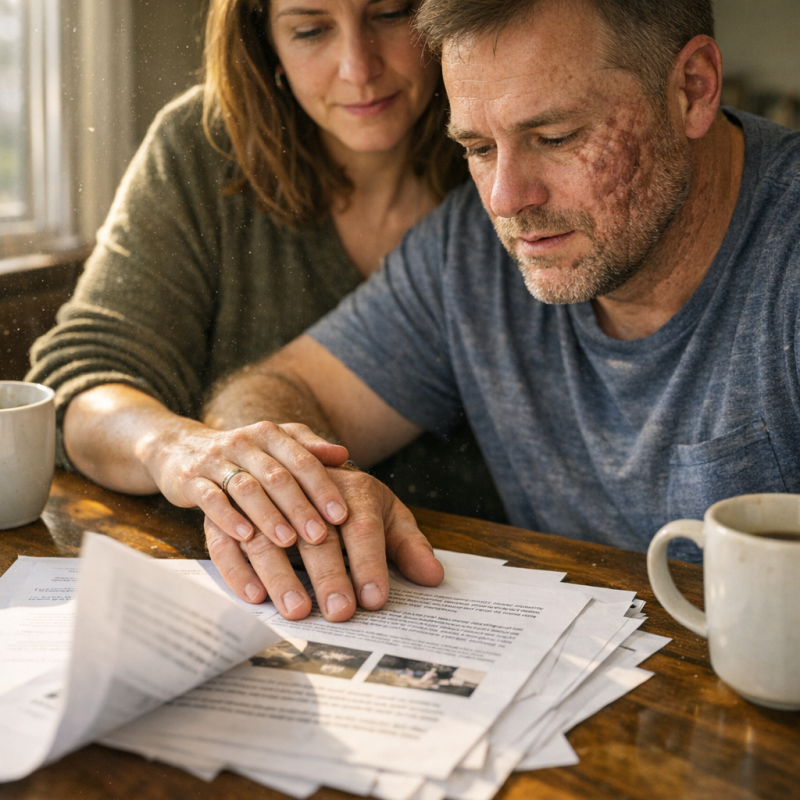 Image by FCT AI
The Documentation
The documentation system was what really got me. The investigator found evidence that Jenna had been recording interactions, taking photos, keeping detailed notes—all before the incident even happened. She had a template on her computer for organizing evidence. File folders labeled with dates and employer names. Audio recordings from her phone, carefully edited and backed up to cloud storage. In my case, she'd photographed the dining room layout, recorded snippets of staff conversations, documented every shift she worked. She'd even taken photos of me from across the restaurant, candid shots that made my skin crawl when I saw them in the report. Mark came by while Lisa and I were going through this section. 'Jesus,' he said, looking over my shoulder. 'She was building the case before she even refused you service.' That's exactly what she'd done. Every smile, every 'yes, chef,' every competent shift—all of it was just preparation. She'd been planning to discriminate against me from day one, meticulously creating the documentation she'd need for the lawsuit. She kept notes, recordings, even photos—building her case before she'd even refused service.
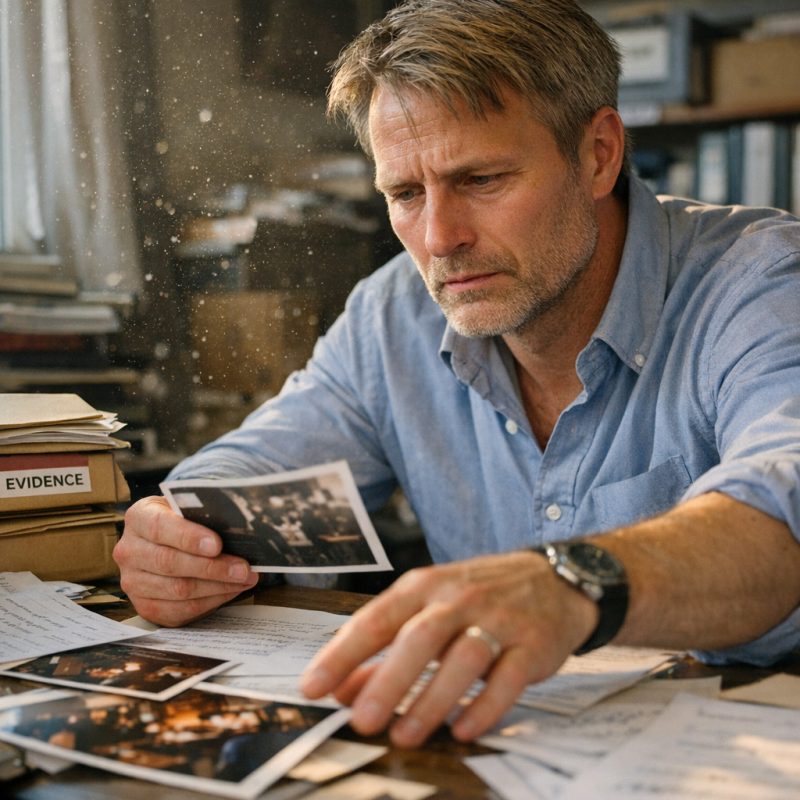 Image by FCT AI
The Counterclaim
Lisa came to the restaurant with papers that looked different from everything we'd filed before. 'Counterclaim,' she said, setting them on my desk. 'Financial manipulation, extortion, intentional infliction of emotional distress, and violation of civil rights laws.' I read through it slowly. It was aggressive. It named everything Jenna had done, cited the investigator's findings, demanded damages not just for my losses but for the deliberate nature of her scheme. It felt like finally being able to hit back after months of just defending myself. 'This changes the dynamic,' Lisa explained. 'She's been the plaintiff, the victim, the one with the righteous cause. Now she's a defendant. She has to answer for what she did.' I signed where Lisa indicated, my hand steadier than it had been in weeks. 'When does this get filed?' 'Today,' Lisa said. 'I'm walking it to the courthouse this afternoon.' I watched her gather the papers, feeling something shift in my chest. For months I'd felt like prey. Now we had teeth. Lisa filed the counterclaim, and for the first time since this started, I felt like we were the ones on offense.
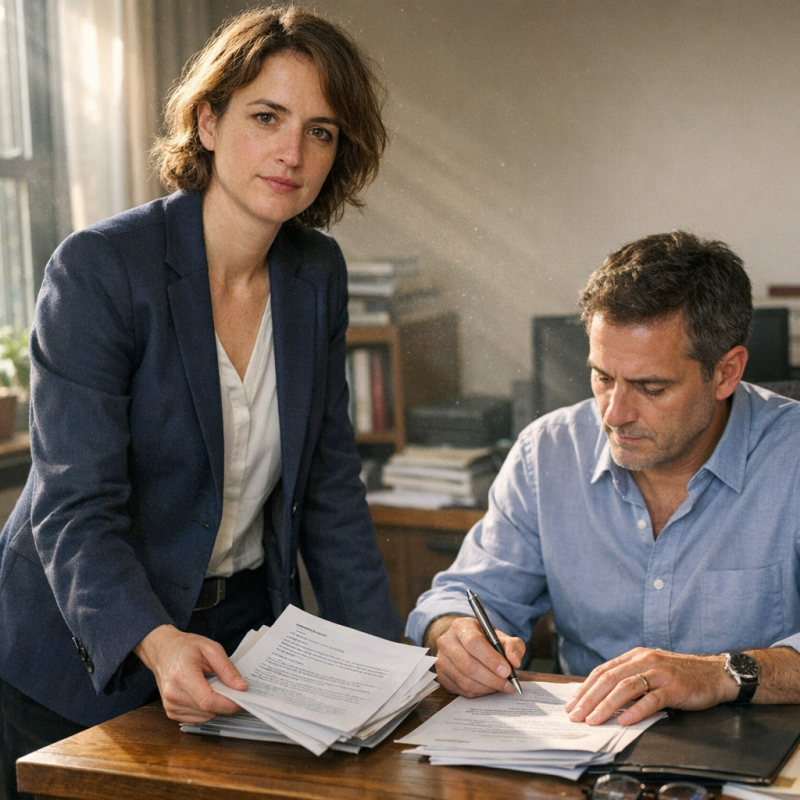 Image by FCT AI
Jenna's Response
Jenna's attorney responded within forty-eight hours, and the tone had changed completely. The letter wasn't conciliatory anymore. It expanded the discrimination claims, to add emotional distress and punitive damages. And then, buried in the second page, the real pressure point: they'd take the story to the media. They'd make sure everyone knew about my scars, my trauma, the fire that had changed my life. They'd paint me as someone who'd overcome tragedy only to become a discriminator myself. The narrative would be compelling, the attorney wrote. A survivor turned villain. Public interest would be significant. I sat in Lisa's office reading it, feeling sick. 'They're bluffing,' Lisa said, but her voice was careful. 'Maybe. But if they're not?' I thought about reporters, cameras, my face on the news. Strangers dissecting my worst day, my recovery, my choices. The privacy I'd built so carefully, shattered. 'We need to decide,' Lisa said gently. 'Do we back down, or do we get ahead of it?' Her attorney said they'd go to the media with my story, and I had to decide if I was ready for that.
 Image by FCT AI
Alex's Statement
I spent two days writing it. Lisa offered to have her PR contact draft something, but this needed to be mine. My words, my truth, my terms. I wrote about the fire, but only what I chose to share. I wrote about building the restaurant, about why it mattered to me. I wrote about Jenna's scheme without anger, just facts and evidence. I wrote about why I was fighting back—not just for myself, but for every business owner who'd been targeted like this. Mark read the draft and nodded. 'It's good. It's you.' Lisa made a few legal tweaks, nothing that changed the voice. We scheduled the press release for the next morning, coordinated with a local reporter Lisa trusted to break it fairly. The night before it went live, I barely slept. I kept thinking about losing control of my own narrative, about becoming a public story instead of a private person. But I'd already lost that choice when Jenna filed her lawsuit. At least this way, I got to tell it first. I wrote the statement myself, telling my story on my terms, and scheduled the press release for morning.
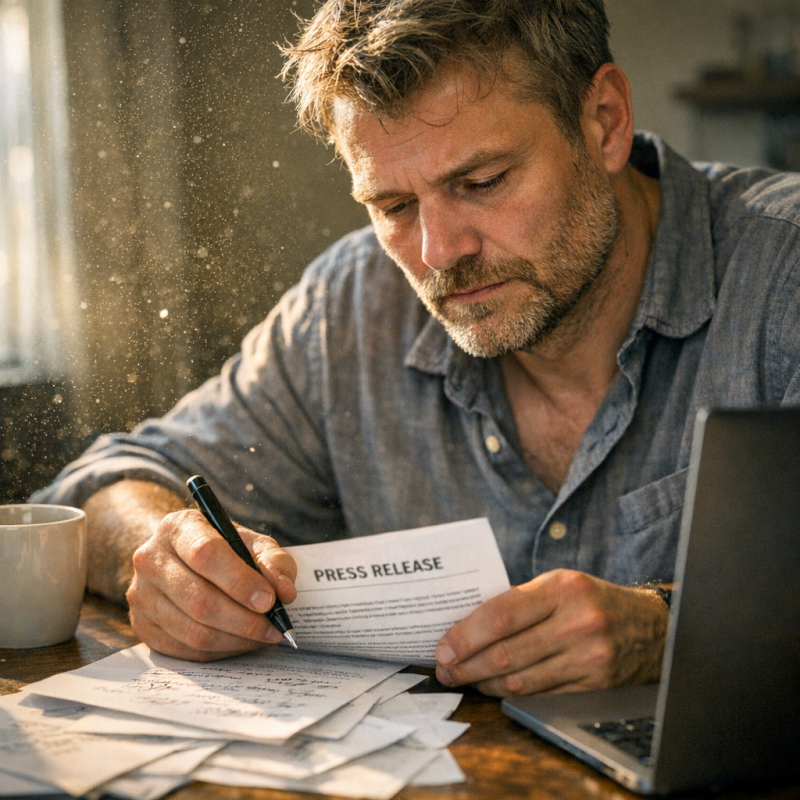 Image by FCT AI
Media Coverage
The story went live at six a.m. By eight, it was trending locally. By noon, three news outlets had picked it up. The response wasn't what I'd feared. People weren't dissecting my scars or questioning my character. They were angry—at Jenna, at the system she'd exploited, at the way she'd weaponized civil rights laws meant to protect people. The restaurant's phone started ringing. Customers calling to say they'd be back, they'd been waiting to know the truth. Strangers sending messages of support. Mark showed me the social media posts, hundreds of comments from people who'd experienced similar things or knew someone who had. And then, around two p.m., Lisa called. 'Alex, I need you to sit down.' Her voice was strange, excited and serious at once. 'I've gotten four calls in the past hour. Restaurant owners. Different cities. They all have the same story.' My heart stopped. 'Jenna?' 'Or someone working the exact same scheme. They saw your statement. They want to talk.' The story went live, and within hours, other victims started coming forward.
 Image by FCT AI
The Other Victims
By the end of the week, there were five of them. David, who ran a bakery two hours north and had settled with Jenna for fifteen thousand. James, from the bar downtown—I'd known him casually for years and had no idea. Three others from neighboring states, all with eerily similar experiences. Lisa organized a conference call. Listening to them tell their stories was like hearing my own on repeat. The careful employment period, the manufactured incident, the discrimination claim, the settlement demand. David had visible tremors from Parkinson's. James used a cane from a childhood injury. All of us had something that marked us, something Jenna had researched and exploited. 'I thought I was the only one,' James said quietly. 'I thought I'd done something wrong.' We all had. That's what her NDAs had accomplished—keeping us isolated, ashamed, silent. But not anymore. We compared notes, shared evidence, realized the scope of what she'd built. Mark sat with me during the call, watching my face. Afterward, he just shook his head. 'You found each other.' Five more owners, five more stories, and suddenly we weren't alone anymore.
 Image by FCT AI
Class Action
Lisa called an in-person meeting at her office. All five of the other owners came, some driving hours to be there. We sat around her conference table looking at each other, this strange coalition bound by the same predator. Lisa laid out the option carefully. 'We can pursue individual cases, or we can file as a class. Class action means we combine resources, share evidence, present a unified front. It also means this becomes public in a much bigger way.' I looked around the table. David, James, the others. People I hadn't known existed a week ago. People who'd been carrying the same shame and anger I had. 'It's not just about the money anymore,' David said. 'It's about stopping her.' James nodded. 'And making sure other people know this pattern exists. That they're not crazy if it happens to them.' Lisa looked at me, and I realized everyone was waiting. This had started with my restaurant, my refusal to settle quietly. 'Let's do it,' I said. Lisa started making notes, already planning the filing. Lisa said we could file as a class, and I realized this had become bigger than my restaurant.
 Image by FCT AI
Jenna's Collapse
Lisa called me two weeks before the hearing with news I hadn't expected. 'Jenna's attorney withdrew from the case this morning,' she said, and I could hear the satisfaction in her voice. 'He cited irreconcilable differences, but between you and me, he saw the evidence from all six cases laid out together and realized there was no defending it.' I sat down at my desk, phone pressed to my ear. 'So what happens now?' 'She can try to find new representation, but no reputable attorney will touch this. The pattern is too clear, the documentation too thorough. She'll either have to defend herself or start negotiating.' I thought about the woman who'd stood in my restaurant demanding special treatment, who'd tried to destroy what I'd built because I wouldn't give her what she wanted. The woman who'd done the same thing to five other people. 'When will we know?' 'Soon,' Lisa said. 'People like this, when they lose control of the narrative, they usually crack pretty fast.' She was right. Three days later, Jenna's attorney formally withdrew, and the case file showed she'd be representing herself. Her attorney dropped her, and the woman who'd seemed so confident now faced us all alone.
 Image by FCT AI
The Settlement Offer
The settlement offer came through Lisa's office on a Tuesday morning. I drove in with Mark to review it, both of us quiet in the car. Lisa spread the documents across her conference table, and I read through them twice to make sure I understood. Jenna would return every dollar she'd received from all six settlements—the full amounts, plus interest. She'd sign a legally binding agreement never to work in food service again, in any capacity. She'd submit to having her name added to an industry watchlist Lisa was helping establish. 'It's more than I expected,' I admitted. Lisa nodded. 'She's scared. The charges are still on the table, and her attorney made sure she understood that prison time was a real possibility.' Mark leaned back in his chair. 'Is it enough?' I looked at the numbers again. The money would cover my legal fees, the revenue I'd lost, the therapy bills. It would make me whole, financially. But I kept thinking about the others around that conference table, about the pattern that had gone unchallenged for who knows how long. She offered everything back, but money was never really what this was about.
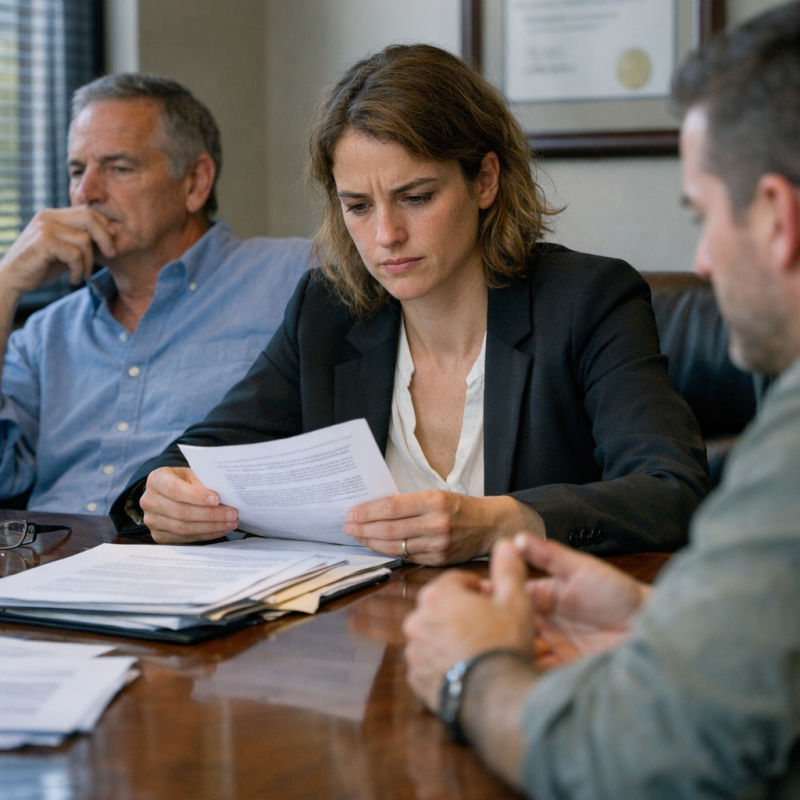 Image by FCT AI
Justice and Mercy
We held another meeting with all six victims before responding to Jenna's offer. Lisa's conference room felt different this time—less desperate, more purposeful. David spoke first. 'I don't need the money as much as I need to know she can't do this again.' James agreed. 'The industry ban is good, but how do we make sure it sticks? How do we warn other people?' I'd been thinking about this for days. 'What if we require a public statement? Not just a legal document buried in court filings, but an actual admission of what she did and why it was wrong.' Lisa made a note. 'We can include that as a condition. A detailed public acknowledgment posted to social media and sent to industry publications.' One by one, everyone nodded. We weren't interested in destroying her completely, but we needed accountability that meant something. We needed other potential victims to be able to find this information, to know the pattern existed. 'The charges get dropped if she complies with everything,' Lisa said. 'Full restitution, the ban, and the public statement.' I looked around the table at these people who'd become unexpected allies. We agreed to her terms with one addition—she'd have to publicly admit what she'd done.
 Image by FCT AI
Moving Forward
Six months later, the restaurant was fully booked on a Saturday night, and I stood in the kitchen watching Miguel plate a dish that would've made our old head chef proud. Carmen worked the floor with the same warmth she'd always had, but now she occasionally caught my eye with a knowing smile—we'd been through something together. Mark squeezed my shoulder as he passed, heading out to greet regulars at table six. The industry publication that covered our story had sparked conversations I still heard echoing. Other restaurants had started sharing their own experiences, building that network of awareness we'd hoped for. Jenna's public statement remained online, a cautionary tale that got referenced in restaurant management courses. The settlement money had gone to legal fees and staff bonuses, tangible proof that standing up had been worth it. I caught my reflection in the kitchen's polished steel—the scars visible above my chef's coat, same as always. But something had shifted in how I inhabited my own skin, how I moved through my own space. The scars on my neck haven't changed, but the way I carry them has—and now, when someone stares, I see it as a chance to tell a different kind of story.
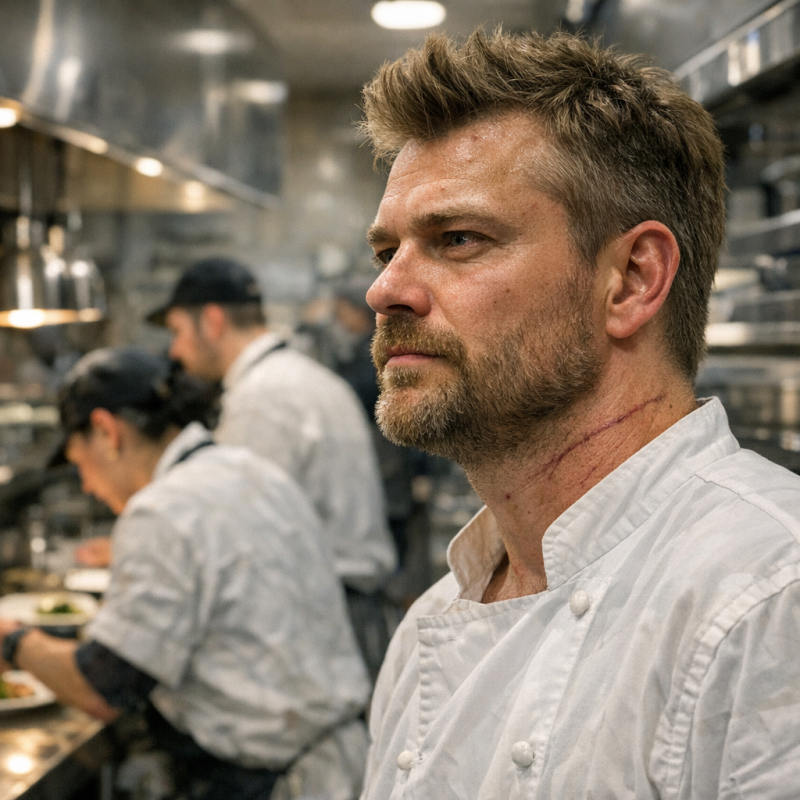 Image by FCT AI