The Court Hearing
The emergency custody hearing happened fast. Judge Patricia Hollis had reviewed all the evidence—the recordings, the financial records, Ethan's testimony, everything. The courtroom was small and airless. Melissa sat at the defense table in an orange jumpsuit, out on bail but required to attend. She looked composed, almost bored. Darren's attorney presented the case methodically: the coaching, the manipulation, the deliberate false accusations. Melissa's public defender tried to argue postpartum issues and marital stress, but Judge Hollis wasn't having it. 'Mrs. Chen,' the judge said, her voice sharp, 'you weaponized your children's trust. You taught your son to make false claims. You nearly destroyed an innocent man.' She adjusted her glasses. 'Full physical custody is awarded to the father. If you make bail on the charges, you may have supervised visitation only.' Melissa's jaw tightened, just for a second. When the judge said Melissa had 'weaponized her children's trust,' I saw Melissa's mask slip for just a moment—and what was underneath was terrifying.
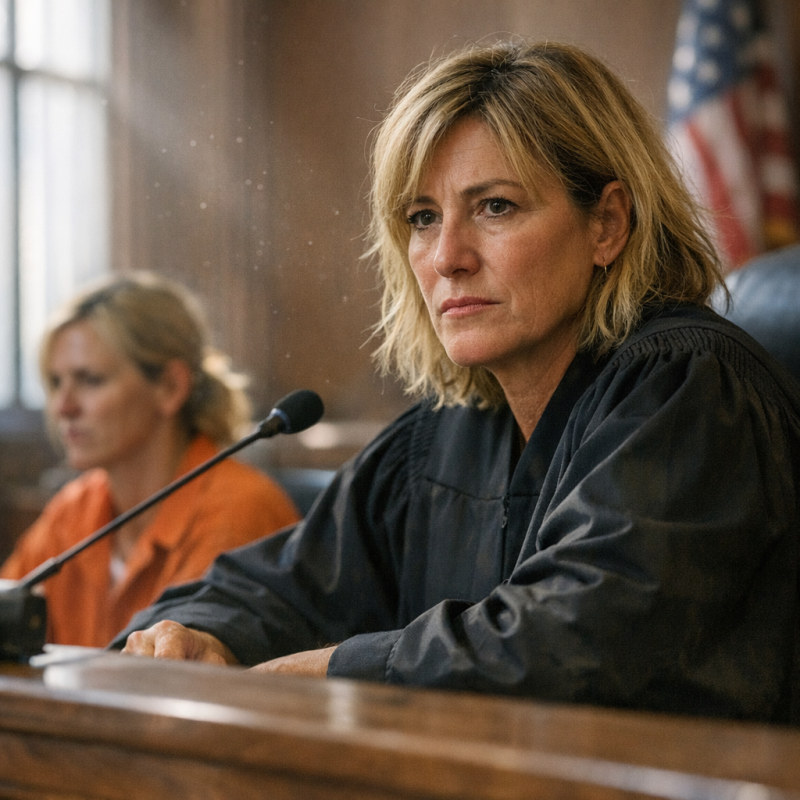 Image by FCT AI
The Media Storm
The story hit the local news first, then went viral. 'Grandmother's 9-1-1 Call Uncovers Fabricated Claims in Complex Child Welfare Case.' Within days, my phone wouldn't stop ringing. Reporters camped outside my house. Carol came over to help me manage it all, screening calls and keeping the curtains drawn. The story became a lightning rod—people arguing about false accusations, parental manipulation, whether the system worked or failed. My name was everywhere. Someone found my Facebook and started sharing my photos. The attention was suffocating. One persistent reporter caught me at the grocery store. 'Mrs. Weber, do you regret calling the authorities?' She shoved a microphone in my face. I froze, my cart half-full of things I didn't need. Did I regret it? If I hadn't called, Melissa might have succeeded. But if I had been less quick to believe, maybe I could have seen through it sooner. A reporter asked me, 'Do you regret calling the authorities?'—and I realized the answer was far more complicated than yes or no.
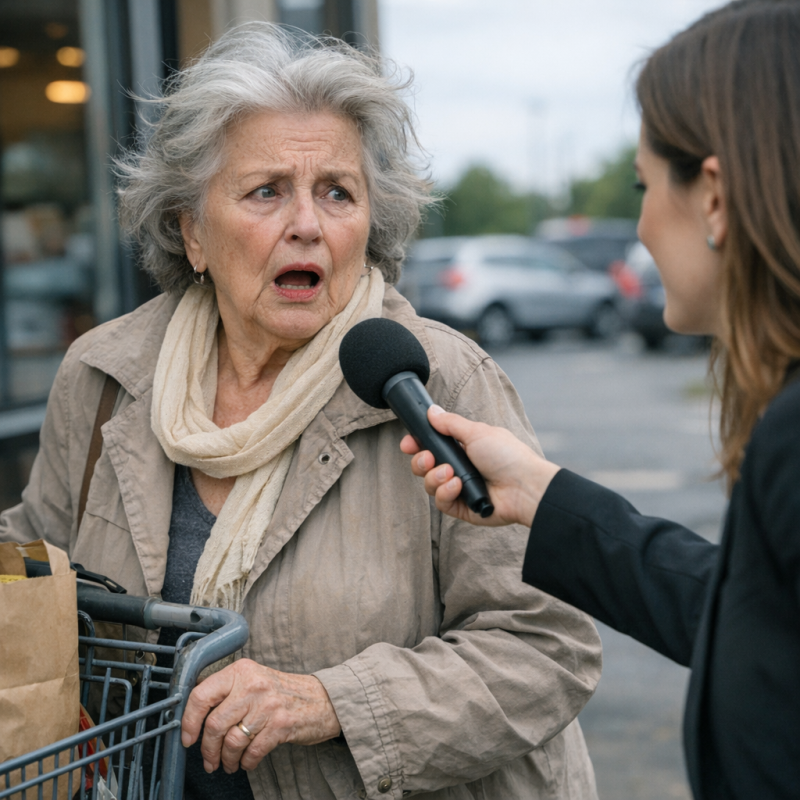 Image by FCT AI
Therapy for the Children
Darren enrolled both kids in therapy immediately. Dr. Lawson took them on as patients, seeing them twice a week. I met with her after their fourth session to understand what they were facing. 'The manipulation Ethan experienced is profound,' she explained, her tone clinical but kind. 'He was taught that lying to protect his mother was love. That's going to take significant time to unravel.' Lily was younger, less aware of what had happened, but she sensed the family's fracture. 'She's showing signs of anxiety. Separation fears.' Dr. Lawson folded her hands. 'Children are resilient, but this level of betrayal—from a parent they trusted—leaves deep scars. We're talking years of work.' I nodded, feeling the weight of it. Years. These babies would carry this for years. 'And Darren?' I asked. 'How does he help them trust again?' She smiled sadly. 'Consistency. Honesty. Time.' Dr. Lawson said it would take years for them to fully understand what their mother did—and I wondered if I'd ever fully understand it either.
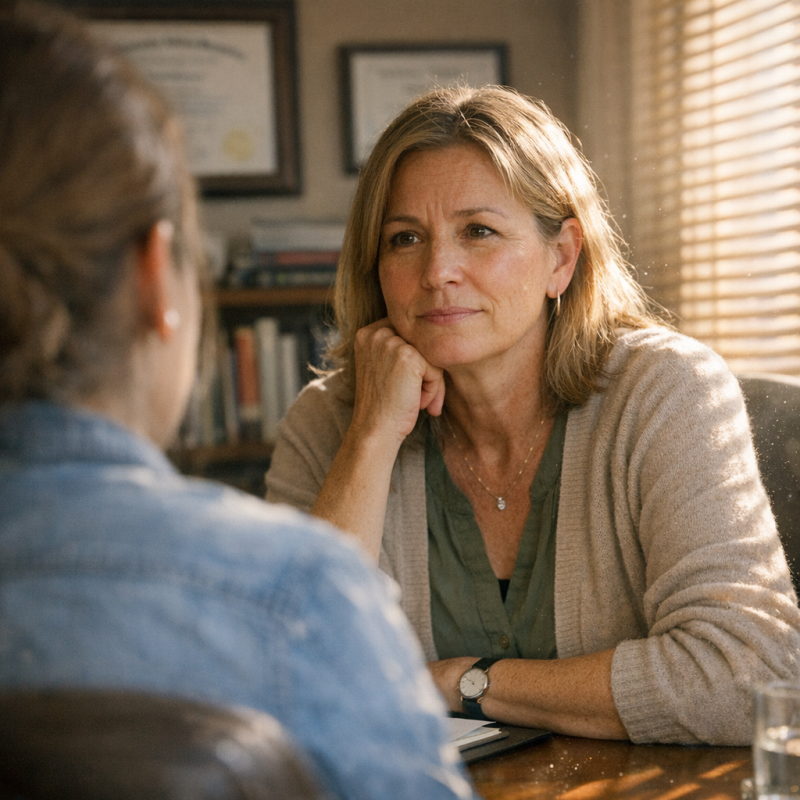 Image by FCT AI
Melissa's Trial Date
Detective Morrison called me six weeks after Melissa's arrest. 'The DA has set a trial date,' he said. 'April fifteenth. They're proceeding with all charges.' The prosecution's case was airtight—recordings, financial evidence, Ethan's testimony, the whole thing. They were seeking a sentence of five to eight years. Morrison paused. 'Margaret, they're going to need you to testify. You're the primary witness to the staged confrontation. Your testimony is crucial.' My stomach dropped. Testify. Against Melissa. Against my own daughter. 'I know this is difficult,' Morrison continued, 'but your account of what you saw, what you believed, and why you believed it—that establishes the deliberate deception.' I closed my eyes. I'd have to sit on that stand and explain how she fooled me. How she used my love for my grandchildren as a weapon. How she destroyed Darren's life with my help. I was asked to testify against my own daughter, and I knew that no matter how evil her actions were, doing so would break something inside me forever.
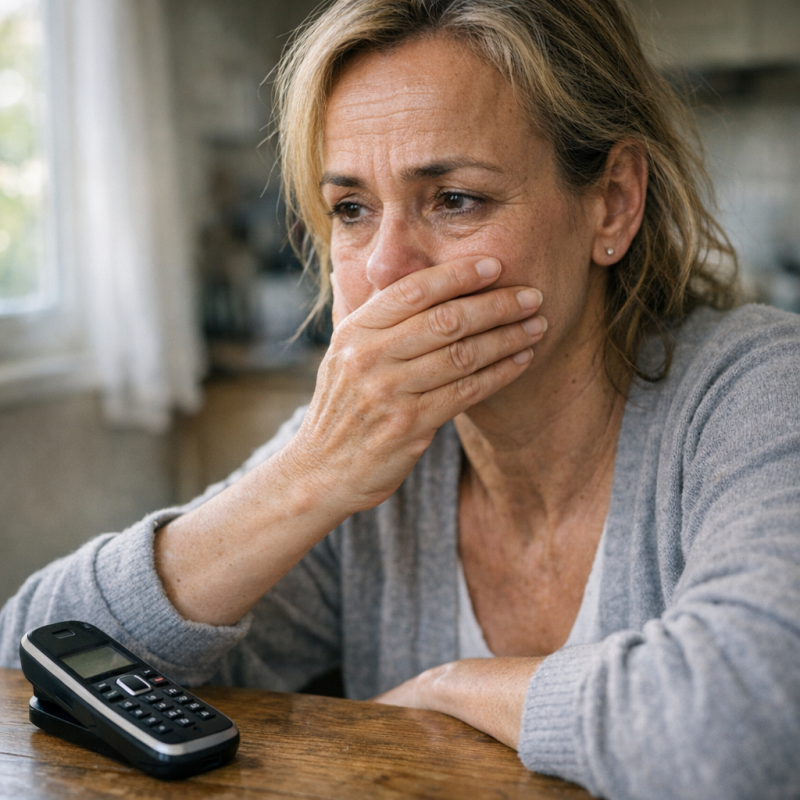 Image by FCT AI
Rachel's Support
Rachel arrived two days later with three suitcases and her no-nonsense attitude. 'You're not going through this alone,' she said, unpacking groceries I didn't remember needing. She set up in the guest room like she was planning a siege—organizing paperwork, screening my calls, sitting with me through the panic attacks that came without warning. One night, after I'd spent an hour crying about having to testify, she made tea and sat across from me at the kitchen table. 'You know what you did, right?' she asked quietly. I shook my head, exhausted. 'You believed a child. When it mattered most, you listened.' I tried to explain that I'd destroyed Darren's life, that I'd been fooled, that I'd been the weapon Melissa used. Rachel grabbed my hand. 'Mom, she would have found another weapon. That's what people like her do. But you?' Her eyes were fierce. 'You saved those kids from growing up thinking this was normal'—and for the first time, I let myself believe that maybe I'd done more good than harm.
 Image by FCT AI
Six Months Later
Six months later, life had found a strange new rhythm. Darren had partial custody now—every other weekend and Wednesday dinners. I joined them sometimes, watching him relearn how to be a father without walking on eggshells. Lily had stopped flinching when doors closed too loudly. She laughed more, talked more, asked questions about everything. Darren had them in therapy—a kind woman named Dr. Chen who specialized in family trauma. 'It's going to take time,' Darren told me one Wednesday, while Ethan helped Lily with homework at my kitchen table. 'But we're getting there.' I watched Ethan patiently explain fractions, saw how gentle he was with his sister. The hypervigilance was still there sometimes—he still watched adults too carefully, still analyzed tones and expressions. But there was something lighter in him now, something that hadn't been crushed completely. Ethan still had nightmares sometimes, but he'd started smiling again—real smiles, not the practiced ones his mother had taught him.
 Image by FCT AI
The Verdict
The trial lasted three weeks. I testified on day four, my hands shaking so badly Rachel had to help me to the stand. The defense attorney tried to paint me as easily manipulated, which wasn't wrong. The prosecutor showed the recordings, the financial records, Ethan's brave testimony via video. Melissa sat there in a gray suit, looking small and sad, playing the victim one last time. The jury deliberated for six hours. Carol held one hand, Rachel the other, as we waited in the hallway outside the courtroom. When they called us back in, my heart was pounding so hard I thought everyone could hear it. Guilty on all counts. Fraud, child endangerment, filing false reports. The judge sentenced her to seven years, eligible for parole in five. People around me seemed relieved—Rachel squeezed my shoulder, Carol whispered 'It's over.' But when they read the verdict, I didn't feel triumph or relief—just a deep, exhausting sadness for everyone involved.
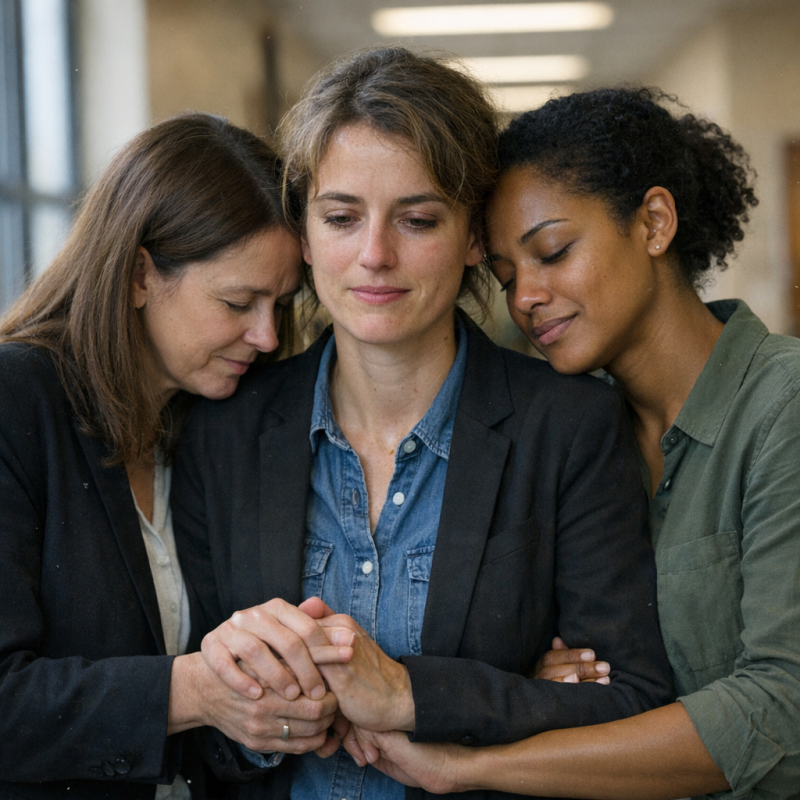 Image by FCT AI
The Dollar Bill in a Frame
The dollar bill sits in a small frame on my mantle now. People ask about it sometimes—why would I keep that thing? But it's important to remember. Not just what Melissa did, but how easily I believed her. How love can make you blind. How the people who seem most helpless can sometimes be the most dangerous. Ethan's careful handwriting is still visible: 'Help. Mom hurt Dad. Not safe.' Four sentences that changed everything. I think about all the signs I missed before that—the inconsistencies, the drama, the way Darren seemed to shrink around her. I think about how much I wanted to be the hero, the savior, the good grandmother. Melissa knew that about me. She weaponized it. But Ethan's courage was bigger than her manipulation. His truth was stronger than her lies. I look at that dollar bill every day and remember that sometimes protecting the people you love means questioning everything you think you know. That one-dollar bill taught me that sometimes the hardest thing about protecting the people you love is knowing who to protect them from.
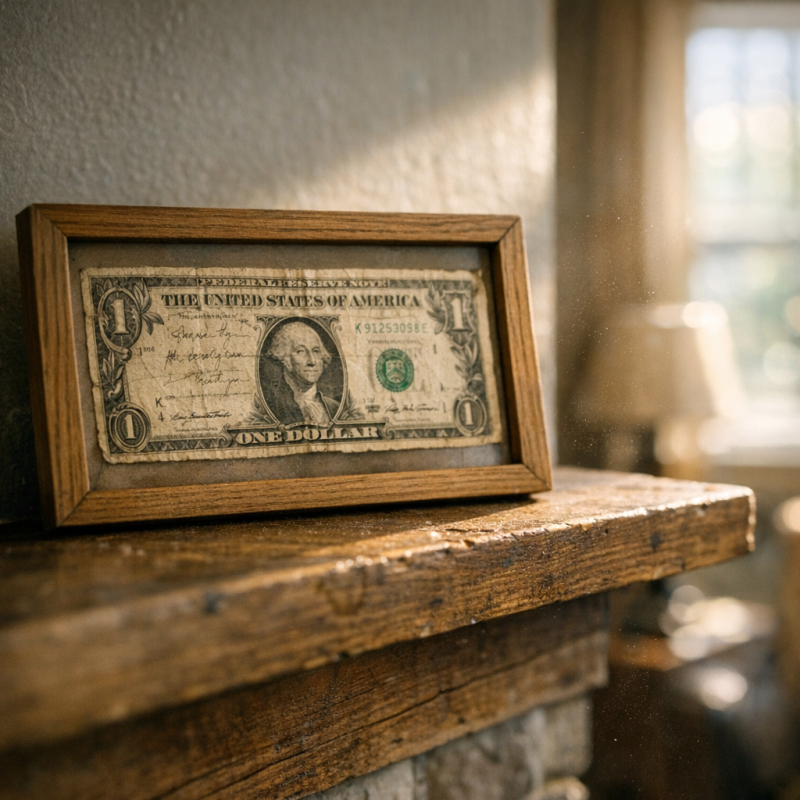 Image by FCT AI